 Pocket Botanist
Plant health
Pest, disease and disorder guides.
Guides to the problems that show up again and again: what they look like, what to do about them, and which plants get them.
Pests
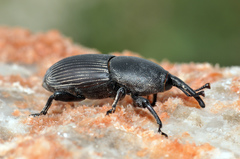 Agave Snout Weevil
The agave snout weevil is a small beetle that lays eggs in the base of agave plants. Its larvae tunnel into the core of the plant, which often leads to total collapse and death.
- Alder Beetle
The Alder Beetle is a small, metallic insect that feeds on the foliage of alder trees. While these beetles rarely kill a healthy tree, their feeding can cause significant leaf damage that makes the canopy look thin and ragged.
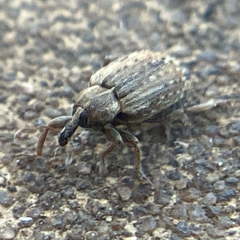 Alfalfa Weevil
The alfalfa weevil is a small beetle whose larvae feed voraciously on the foliage of alfalfa and related legumes. This feeding can lead to significant yield loss and stunted plant growth if the population is not managed.
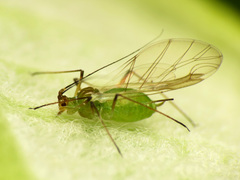 Aphids
Aphids are tiny, soft bodied insects that feed on plant sap by piercing tender tissues. Their feeding can cause stunted growth, leaf curling, and the spread of viral diseases between plants.
- Asparagus Beetle
The asparagus beetle is a small, colorful insect that feeds on the foliage and spears of asparagus plants. It matters because heavy infestations can defoliate the plant, weakening its ability to store energy for the following year.
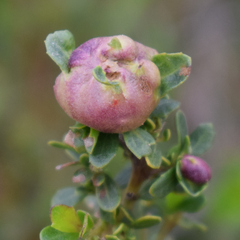 Baccharis Stem Gall
Baccharis stem gall is a condition caused by a tiny midge that lays eggs within the stems of coyote brush. These galls create noticeable, woody swellings that can disrupt the plant's natural growth patterns.
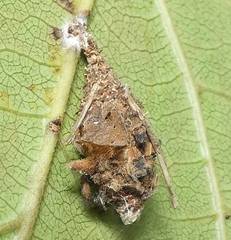 Bagworms
Bagworms are moth larvae that construct protective, spindle shaped cases out of silk and bits of foliage from their host plant. These pests can cause significant defoliation, which weakens the plant and can lead to branch dieback or death if the infestation is severe.
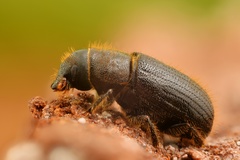 Bark Beetles
Bark beetles are small wood boring insects that tunnel beneath the bark of trees and shrubs. They are significant because their feeding galleries disrupt the flow of water and nutrients, which can lead to the rapid decline or death of the host plant.
- Beet Leafhopper
The beet leafhopper is a small, wedge shaped insect that feeds on the sap of various garden vegetables. It is most significant because it transmits curly top virus, which causes severe stunting and yellowing in susceptible plants.
- Bermudagrass Mite
The Bermudagrass mite is a microscopic pest that specifically targets Bermuda grass lawns. It causes significant damage by feeding on the grass blades, leading to stunted growth and thinning turf.
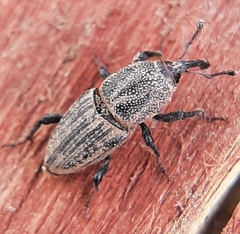 Billbugs
Billbugs are small weevils that cause damage primarily through their larvae, which tunnel into the stems and crowns of plants. This feeding activity disrupts the plant's ability to transport water and nutrients, often leading to stunted growth or death.
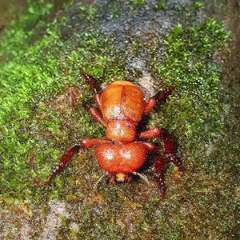 Blister Beetles
Blister beetles are soft bodied insects that feed in large swarms on the foliage and blossoms of various garden plants. Because they move in groups, they can strip a plant of its leaves and flowers in a very short amount of time.
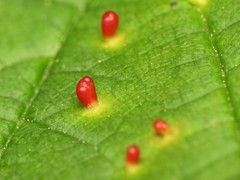 Blister Mite
Blister mites are microscopic pests that feed inside leaf tissue, causing the plant to form protective galls. While these growths look alarming, they are usually a cosmetic issue that rarely threatens the overall health of the plant.
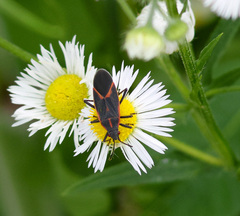 Boxelder Bug
The boxelder bug is a common insect that feeds on the sap of boxelder trees and certain other maples. While they are a nuisance in homes, they rarely cause significant damage to the health of the trees they inhabit.
- Bronze Birch Borer
The bronze birch borer is a wood boring beetle that lays its eggs in the bark of birch trees. It is a serious threat because the larvae tunnel through the inner bark, which cuts off the flow of water and nutrients and often kills the tree.
- Broom Gall Mite
Broom gall mite is a tiny pest that causes abnormal, dense growths on the stems of Scotch broom plants. These growths, known as galls, can weaken the plant and ruin its natural shape over time.
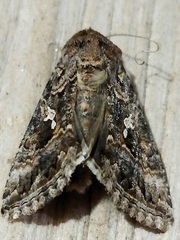 Cabbage Looper
The cabbage looper is a light green caterpillar that moves with a distinct looping motion. It is a voracious eater that can quickly skeletonize the leaves of your favorite brassicas and leafy greens.
- Cabbage White Butterfly
The Cabbage White Butterfly is a common garden pest whose larvae, known as cabbage worms, feed voraciously on brassica crops. If left alone, these caterpillars can quickly skeletonize leaves and ruin the harvest of your favorite greens.
- Canna Leaf Roller
The Canna Leaf Roller is a small moth larva that feeds on the foliage of canna lilies. It stitches leaves together with silk, which prevents them from unfurling and causes unsightly damage to the plant.
- Carrot Rust Fly
The carrot rust fly is a small insect whose larvae tunnel into the roots of carrots and related vegetables. This damage ruins the appearance and quality of the roots, often making them inedible.
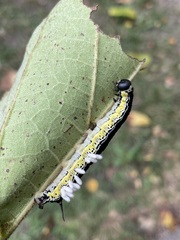 Catalpa Sphinx Moth
The Catalpa Sphinx Moth is a specialized caterpillar that feeds exclusively on the foliage of catalpa trees. While these caterpillars can strip a tree of its leaves, healthy trees usually recover fully by the following season.
- Caterpillars
Caterpillars are the larval stage of moths and butterflies that feed on plant foliage. They can quickly defoliate plants, which reduces the plant's ability to photosynthesize and thrive.
- Celery Leaf Miner
The celery leaf miner is a small fly larva that tunnels inside the leaves of celery and related plants. This feeding creates unsightly trails that can reduce the plant's ability to photosynthesize and weaken its overall growth.
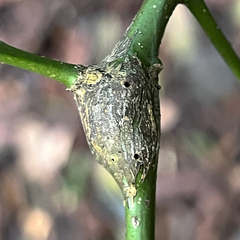 Citrus Gall Wasp
The citrus gall wasp is a small insect that lays its eggs inside the soft stems of citrus trees. These eggs cause the plant to grow woody, distorted lumps known as galls that can restrict sap flow and weaken the tree over time.
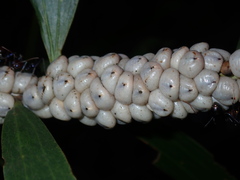 Citrus Scale
Citrus scale insects are tiny, sap sucking pests that hide under hard, protective shells attached to the surface of your citrus trees. They weaken the plant by draining its energy and can lead to secondary issues like sooty mold growth on the leaves.
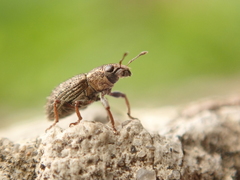 Clover Root Curculio
The clover root curculio is a small beetle whose larvae feed on the root systems of legumes like clover and alfalfa. This damage is significant because it compromises the plant's ability to take up water and nutrients, often leading to stunted growth or plant death.
- Coconut Mite
The coconut mite is a microscopic pest that feeds on the surface of young coconut fruit. This feeding causes significant scarring and deformation, which reduces the market value and overall quality of the harvest.
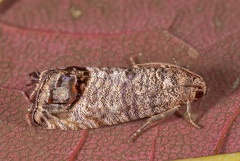 Codling Moth
The codling moth is a small insect whose larvae tunnel into the fruit of pome trees like apples, pears, and quince. This damage ruins the fruit quality and often causes it to drop prematurely, making it a major concern for home orchardists.
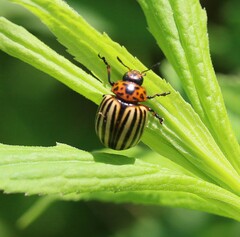 Colorado Potato Beetle
The Colorado potato beetle is a highly destructive insect that feeds voraciously on the foliage of potato plants and their relatives. If left unmanaged, these beetles can rapidly defoliate entire crops, leading to significant yield loss or total plant failure.
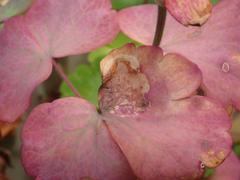 Columbine Leaf Miner
The Columbine Leaf Miner is a tiny fly larva that tunnels inside the foliage of columbine plants. While it rarely kills the plant, it creates unsightly white trails that can weaken the leaves and reduce the overall vigor of your garden display.
- Corn Earworm
The corn earworm is a moth larva that feeds primarily on the developing kernels of corn. It is a significant pest because it ruins the quality of the harvest and creates entry points for fungal infections.
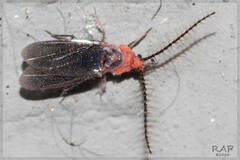 Cottony Cushion Scale
Cottony Cushion Scale is a sap sucking insect that produces a distinct, white, fluted egg sac that looks like a piece of cotton. These pests drain vital fluids from plants, which can lead to stunted growth and the development of unsightly sooty mold.
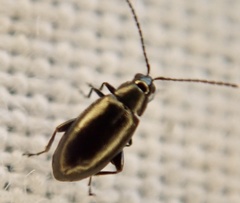 Crucifer Flea Beetle
The crucifer flea beetle is a tiny, jumping insect that feeds on the foliage of brassica family plants. These pests can quickly riddle leaves with small holes, which stunts growth and weakens young seedlings.
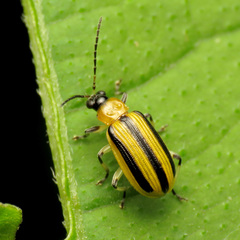 Cucumber Beetle
Cucumber beetles are small, yellow, striped or spotted insects that feed on the foliage and blossoms of cucurbit plants. They are significant pests because they cause direct damage to plant tissues and act as primary carriers for bacterial wilt, a disease that can quickly kill entire vines.
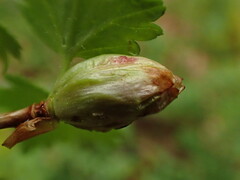 Currant Big Bud Mite
The Currant Big Bud Mite is a microscopic pest that dwells inside the developing buds of currant bushes. It causes these buds to swell into rounded, distorted shapes, which prevents them from opening and significantly reduces fruit production.
- Cutworms
Cutworms are the larvae of various night flying moths that hide in the soil during the day and feed on plants at night. They are notorious for chewing through the base of young stems, which can quickly topple and kill vulnerable seedlings.
- Cyclamen Mite
Cyclamen mites are microscopic pests that feed on the tender, developing tissues of plants. They cause significant distortion and stunted growth, which can ruin the appearance and health of your favorite plants.
- Deer
Deer are large mammals that browse on garden plants when natural food sources are scarce or when they find your landscape particularly tasty. Their feeding habits can quickly strip foliage and flowers, leaving plants stunted or completely destroyed.
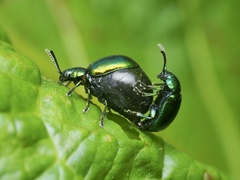 Dock Beetle
The dock beetle is a small, metallic insect that feeds primarily on the foliage of dock plants. While it can cause significant defoliation, it is generally considered a minor issue unless you are trying to manage dock weeds in a garden or pasture.
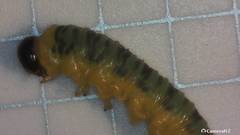 Dogwood Sawfly
The Dogwood Sawfly is a caterpillar like larva that feeds on the foliage of various dogwood species. While they rarely kill a healthy tree, they can quickly strip away enough leaves to leave your plant looking ragged and stressed.
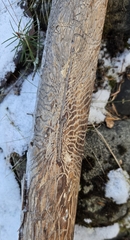 Douglas Fir Beetle
The Douglas Fir Beetle is a wood boring insect that targets stressed or damaged Douglas fir trees. It is a serious concern because large infestations can quickly kill otherwise healthy trees by girdling the trunk beneath the bark.
- Eastern Tent Caterpillar
The Eastern Tent Caterpillar is a moth larva that builds distinct, silken nests in the crotches of tree branches. These caterpillars can cause significant defoliation, which stresses trees and leaves them vulnerable to secondary health issues.
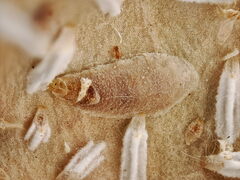 Euonymus Scale
Euonymus scale is a sap sucking insect that forms protective, shell like covers on the surfaces of host plants. Left untreated, these pests can drain the plant of vital nutrients, leading to yellowing leaves, stunted growth, and eventually the death of branches or the entire plant.
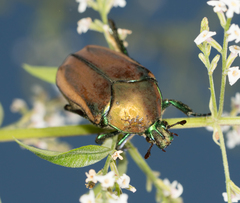 Fig Beetle
The Fig Beetle is a large, metallic green insect that feeds on ripening fruit, particularly figs and peaches. Its presence is significant because it can quickly ruin an entire harvest by consuming or damaging the soft flesh of the fruit.
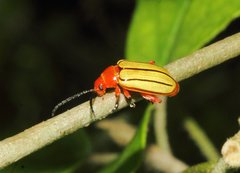 Flea Beetles
Flea beetles are tiny, jumping insects that chew small, round holes in the foliage of young plants. They can quickly stunt growth or kill vulnerable seedlings by destroying the leaf tissue needed for photosynthesis.
- Foliar Nematodes
Foliar nematodes are microscopic roundworms that live inside plant tissues, feeding on cells and causing unsightly damage. They are significant because they can quickly ruin the appearance of ornamental plants and weaken them over time.
- Fruit Borer
Fruit borer is a moth larva that tunnels directly into developing fruit to feed on the interior flesh. This damage often leads to premature fruit drop and makes the remaining harvest inedible.
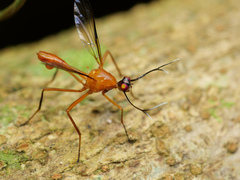 Fruit Fly
Fruit flies are small insects that lay their eggs inside ripening or damaged fruit. Their larvae feed on the interior flesh, which causes the fruit to rot prematurely and become inedible.
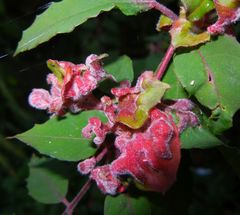 Fuchsia Gall Mite
Fuchsia gall mite is a microscopic pest that feeds on the soft tissue of fuchsia plants, causing severe distortion and stunted growth. It is a serious concern because it can quickly ruin the appearance of your plants and, if left untreated, often leads to the decline of the entire specimen.
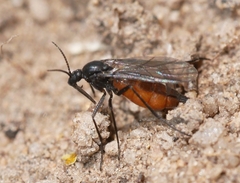 Fungus Gnats
Fungus gnats are tiny, dark flies that spend their larval stage living in moist soil. While the adults are mostly a nuisance, the larvae feed on organic matter and can damage delicate plant roots, potentially stunting growth.
 Gall Wasps
Gall wasps are tiny insects that cause plants to grow abnormal, tumor like structures called galls. While these growths often look alarming, they rarely cause significant harm to the overall health of established trees.
- Gorse Spider Mite
The gorse spider mite is a tiny arachnid that feeds on the foliage of gorse plants. It matters because heavy infestations cause significant yellowing and needle drop, which weakens the plant over time.
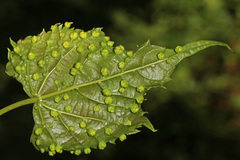 Grape Phylloxera
Grape Phylloxera is a microscopic aphid like insect that feeds on the roots and leaves of grapevines. It is a serious threat because root feeding causes decay and vine decline, which can eventually kill susceptible plants.
- Guava Fruit Fly
The Guava Fruit Fly is a small insect that lays its eggs inside developing fruit. This process causes the fruit to rot from the inside out, making it inedible and often leading to premature fruit drop.
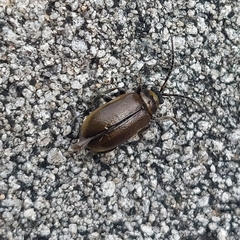 Heather Beetle
The heather beetle is a small insect that feeds on the foliage of heather plants. It matters because heavy infestations can strip a plant of its leaves, leaving it brown and potentially unable to recover.
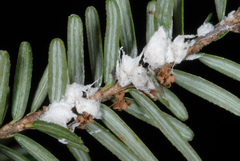 Hemlock Woolly Adelgid
The Hemlock Woolly Adelgid is a tiny aphid like insect that feeds on the sap of hemlock trees. It is a serious threat because it causes needle drop and branch dieback, which can eventually kill the entire tree.
- Horse Chestnut Leaf Miner
The horse chestnut leaf miner is a tiny moth whose larvae tunnel inside the leaves of horse chestnut trees. While it rarely kills a healthy tree, it causes significant browning and premature leaf drop that can make the tree look quite sickly by late summer.
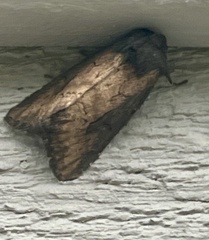 Iris Borer
The iris borer is the larval stage of a moth that tunnels into the foliage and rhizomes of iris plants. It is a serious pest because the feeding damage often leads to secondary bacterial rot, which can destroy the entire plant.
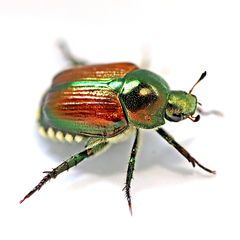 Japanese Beetles
Japanese beetles are metallic green and copper colored insects that feed on a wide variety of garden plants. They are significant because they feed in large groups, which can quickly strip foliage and ruin the appearance of your favorite flowers.
- Jujube Fruit Fly
The jujube fruit fly is a small insect that lays its eggs directly into developing jujube fruits. This infestation causes the fruit to rot from the inside out, making it inedible and causing significant crop loss.
- Juniper Scale
Juniper scale is a small, sap sucking insect that attaches itself to the foliage and stems of conifers like junipers and cypress. It matters because heavy infestations drain the plant of vital nutrients, leading to yellowing, stunted growth, and potential dieback.
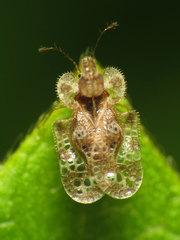 Lace Bug
Lace bugs are small, sap sucking insects that feed on the undersides of leaves, causing a stippled or bleached appearance. While they rarely kill a plant, heavy infestations can significantly weaken it and make it look quite unsightly.
 Larch Casebearer
The larch casebearer is a small moth whose larvae hollow out the needles of larch trees. This feeding causes the foliage to turn brown and wither, which can weaken the tree if the infestation is heavy.
- Leaf Miners
Leaf miners are the larvae of various insects that tunnel inside the soft tissue of leaves. While they rarely kill a plant, their feeding creates unsightly trails that can reduce the plant's ability to photosynthesize effectively.
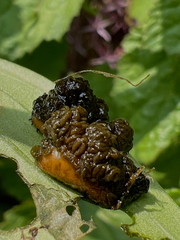 Lily Beetle
The Lily Beetle is a bright red insect that feeds voraciously on the foliage and flowers of lilies and fritillaries. If left untreated, these beetles and their larvae can quickly strip a plant of its leaves, leaving it weak and unable to bloom.
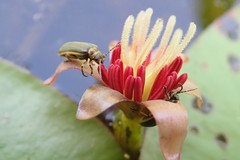 Loosestrife Beetle
The loosestrife beetle is a specialized insect that feeds primarily on purple loosestrife plants. It is significant because it can cause extensive defoliation, which helps manage the spread of this invasive plant in wetland areas.
- Lychee Erinose Mite
The Lychee Erinose Mite is a microscopic pest that causes abnormal, velvety growth on the foliage of lychee trees. This infestation can significantly reduce the tree's ability to photosynthesize, which weakens the plant and lowers fruit production.
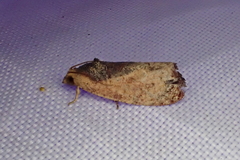 Macadamia Nut Borer
The Macadamia Nut Borer is a moth larva that feeds inside the developing nuts of macadamia trees. It is a significant pest because it destroys the kernel, rendering the nut inedible and causing premature fruit drop.
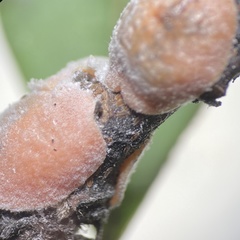 Magnolia Scale
Magnolia scale is a large, soft-bodied insect that attaches itself to the branches of magnolia trees to feed on sap. This infestation can severely weaken the tree and leads to the growth of unsightly black sooty mold on the leaves and branches.
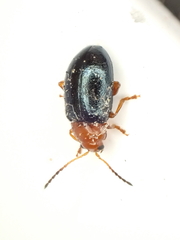 Mallow Flea Beetle
The mallow flea beetle is a small, jumping insect that feeds on the foliage of plants in the mallow family. While usually just a cosmetic issue, heavy feeding can weaken young or stressed plants by reducing their ability to photosynthesize.
- Mango Seed Weevil
The mango seed weevil is a small beetle that lays its eggs on developing mango fruit. It matters because the larvae tunnel through the pulp to reach the seed, often leaving the fruit looking fine from the outside while ruining the quality inside.
- Mangosteen Borer
The Mangosteen Borer is a moth larva that tunnels directly into the developing fruit of mangosteen trees. It is a significant pest because it ruins the edible interior, making the fruit unmarketable and inedible.
- Mealybugs
Mealybugs are small, soft bodied insects that feed on plant sap by piercing the surface of leaves and stems. They can weaken plants significantly and leave behind sticky residue that encourages mold growth.
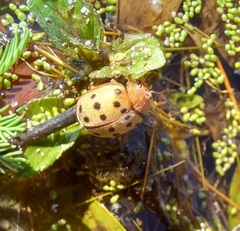 Mexican Bean Beetle
The Mexican bean beetle is a copper colored, spotted insect that feeds primarily on bean plants. It is a significant pest because both the adults and their spiny yellow larvae skeletonize leaves, which drastically reduces the plant's ability to produce a harvest.
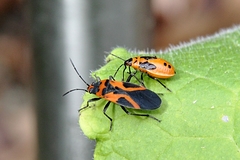 Milkweed Bugs
Milkweed bugs are small, orange and black insects that feed primarily on the seeds and sap of milkweed plants. While they are often considered a natural part of the garden ecosystem, large populations can damage developing seed pods and weaken the plant by draining its fluids.
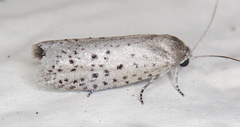 Mimosa Webworm
The Mimosa Webworm is a small moth larva that feeds on the foliage of honey locust and mimosa trees. These caterpillars spin silken webs that pull leaves together, causing significant browning and premature leaf drop.
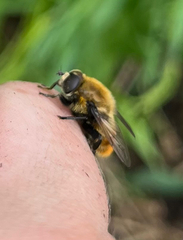 Narcissus Bulb Fly
The Narcissus Bulb Fly is a large, bee-like insect that lays its eggs near the base of bulbs. Its larvae burrow into the bulb to feed, which often destroys the center and kills the plant.
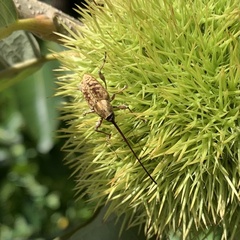 Nut Weevil
The nut weevil is a small beetle that lays its eggs inside developing nuts while they are still on the tree. This pest is significant because the larvae consume the kernel from the inside, often rendering the entire harvest inedible.
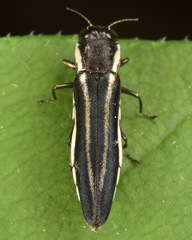 Oak Borer
The oak borer is a wood boring beetle that lays eggs in the bark of oak trees. Its larvae tunnel into the wood, which can severely compromise the structural integrity and health of the tree.
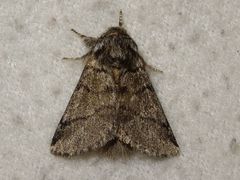 Oak Moth
The oak moth is a caterpillar that feeds on the foliage of oak trees. While healthy trees often survive, heavy infestations can leave a tree looking skeletonized and stressed.
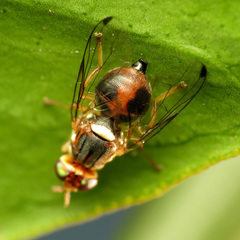 Olive Fruit Fly
The olive fruit fly is a small insect that lays its eggs directly inside developing olives. It is the most significant pest for olive trees because the larvae feed on the fruit pulp, causing it to rot and ruining the harvest.
- Onion Fly
The onion fly is a small insect whose larvae, known as onion maggots, burrow into the base of allium crops. This feeding causes the plants to wilt and rot, which can lead to significant crop loss if left unmanaged.
- Onion Thrips
Onion thrips are tiny, slender insects that feed by rasping the surface of plant tissues to suck out the sap. This feeding causes significant damage to foliage, which can stunt growth and reduce the quality of bulb crops like onions and garlic.
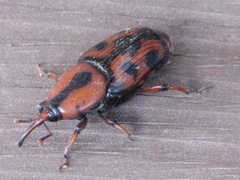 Palmetto Weevil
The Palmetto Weevil is a large beetle that bores into the soft tissue of palm trees to lay its eggs. It is a serious threat because the larvae feed inside the trunk, often causing the palm to collapse and die.
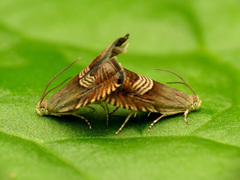 Pawpaw Peduncle Borer
The pawpaw peduncle borer is a small moth larva that tunnels into the stems supporting pawpaw fruit. This damage often causes the developing fruit to drop prematurely, which can significantly reduce your harvest.
- Persea Mites
Persea mites are tiny arachnids that feed on the undersides of leaves, causing significant discoloration and premature leaf drop. This damage matters because it reduces the plant's ability to photosynthesize, which can weaken the overall health and vigor of the host.
- Persimmon Psyllid
The persimmon psyllid is a tiny sap sucking insect that specifically targets persimmon trees. It causes the leaves to curl and develop distinctive pockets, which can stunt new growth and make the tree look unsightly.
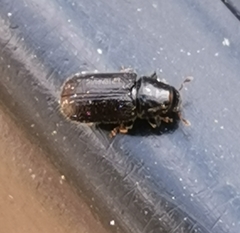 Pine Bark Beetle
Pine bark beetles are small insects that bore into the bark of pine trees to lay their eggs. They are significant because their tunneling disrupts the tree's ability to transport water and nutrients, which can lead to the death of the tree.
- Pipevine Swallowtail Caterpillar
The Pipevine Swallowtail caterpillar is the larval stage of a striking butterfly that feeds exclusively on plants in the Aristolochia genus. While these caterpillars are beautiful, they can rapidly defoliate their host plants, which may stress the plant if the infestation is heavy.
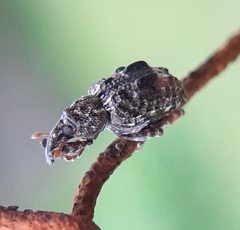 Plum Curculio
The plum curculio is a small snout beetle that targets stone and pome fruits by laying eggs inside the developing flesh. This pest causes significant damage because the larvae tunnel through the fruit, leading to premature drop and rendering the harvest inedible.
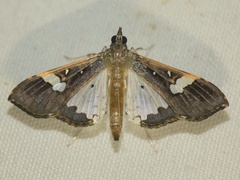 Pod Borer
Pod borers are the larvae of certain moths that feed inside the developing seed pods of legumes like pigeon peas. They cause significant damage by consuming the seeds, which ruins the harvest and can lead to secondary fungal infections in the damaged pods.
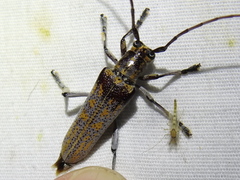 Poplar Borer
The Poplar Borer is a wood boring beetle that lays its eggs in the bark of poplar trees. Its larvae tunnel deep into the wood, which can weaken the structural integrity of the tree and make it vulnerable to snapping in high winds.
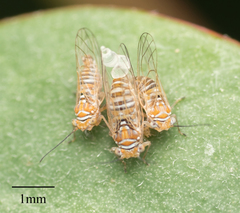 Psyllids
Psyllids are tiny, sap sucking insects that look like miniature cicadas. They cause significant damage by feeding on plant juices and injecting toxins that distort growth.
- Raspberry Beetle
The raspberry beetle is a small brown insect that lays its eggs inside the developing flowers of raspberries and blackberries. The resulting larvae feed on the fruit, which ruins the harvest and makes the berries unappealing to eat.
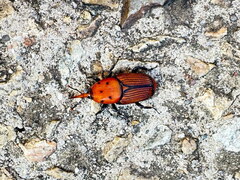 Red Palm Weevil
The red palm weevil is a destructive beetle that bores deep into the trunks of palm trees to lay its eggs. Because the larvae feed internally and undetected for months, this pest often causes the total collapse of the tree before the damage is even noticed.
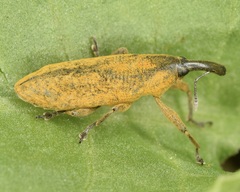 Rhubarb Curculio
The Rhubarb Curculio is a large, snout-bearing beetle that feeds on the stalks of rhubarb and related plants. It matters because its feeding and egg-laying activities create unsightly wounds that can lead to rot and ruin the harvest.
- Rice Worm
Rice Worm is a larval pest that feeds on the foliage of various plants by tunneling through leaf tissue. This damage reduces the plant's ability to photosynthesize, which can lead to stunted growth and weakened overall health.
- Rodents
Rodents like voles and squirrels are opportunistic foragers that feed on various plant parts. Their activity can severely damage or kill plants by destroying root systems or girdling stems.
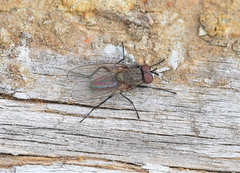 Root Maggots
Root maggots are the larvae of certain flies that feed on the underground portions of young plants. They can cause significant damage by tunneling into roots, which often leads to stunted growth or the death of the plant.
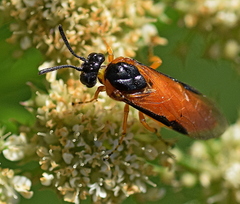 Sawfly
Sawflies are small, wasp like insects whose larvae look like caterpillars and feed voraciously on plant foliage. They can quickly strip a plant of its leaves, which weakens the plant and ruins its appearance.
- Scale Insects
Scale insects are small, sap sucking pests that hide under protective waxy shells on plant surfaces. They weaken plants by draining vital fluids and can lead to stunted growth or branch dieback if left to multiply.
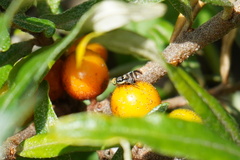 Sea Buckthorn Fly
The Sea Buckthorn Fly is a small insect that lays its eggs directly into the developing berries of sea buckthorn bushes. This infestation causes the fruit to shrivel and rot, significantly reducing the harvest quality and quantity.
- Slugs and Snails
Slugs and snails are soft bodied mollusks that feed on a wide variety of garden plants. They can cause significant damage by consuming large portions of foliage and flowers, often leaving plants ragged or entirely stripped.
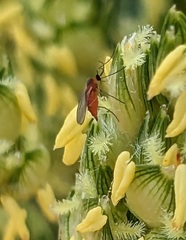 Sorghum Midge
The sorghum midge is a tiny fly that lays its eggs inside the developing florets of sorghum plants. This infestation prevents the grain from filling, which can lead to significant yield loss for growers.
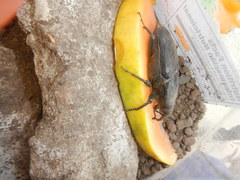 South American Palm Weevil
The South American palm weevil is a large beetle that bores into the crown of palm trees to lay its eggs. The resulting larvae feed on the internal tissue, which often leads to the rapid decline and death of the host plant.
- Soybean Cyst Nematode
Soybean Cyst Nematode is a microscopic roundworm that feeds on the roots of legumes like edamame. It is a serious concern because it stunts growth and significantly reduces crop yields by damaging the plant's ability to absorb water and nutrients.
- Spicebush Swallowtail Larvae
Spicebush Swallowtail larvae are the caterpillars of a beautiful native butterfly that feed exclusively on specific host plants like spicebush and pawpaw. While they do consume foliage, they are generally considered a welcome visitor in the garden rather than a destructive pest.
- Spider Mites
Spider mites are tiny arachnids that feed on plant sap by piercing individual leaf cells. They cause significant stress to plants, leading to yellowing, leaf drop, and a weakened overall structure.
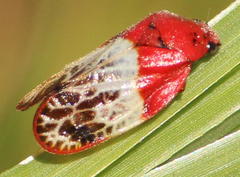 Spittlebugs
Spittlebugs are small insects that create a protective, frothy mass of bubbles on plant stems to hide from predators and keep moist. While the foam looks messy, these insects rarely cause significant damage to healthy plants.
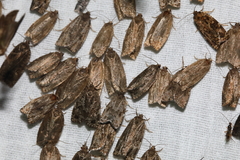 Spruce Budworm
The spruce budworm is a moth larva that feeds on the new growth of coniferous trees. It is a significant pest because repeated defoliation can severely weaken trees and eventually lead to their death.
- Squash Vine Borer
The squash vine borer is a moth larva that tunnels into the stems of cucurbit plants to feed. This feeding destroys the internal tissue that carries water and nutrients, which often leads to the sudden collapse and death of the plant.
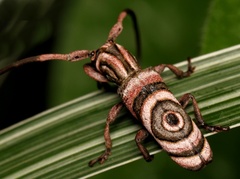 Stem Borers
Stem borers are the larval stage of certain beetles or moths that tunnel into the woody tissues of trees and shrubs. Because they feed inside the plant, they disrupt the flow of water and nutrients, which can lead to branch dieback or the death of the entire plant.
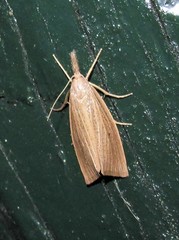 Sugarcane Borer
The Sugarcane Borer is the larval stage of a moth that tunnels deep into the stalks of grasses and related crops. This feeding behavior disrupts the plant's ability to transport water and nutrients, which can lead to stunted growth and structural failure.
- Sunflower Moth
The sunflower moth is a small insect that lays its eggs directly on the developing flower heads of sunflowers. The resulting larvae tunnel into the seeds and florets, which can ruin the entire harvest if left unchecked.
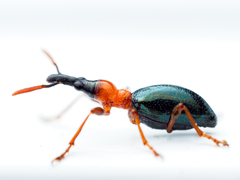 Sweet Potato Weevil
The sweet potato weevil is a small, ant like beetle that bores into the vines and tubers of sweet potato plants. It is a serious pest because its larvae tunnel through the edible roots, making them bitter and unfit for human consumption.
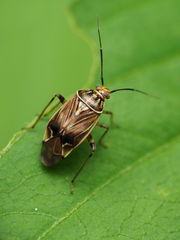 Tarnished Plant Bug
The tarnished plant bug is a small, mobile insect that feeds by injecting toxic saliva into plant tissues. This feeding causes significant damage to developing buds, leaves, and fruit, often resulting in stunted or deformed growth.
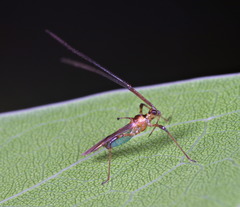 Tea Mosquito Bug
The tea mosquito bug is a small, slender insect that feeds on the sap of young plant tissues. Its feeding habits cause significant damage to new growth, which can lead to stunted development and reduced yields in crops like cashew.
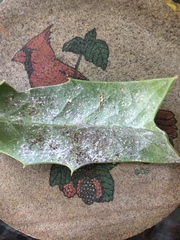 Tea Scale
Tea scale is a tiny, sap sucking insect that settles on the undersides of leaves. It matters because heavy infestations drain a plant of its vitality, leading to yellowing leaves and stunted growth.
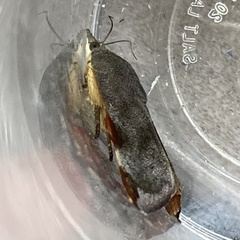 Teak Defoliator
The teak defoliator is a moth larva that feeds voraciously on the foliage of teak trees. It matters because heavy infestations can strip a tree of its leaves, significantly reducing growth and overall health.
- Thrips
Thrips are tiny, slender insects that feed by rasping plant tissue and sucking up the released sap. Their feeding causes unsightly damage that can stunt growth and ruin the appearance of your favorite plants.
- Tomato Hornworm
The tomato hornworm is a large, green caterpillar that feeds voraciously on the foliage and fruit of tomato plants. Because these pests can strip a plant of its leaves in just a few days, they pose a significant threat to the health and productivity of your garden.
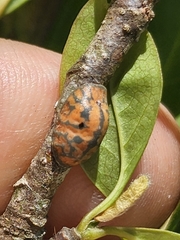 Tulip Tree Scale
Tulip Tree Scale is a soft scale insect that feeds on the sap of trees, appearing as large, bumpy, brown growths on the bark. These pests can cause significant stress to the host tree by draining its energy and promoting the growth of unsightly sooty mold.
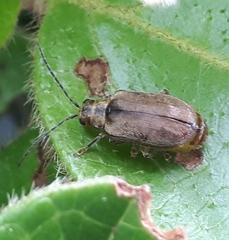 Viburnum Leaf Beetle
The Viburnum Leaf Beetle is a specialized pest that feeds exclusively on viburnum shrubs. It is a serious concern because heavy infestations can strip a plant of its foliage, leading to severe stress and eventual decline.
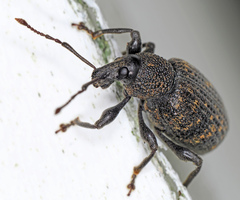 Vine Weevil
Vine weevil is a common garden pest where the larvae live in the soil and eat plant roots while the adult beetles chew notches into the leaves. This dual attack often goes unnoticed until the plant suddenly collapses because its root system has been destroyed.
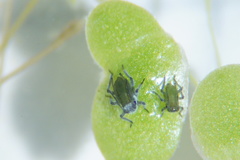 Water Lily Aphid
The water lily aphid is a small, sap sucking insect that specifically targets aquatic plants like water lilies and pickerelweed. These pests gather in large colonies on the upper surfaces of floating leaves, which can weaken the plant and lead to unsightly damage.
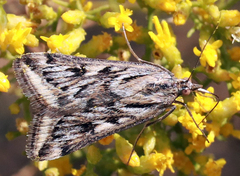 Webworms
Webworms are the larvae of certain moths that spin protective silken nests over the foliage of trees and shrubs. These nests can become quite large and unsightly, and the caterpillars inside feed on the leaves, potentially stripping branches bare.
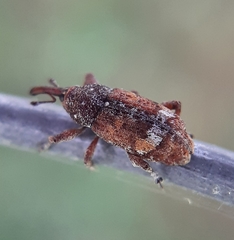 White Pine Weevil
The white pine weevil is a small beetle that lays eggs in the terminal leaders of young conifers. Its larvae tunnel through the stem, killing the top growth and causing the tree to develop a crooked or multi stemmed shape.
- Whitefly
Whiteflies are tiny, sap sucking insects that gather in large groups on the undersides of leaves. They weaken plants by draining their vitality and can spread viral diseases while leaving behind a sticky residue called honeydew.
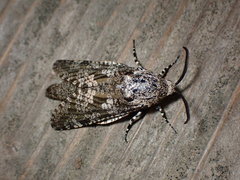 Wisteria Borer
The Wisteria Borer is a moth larva that tunnels into the woody stems of wisteria plants. This internal feeding disrupts the flow of water and nutrients, which can lead to branch dieback or the death of the entire plant.
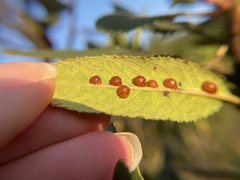 Wisteria Scale
Wisteria scale is a sap sucking insect that attaches itself to the woody stems of wisteria plants. These pests drain vital nutrients and produce sticky honeydew, which can weaken the plant and lead to unsightly mold growth.
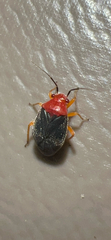 Yucca Plant Bug
The yucca plant bug is a small, sap sucking insect that specifically targets yucca plants. These pests cause significant aesthetic damage by draining plant fluids, which can lead to weakened foliage and a messy, discolored appearance.
Diseases
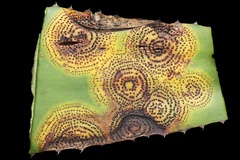 Anthracnose
Anthracnose is a group of fungal diseases that cause dark, sunken lesions on various parts of a plant. It matters because these infections can lead to premature leaf drop, stunted growth, and the loss of fruit or entire branches if left to spread.
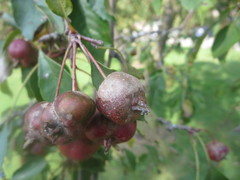 Apple Scab
Apple Scab is a fungal disease that creates unsightly dark spots on the foliage and fruit of apple and crabapple trees. While it rarely kills a tree, it can cause significant leaf drop and ruin the appearance of your harvest.
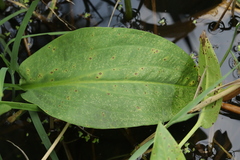 Ascochyta Blight
Ascochyta Blight is a fungal disease that causes necrotic lesions on the foliage and stems of plants like chickpeas. It is a serious concern because it can rapidly defoliate plants and cause significant yield loss if conditions remain wet.
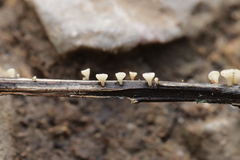 Ash Dieback
Ash Dieback is a destructive fungal disease caused by the pathogen Hymenoscyphus fraxineus. It causes significant leaf loss and crown dieback, eventually leading to the death of the tree.
- Aster Yellows
Aster Yellows is a systemic disease caused by a phytoplasma that disrupts the normal growth and development of a wide range of plants. It is a serious issue because it permanently stunts and distorts the plant, making it impossible to cure once the infection has taken hold.
- Bacterial Necrosis
Bacterial necrosis is a serious condition where bacteria invade the internal tissues of succulent plants like the Saguaro. It matters because it causes internal decay that can quickly compromise the structural integrity of the plant.
- Bayoud Disease
Bayoud disease is a devastating fungal wilt caused by the soilborne pathogen Fusarium oxysporum f. sp. albedinis. It is a critical concern because it moves through the vascular system of susceptible palms, leading to rapid decline and death.
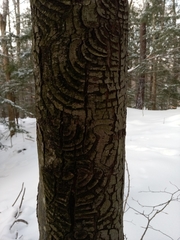 Beech Bark Disease
Beech Bark Disease is a complex condition caused by the combination of a scale insect and a fungus that invades the tree through the insect's feeding wounds. It is a serious threat that can lead to the decline and eventual death of beech trees.
- Beech Leaf Disease
Beech Leaf Disease is a condition caused by a microscopic nematode that damages the foliage of beech trees. It is a serious concern because it can lead to significant canopy thinning and the eventual death of affected trees.
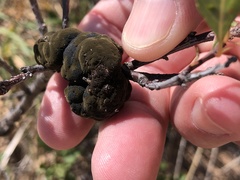 Black Knot
Black Knot is a fungal disease that causes hard, black, warty growths to form on the branches of trees in the Prunus genus. It is a serious issue because these growths can eventually girdle and kill entire branches or even the whole tree if left untreated.
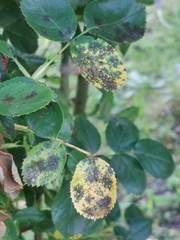 Black Spot
Black spot is a fungal disease that causes dark, unsightly blotches on the foliage of roses. It matters because it weakens the plant by causing premature leaf drop, which reduces the energy the plant can produce for future growth and blooms.
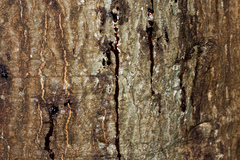 Bleeding Necrosis
Bleeding necrosis is a condition where localized areas of bark tissue die and leak dark, sap like fluid. It matters because these open wounds provide entry points for secondary infections that can compromise the structural integrity of the plant.
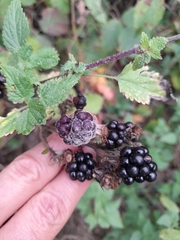 Botrytis Blight
Botrytis Blight is a common fungal disease caused by the pathogen Botrytis cinerea that thrives in cool, damp conditions. It is a significant concern because it can rapidly destroy flowers and foliage, leaving behind a fuzzy gray mold that ruins the appearance and health of many ornamental plants.
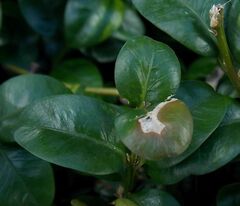 Boxwood Blight
Boxwood Blight is a fungal disease that causes rapid leaf drop and stem lesions on boxwood plants. It is a serious concern because it can quickly defoliate and kill susceptible shrubs, often ruining entire hedges.
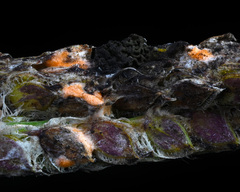 Bud Rot
Bud rot is a fungal infection that causes the dense, flowering parts of a plant to decay from the inside out. It is a serious issue because it can quickly destroy an entire harvest if left to spread through the flower clusters.
- Bulb Rot
Bulb rot is a fungal or bacterial infection that attacks the underground storage organs of plants. It is a serious issue because it destroys the plant's ability to store energy and absorb water, which often leads to total collapse.
- Cacao Swollen Shoot Virus
Cacao Swollen Shoot Virus is a viral infection that primarily impacts cacao trees by disrupting their internal growth processes. It is a serious concern because it significantly reduces the tree's ability to produce healthy pods and can eventually lead to the decline of the entire plant.
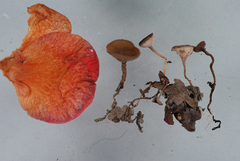 Camellia Petal Blight
Camellia Petal Blight is a fungal disease that specifically targets the blooms of camellia plants. It is a frustrating issue because it ruins the appearance of the flowers, turning them into brown, mushy messes before they can fully open or finish their natural display.
- Canker
Canker is a fungal disease that creates localized dead areas on the bark of woody stems. It matters because these lesions can girdle branches or trunks, cutting off the flow of water and nutrients to the rest of the plant.
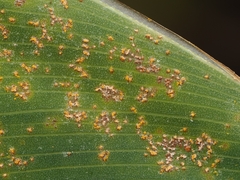 Canna Rust
Canna Rust is a fungal disease caused by the pathogen Puccinia thaliae that specifically targets Canna lilies. It matters because it can rapidly disfigure foliage and weaken the plant by interfering with its ability to photosynthesize.
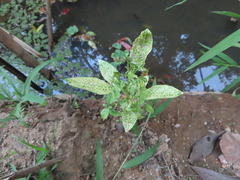 Cassava Mosaic Disease
Cassava Mosaic Disease is a viral infection that causes distinct patterns of yellow and green discoloration on foliage. It is a serious concern because it significantly reduces the plant's ability to photosynthesize, which leads to stunted growth and poor crop yields.
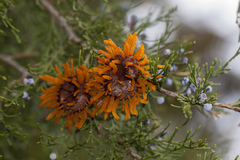 Cedar Apple Rust
Cedar apple rust is a fungal disease that requires two different types of host plants to complete its life cycle. It matters because it causes significant leaf drop and fruit deformity on susceptible trees, which weakens their overall vigor.
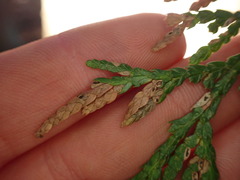 Cedar Leaf Blight
Cedar Leaf Blight is a fungal disease that targets the foliage of Western Red Cedars. It matters because it causes premature needle drop and can significantly thin the canopy of affected trees.
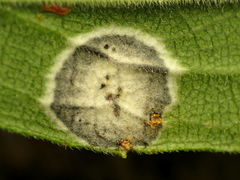 Cercis Canker
Cercis Canker is a fungal disease that creates localized areas of dead tissue on the branches and trunks of redbud trees. It matters because these lesions can girdle stems, cutting off the flow of water and nutrients to the rest of the tree.
- Cercospora Leaf Spot
Cercospora Leaf Spot is a fungal disease that creates distinct circular lesions on the foliage of various plants. It matters because heavy infections can cause premature leaf drop, which significantly reduces the plant's ability to produce energy and stunts overall growth.
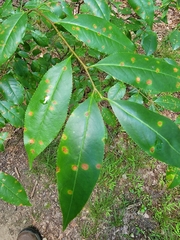 Cherry Leaf Spot
Cherry Leaf Spot is a fungal disease that causes small, dark spots on foliage, often leading to premature leaf drop. It matters because heavy infections weaken the tree, reduce fruit production, and make the plant vulnerable to winter damage.
- Chocolate Spot
Chocolate spot is a fungal disease caused by Botrytis fabae that primarily affects broad beans and related legumes. It creates unsightly dark lesions that can significantly reduce crop yields and weaken the overall vigor of the plant.
- Citrus Canker
Citrus Canker is a bacterial disease that causes raised, corky lesions on the foliage, stems, and fruit of citrus trees. It is a serious concern because it can cause premature fruit drop and significant leaf loss, weakening the tree over time.
- Clematis Wilt
Clematis Wilt is a sudden fungal disease that causes the stems of susceptible clematis varieties to collapse and wither overnight. It is a frustrating issue because it can strike healthy looking plants, though the root system usually remains alive and capable of sending up new growth.
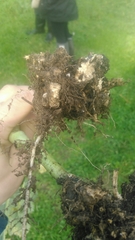 Clubroot
Clubroot is a soil borne disease caused by a microscopic organism that infects the roots of brassica plants. It is a serious issue because it causes severe root malformation, which prevents the plant from taking up water and nutrients effectively.
- Corn Smut
Corn smut is a fungal disease that causes large, fleshy galls to grow on the ears and stalks of corn plants. While it can look alarming, it is a localized infection that primarily affects the yield and appearance of the affected ears.
- Crocus Rot
Crocus rot is a fungal infection that attacks the underground corms of crocus plants. It is a serious issue because it destroys the base of the plant, often leading to total collapse before the gardener even notices a problem.
- Crown Gall
Crown gall is a bacterial disease that causes abnormal, tumor like growths on the roots and stems of many plants. These galls disrupt the flow of water and nutrients, which can severely weaken or eventually kill the affected plant.
- Currant Rust
Currant Rust is a fungal infection that primarily targets the foliage of currant bushes. It matters because it can cause premature leaf drop, which weakens the plant and reduces its ability to produce fruit in future seasons.
- Damping Off
Damping off is a fungal disease that strikes seedlings just as they emerge or shortly after. It causes young plants to collapse and die suddenly, often wiping out entire trays of starts overnight.
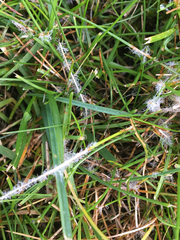 Dollar Spot
Dollar spot is a fungal disease that creates small, circular patches of dead or bleached grass across a lawn. It matters because it can quickly ruin the appearance of turf and, if left untreated, lead to thinning areas that allow weeds to take over.
- Dothistroma Needle Blight
Dothistroma Needle Blight is a fungal infection that targets the needles of pine trees. It matters because it causes premature needle drop, which weakens the tree and can lead to significant branch dieback over time.
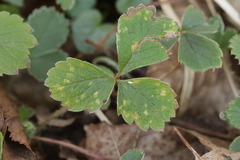 Downy Mildew
Downy mildew is a water mold that thrives in cool, damp conditions and attacks the foliage of many garden plants. It is a serious concern because it can rapidly defoliate plants and significantly reduce yields or kill the host entirely.
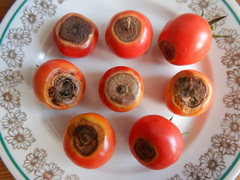 Early Blight
Early Blight is a common fungal disease caused by the pathogen Alternaria solani that primarily targets tomatoes and potatoes. It matters because it causes premature leaf drop and can significantly reduce your harvest by weakening the plant's ability to produce energy.
- Elderberry Rust
Elderberry rust is a fungal infection that causes distinct, colorful spots on the foliage of elderberry plants. While it rarely kills the plant, heavy infections can weaken its overall vigor and reduce fruit production.
 Ergot
ErgotErgot is a fungal disease that replaces the healthy grain of grasses and cereals with hard, dark, horn shaped structures called sclerotia. It is significant because these structures contain toxic alkaloids that are dangerous to both humans and livestock if ingested.
- Fennel Rust
Fennel Rust is a fungal infection that causes distinct, powdery spots to develop on the foliage of fennel plants. It matters because it can significantly weaken the plant and reduce the quality of the harvest if it is left to spread unchecked.
- Fig Rust
Fig Rust is a fungal disease caused by the pathogen Cerotelium fici that primarily affects the foliage of fig trees. It matters because heavy infections cause premature leaf drop, which weakens the tree and reduces its ability to produce a healthy harvest.
- Fire Blight
Fire Blight is a bacterial disease that causes sudden wilting and blackening of plant tissues. It is a serious concern because it can rapidly destroy branches or even kill entire trees in the rose family.
- Forsythia Gall
Forsythia Gall is a bacterial infection that causes abnormal, tumor like growths to form on the branches of the plant. While it rarely kills the shrub, these unsightly knots can weaken the stems and reduce the overall vigor of your forsythia.
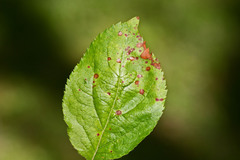 Frogeye Leaf Spot
Frogeye Leaf Spot is a fungal disease caused by Cercospora sojina that creates distinct, circular lesions on plant foliage. It matters because heavy infections can cause premature leaf drop, which reduces the plant's ability to photosynthesize and lowers overall crop yield.
- Fruit Rot
Fruit rot is a fungal infection that causes developing fruit to decay while still on the tree. It is a serious concern because it can destroy an entire harvest if left unmanaged.
- Fusarium Wilt
Fusarium wilt is a destructive fungal disease caused by soilborne pathogens that invade a plant's water conducting tissues. It is a serious issue because it effectively chokes off the plant's ability to transport water and nutrients, leading to rapid decline and death.
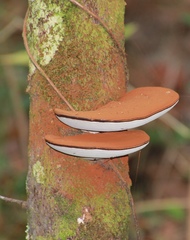 Ganoderma Rot
Ganoderma Rot is a destructive fungal disease that attacks the root and stem base of palms. It causes internal decay that prevents the plant from absorbing water and nutrients, eventually leading to structural failure.
- Gray Mold
Gray mold is a common fungal disease caused by the pathogen Botrytis cinerea that thrives in cool, damp conditions. It can quickly ruin the appearance of flowers and fruit, often causing them to rot and collapse entirely.
- Guignardia Leaf Blotch
Guignardia leaf blotch is a fungal disease that primarily affects horse chestnut trees. It causes unsightly brown spots on the foliage, which can lead to premature leaf drop and weaken the tree over time.
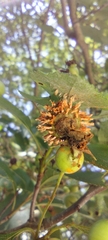 Hawthorn Rust
Hawthorn rust is a fungal disease that creates bright, colorful spots on the foliage of hawthorn trees. While it rarely kills the tree, it can cause significant leaf drop and weaken the plant over several seasons.
- Hazelnut Blight
Hazelnut Blight is a fungal disease that causes sunken lesions and cankers on the branches of hazelnut trees. It is a serious concern because it can girdle stems and eventually kill entire branches or the whole tree if left untreated.
- Hellebore Leaf Spot
Hellebore Leaf Spot is a fungal disease caused by Coniothyrium hellebori that creates unsightly dark blotches on foliage. While it rarely kills the plant, it can significantly weaken your hellebores and ruin their appearance over time.
- Heuchera Rust
Heuchera Rust is a fungal infection that creates small, raised spots on the foliage of coral bells. It matters because it can quickly weaken the plant and ruin its attractive appearance if left to spread across the leaves.
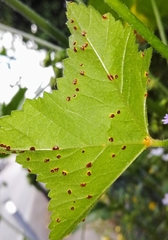 Hollyhock Rust
Hollyhock rust is a common fungal disease that causes unsightly spots on the foliage of hollyhocks and related mallow plants. While it rarely kills the plant outright, it can significantly weaken it and ruin its appearance over the course of the growing season.
- Hornbeam Leaf Spot
Hornbeam Leaf Spot is a fungal infection that causes distinct dark markings on the foliage of Carpinus species. While it rarely threatens the life of a mature tree, it can cause premature leaf drop and diminish the overall aesthetic appeal of the plant.
- Horsetail Rust
Horsetail Rust is a fungal infection that specifically targets Equisetum species. It causes unsightly discoloration and can weaken the structural integrity of the stems over time.
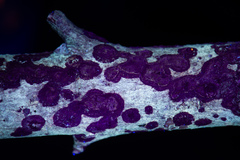 Hypoxylon Canker
Hypoxylon Canker is a fungal disease that attacks trees already weakened by environmental stress. It is a serious condition because it causes rapid decay of the inner wood, which often leads to structural failure.
- Ink Spot Disease
Ink Spot Disease is a fungal infection that primarily targets Kangaroo paw plants, causing dark, unsightly lesions on the foliage. It matters because these spots can quickly spread to cover the entire leaf, weakening the plant and ruining its appearance.
- Juniper Blight
Juniper blight is a fungal infection that causes browning and dieback on the tips of branches. It is a serious concern because it can quickly disfigure a plant and eventually kill it if the infection reaches the main trunk.
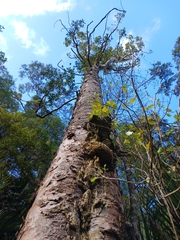 Kauri Dieback
Kauri Dieback is a devastating disease caused by a soilborne pathogen that attacks the roots of Kauri trees. It is a critical issue because it leads to the slow decline and eventual death of these iconic, ancient trees.
- Larch Needle Cast
Larch Needle Cast is a fungal disease that causes the needles of larch trees to turn brown and drop prematurely. It matters because repeated infections can weaken the tree and reduce its overall growth and vigor.
- Leaf Blight
Leaf blight is a fungal or bacterial infection that causes rapid tissue death on foliage. It matters because it reduces the plant's ability to photosynthesize, which weakens the entire structure over time.
- Leaf Spot
Leaf spot is a common plant disease caused by various fungi or bacteria that create distinct discolored patches on foliage. While often just a cosmetic issue, heavy infections can weaken a plant by reducing its ability to photosynthesize effectively.
- Lethal Bronzing
Lethal Bronzing is a fatal disease caused by phytoplasma bacteria that disrupts the vascular system of palm trees. It is a serious concern because it kills susceptible palms rapidly and spreads through insect vectors.
- Longan Witch's Broom
Longan Witch's Broom is a serious disease caused by an eriophyid mite that leads to abnormal, dense clusters of twig growth. It matters because these deformed growths prevent the tree from producing healthy flowers and fruit, eventually weakening the entire plant.
- Lotus Spot
Lotus Spot is a fungal infection that primarily affects the foliage of sacred lotus plants. It creates unsightly blemishes that can reduce the plant's ability to photosynthesize effectively if the infection becomes widespread.
- Mimosa Wilt
Mimosa Wilt is a destructive fungal disease caused by the pathogen Fusarium oxysporum f. perniciosum. It is a serious condition because it clogs the water conducting vessels of the tree, leading to rapid decline and eventual death.
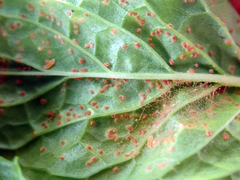 Mint Rust
Mint Rust is a fungal disease that creates small, brightly colored pustules on the undersides of mint leaves. It can significantly reduce the vigor of your plants and ruin the quality of the foliage you want to harvest.
- Mummy Berry
Mummy Berry is a fungal disease that specifically targets blueberry plants by turning developing fruit into hard, shriveled mummies. It is a significant concern because it can destroy a large portion of your harvest and persist in the soil for years.
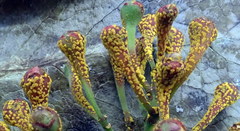 Myrtle Rust
Myrtle Rust is a fungal disease that attacks plants in the Myrtaceae family by producing bright yellow, powdery spores on new growth. It is a serious concern because it can severely stunt or kill young plants and disrupt the health of entire populations.
- Nandina Virus
Nandina virus is a viral infection that primarily affects heavenly bamboo plants. It is a permanent condition that causes unsightly foliage changes and can weaken the plant over time.
- Needle Blight
Needle Blight is a fungal disease that causes the needles of conifers like Japanese Cedar to turn brown and drop prematurely. It matters because severe infections can leave trees thin and vulnerable to other stressors.
- Nutmeg Wilt
Nutmeg Wilt is a soil borne fungal disease that attacks the vascular system of the plant. It is a serious condition because it prevents the plant from transporting water and nutrients, leading to rapid decline.
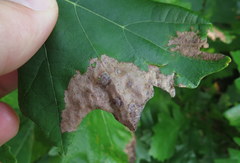 Oak Leaf Blister
Oak Leaf Blister is a fungal disease that causes raised, distorted areas on the foliage of various oak species. While it looks concerning, it rarely causes long term harm to healthy, mature trees.
- Oak Mildew
Oak mildew is a fungal infection that appears as a white, powdery coating on the foliage of oak trees. While it rarely kills established trees, it can cause significant leaf distortion and stress in younger plants.
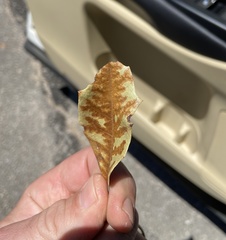 Oak Wilt
Oak wilt is a lethal fungal disease caused by the pathogen Bretziella fagacearum that blocks the water conducting vessels of oak trees. It is a critical concern because it can kill susceptible oak species rapidly and spread to neighboring trees through interconnected root systems.
- Oleander Leaf Scorch
Oleander Leaf Scorch is a bacterial disease that blocks the water conducting vessels of the plant. It is a serious condition because it eventually starves the plant of moisture and nutrients, leading to a slow decline.
- Panama Disease
Panama disease is a destructive fungal wilt caused by a soilborne pathogen that invades the vascular system of banana plants. It is a critical concern because it blocks water transport, leading to the inevitable decline and death of the plant.
- Papaya Ringspot Virus
Papaya Ringspot Virus is a viral infection transmitted primarily by aphids that causes significant distortion and stunted growth in papaya plants. It is a serious concern because it drastically reduces fruit quality and yield, often rendering the plant unproductive.
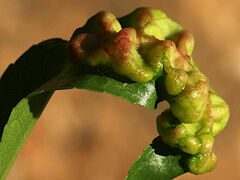 Peach Leaf Curl
Peach leaf curl is a fungal disease that causes leaves to become distorted, thickened, and discolored. It matters because it weakens the tree by causing premature leaf drop, which reduces the tree's ability to produce energy and fruit.
- Peacock Spot
Peacock Spot is a fungal disease that creates distinct circular lesions on the foliage of olive trees. It matters because heavy infections cause significant leaf drop, which weakens the tree and reduces fruit production.
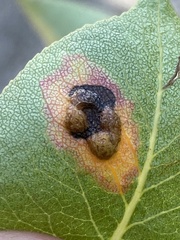 Pear Rust
Pear Rust is a fungal disease that causes bright orange spots to appear on pear tree leaves during the growing season. It matters because heavy infections can weaken the tree and reduce the quality of your fruit harvest.
- Phytophthora
Phytophthora is a genus of water molds that act like fungi, causing devastating root and crown rots in a wide variety of plants. It is a serious threat because it thrives in wet soil and can quickly destroy a plant's ability to take up water and nutrients.
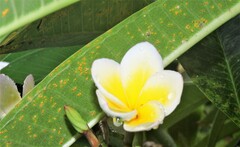 Plumeria Rust
Plumeria Rust is a fungal disease that primarily targets the leaves of frangipani plants. It matters because it can cause premature leaf drop and weaken the plant by reducing its ability to photosynthesize.
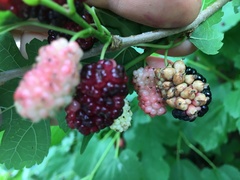 Popcorn Disease
Popcorn Disease is a fungal infection that causes the fruit of mulberry trees to swell into distorted, white, popcorn-like masses. It matters because it ruins the entire crop and can significantly reduce the tree's yield if the infection cycle is not broken.
 Potato Blight
Potato Blight is a fast moving fungal disease caused by a water mold that thrives in damp, humid conditions. It is a serious threat because it can destroy entire crops of potatoes and tomatoes in just a few days.
- Powdery Mildew
Powdery mildew is a common fungal disease that appears as a white or gray dusty coating on plant surfaces. It matters because it can drain a plant of energy, leading to stunted growth, yellowing foliage, and distorted blooms.
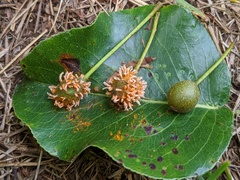 Quince Rust
Quince rust is a fungal disease that requires both juniper and pome fruit trees to complete its life cycle. It causes significant disfigurement and decay, often ruining the fruit and damaging the woody structure of the plant.
- Raspberry Cane Blight
Raspberry Cane Blight is a fungal disease that targets the stems of raspberries and blackberries. It causes significant damage by blocking the flow of water and nutrients, which can lead to the death of entire canes.
- Red Blotch
Red Blotch is a fungal disease that primarily affects Amaryllis plants, causing unsightly red spots and streaks on the foliage. It matters because it can weaken the bulb over time and significantly reduce the beauty of the plant.
- Red Rot
Red rot is a fungal disease that primarily attacks the internal tissues of woody stems. It matters because it compromises the structural integrity of the plant, often leading to internal decay that is hidden until significant damage has occurred.
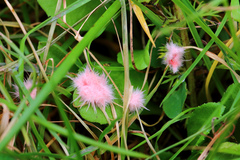 Red Thread
Red Thread is a fungal lawn disease that causes patches of grass to turn tan or pinkish. While it rarely kills the entire lawn, it can make your grass look ragged and unsightly during wet periods.
- Rice Blast
Rice Blast is a destructive fungal disease caused by the pathogen Magnaporthe oryzae that creates distinct lesions on various parts of the plant. It is a major concern because it can rapidly reduce crop yields and weaken the overall structural integrity of the plant.
- Root Rot
Root rot is a destructive condition caused by waterlogged soil that suffocates plant roots and invites fungal pathogens. It is a serious issue because it destroys the plant's ability to absorb water and nutrients, often leading to rapid decline.
- Rose Rosette Disease
Rose Rosette Disease is a viral infection transmitted by tiny eriophyid mites that feed on rose tissues. It is a serious condition that causes systemic distortion and eventually leads to the decline of the plant.
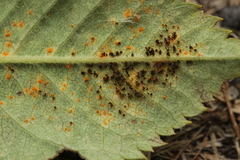 Rose Rust
Rose Rust is a fungal disease that creates distinct, powdery orange spots on the foliage of rose bushes. It matters because it can cause premature leaf drop, which weakens the plant and reduces its ability to bloom.
- Rust
Rust is a common fungal disease that appears as powdery, rust colored spots on plant tissues. It matters because it can drain a plant of its energy, leading to stunted growth and leaf drop.
- Sassafras Wilt
Sassafras Wilt is a serious fungal disease caused by the pathogen Raffaelea lauricola, which is introduced into the tree by the invasive redbay ambrosia beetle. It is a devastating condition that disrupts the tree's water transport system, leading to rapid decline and death.
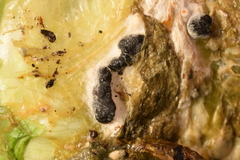 Sclerotinia Rot
Sclerotinia Rot is a fungal disease caused by soil borne pathogens that attack the base and stems of many garden plants. It is a serious concern because it can rapidly cause the collapse and death of otherwise healthy plants.
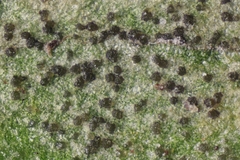 Septoria Leaf Spot
Septoria Leaf Spot is a fungal disease that causes small, dark spots to develop on the foliage of various plants. It matters because it can lead to premature leaf drop, which weakens the plant and significantly reduces its ability to produce healthy fruit or growth.
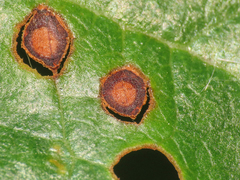 Shot Hole Disease
Shot Hole Disease is a fungal infection that causes small, circular spots to appear on foliage. These spots eventually drop out, leaving behind holes that make the leaves look like they have been hit by tiny buckshot.
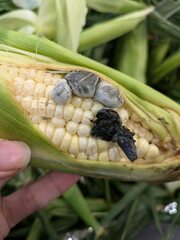 Smut
SmutSmut is a fungal disease that causes plants to develop dark, powdery masses of spores. It matters because these growths can distort plant tissues and significantly reduce the quality and yield of the affected crop.
- Soft Rot
Soft rot is a bacterial infection that causes plant tissues to break down into a mushy, foul smelling mess. It is a serious issue because it can rapidly destroy the structural integrity of roots and stems, often leading to the total collapse of the plant.
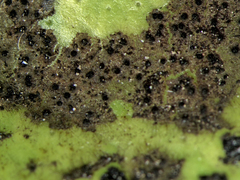 Sooty Mold
Sooty mold is a dark, powdery fungal growth that develops on the surface of plant parts covered in sticky honeydew. While the fungus itself does not feed on the plant, it blocks sunlight and prevents the leaves from photosynthesizing properly.
- South American Leaf Blight
South American Leaf Blight is a fungal disease caused by the pathogen Microcyclus ulei that specifically targets rubber trees. It is a major concern because it causes severe defoliation, which stunts growth and drastically reduces the tree's ability to produce latex.
- Spike Disease
Spike Disease is a systemic condition caused by phytoplasmas that disrupts normal plant growth hormones. It is a serious concern because it leads to stunted, distorted, and unproductive plants that rarely recover.
- Stem Rot
Stem rot is a fungal infection that attacks the base or main stalks of a plant, causing tissue to break down and decay. It is a serious issue because it disrupts the plant's ability to transport water and nutrients, which can lead to rapid wilting and death.
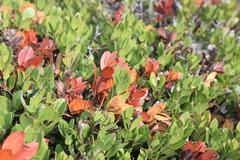 Sudden Oak Death
Sudden Oak Death is a destructive disease caused by a water mold that leads to lethal trunk cankers on certain trees. It is a serious concern because it can rapidly kill susceptible species and alter entire forest ecosystems.
- Sumac Leaf Spot
Sumac Leaf Spot is a fungal infection that causes distinct, dark markings on the foliage of sumac trees. While it rarely threatens the life of the plant, it can make the foliage look unsightly during the growing season.
- Swiss Needle Cast
Swiss Needle Cast is a fungal disease caused by the pathogen Nothophaeocryptopus gaeumannii that specifically targets Douglas fir needles. It matters because it causes premature needle loss, which significantly reduces the tree's ability to photosynthesize and stunts its growth over time.
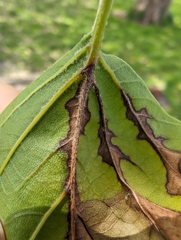 Sycamore Anthracnose
Sycamore Anthracnose is a fungal disease that targets sycamore and planetree species during cool, wet spring weather. It matters because it can cause significant leaf drop and twig dieback, which weakens the tree and ruins its appearance.
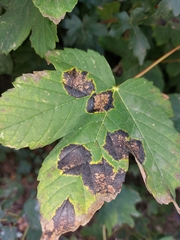 Tar Spot
Tar spot is a fungal disease that creates distinct, raised black spots on the foliage of maple trees. While it looks alarming, it is primarily a cosmetic issue that rarely causes long term harm to the health of the tree.
- Tobacco Mosaic Virus
Tobacco Mosaic Virus is a highly persistent plant virus that spreads easily through physical contact. It causes significant damage to plant health by disrupting normal growth and reducing the quality and yield of the affected plants.
- Tuber Rot
Tuber rot is a fungal or bacterial infection that causes the underground storage organs of plants to decay and turn into a mushy mass. It is a serious issue because it destroys the plant's primary energy reserve, often leading to total collapse.
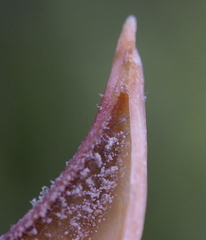 Tulip Fire
Tulip Fire is a fungal disease caused by Botrytis tulipae that creates unsightly spots and twisted growth on tulips. It matters because it can quickly ruin the appearance of your spring display and weaken the bulbs for future seasons.
- Twig Blight
Twig blight is a fungal infection that causes the tips of branches to die back and turn brown. It matters because it can disfigure the shape of your tree and, if left untreated, weaken the overall health of the plant.
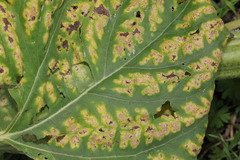 Verticillium Wilt
Verticillium wilt is a persistent soilborne fungal disease that invades a plant's water conducting tissues. It is a serious concern because it blocks the flow of water and nutrients, often leading to the decline or death of susceptible plants.
- Vinca Blight
Vinca Blight is a fungal infection caused by the pathogen Phoma exigua that targets periwinkle plants. It is a serious issue because it causes rapid wilting and dieback that can quickly destroy entire patches of groundcover.
- Wasting Disease
Wasting disease is a progressive condition that causes a plant to slowly lose its vigor and vitality over time. It is a serious concern because it gradually depletes the plant of the energy needed to sustain growth and resist other environmental stresses.
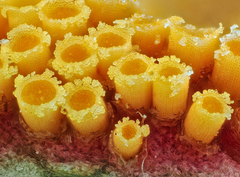 Wheat Rust
Wheat rust is a fungal disease caused by specialized pathogens that thrive on cereal crops. It significantly reduces grain yield and quality by disrupting the plant's ability to photosynthesize and transport nutrients.
- White Pine Blister Rust
White Pine Blister Rust is a fungal disease that requires both five needle pines and Ribes plants to complete its life cycle. It is a serious threat because it creates cankers that eventually girdle and kill the infected pine branches or the entire tree.
- White Rot
White rot is a destructive fungal disease that attacks the root systems of allium crops like garlic, onions, and leeks. It is a serious concern because the fungus persists in the soil for many years, making it difficult to grow susceptible plants in the same area again.
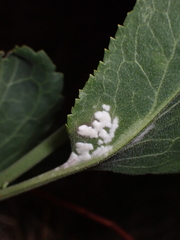 White Rust
White Rust is a fungal disease caused by oomycetes that creates distinct, chalky white pustules on plant foliage. It matters because these growths can severely weaken the plant by disrupting photosynthesis and causing premature leaf drop.
- Willow Blight
Willow blight is a fungal condition caused by the interaction of two pathogens that leads to severe dieback on willow trees. It matters because it can quickly disfigure these trees and, if left untreated, cause significant structural damage to the canopy.
- Witches Broom
Witches broom is a fungal disease that causes dense, abnormal clusters of twiggy growth to sprout from a single point on a branch. It matters because these growths drain the plant of energy and can eventually lead to the death of the affected branches or the entire tree.
- Yam Mosaic Virus
Yam Mosaic Virus is a viral infection that primarily impacts yam crops by causing distinct patterns on the foliage. It matters because it significantly reduces the plant's ability to photosynthesize, which leads to stunted growth and lower tuber yields.
Disorders
- Algae Overgrowth
Algae overgrowth is the rapid accumulation of microscopic aquatic plants on the surfaces of submerged plant parts or the water itself. It matters because it blocks essential sunlight and competes for nutrients, which can starve your aquatic plants and lead to their decline.
- Blossom End Rot
Blossom End Rot is a physiological disorder caused by a calcium deficiency in developing fruit. It ruins the bottom of tomatoes and peppers, making them inedible and frustrating for gardeners.
- Bolting
Bolting is a natural process where a plant prematurely shifts its energy from leaf or root production to flower and seed development. This transition often renders leafy greens and root vegetables bitter or woody, effectively ending their harvest window.
- Brown Leaf Edges
Brown leaf edges is a common physiological disorder where the tips or margins of foliage turn dry, brittle, and brown. It matters because it signals that the plant is struggling to manage its internal water balance or is reacting to environmental stress.
- Bud Drop
Bud drop is a physiological disorder where a plant prematurely sheds its flower buds before they have a chance to open. It matters because it prevents the plant from completing its reproductive cycle and ruins the floral display you were looking forward to.
- Chlorosis
Chlorosis is a condition where leaves lose their green color because they cannot produce enough chlorophyll. It matters because it starves the plant of energy, leading to stunted growth and a weakened immune system.
- Dehydration
Dehydration occurs when a plant loses more water through its leaves than it can absorb through its roots. It is a critical stressor that can cause permanent tissue damage or death if the plant is not rehydrated promptly.
- Edema
Edema is a physiological disorder that occurs when a plant absorbs water faster than it can transpire it through its leaves. It matters because it creates unsightly bumps and spots that can weaken the foliage and cause premature leaf drop.
- Frond Browning
Frond browning is a common physiological disorder where the tips or edges of fern fronds turn dry, brittle, and brown. It matters because it signals that the plant is struggling with its environment, which can lead to stunted growth if the underlying stress is not corrected.
- Late Frost Damage
Late frost damage occurs when a sudden drop in temperature hits plants that have already begun their spring growth. It matters because it can kill tender new tissue, ruining the season's display of flowers and foliage.
- Leaf Drop
Leaf Drop is a physiological response where a plant sheds its foliage prematurely due to environmental stress. It matters because it signals that the plant is struggling to adapt to its current surroundings and may lose the energy reserves needed for future growth.
- Leaf Scorch
Leaf scorch is a physiological disorder that occurs when a plant loses water faster than its roots can absorb it. It is important because it causes unsightly damage and can weaken a plant if the stress continues over several seasons.
- Mechanical Damage
Mechanical damage is physical injury to a plant caused by external forces like tools, animals, or weather. It matters because these wounds create entry points for pests and diseases while disrupting the plant's ability to transport water and nutrients.
- Root Suckering
Root suckering is the growth of new shoots from the root system rather than the main stem. It matters because these shoots can drain energy from the main plant and spread aggressively through your garden.
- Salt Stress
Salt stress occurs when excessive mineral salts accumulate in the soil, making it difficult for roots to absorb water. This condition effectively dehydrates the plant, leading to stunted growth and potential tissue death.
- Tip Burn
Tip burn is a physiological disorder where the edges or tips of leaves turn brown and dry out due to an inability to transport enough calcium to those areas. It matters because it ruins the aesthetic appearance of foliage and can weaken the plant if the damage becomes extensive.