 Pocket Botanist
Symptoms by part
Leaves
Small, irregular holes appear in the foliage, which eventually expand into large, ragged gaps as the larvae feed.
Flowers
Petals may show chewed edges or holes, and buds can be completely consumed before they have a chance to open.
Causes
- The presence of host plants like lilies or fritillaries in the garden.
- Mild winters that allow adult beetles to survive in the soil or garden debris.
- The introduction of infested bulbs or plants from other gardens.
Could be confused with
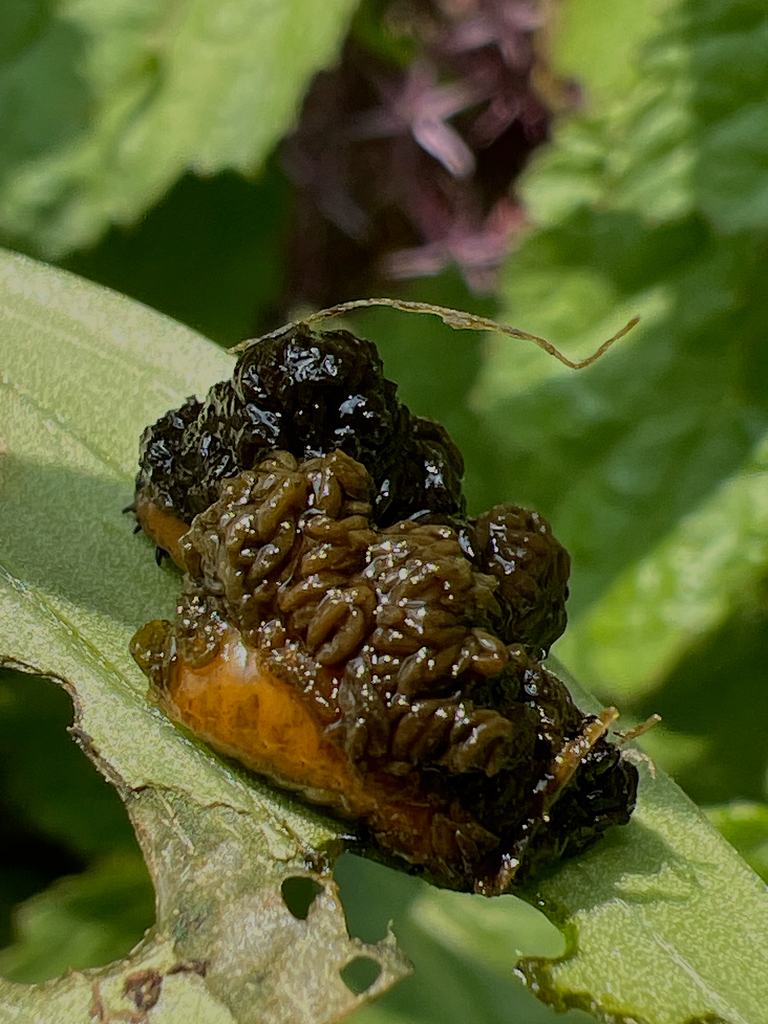
- Slugs and snails · Slugs and snails leave behind telltale slimy trails, whereas Lily Beetle damage is accompanied by the presence of the bright red adults or the larvae covered in dark excrement.
- Leaf-eating caterpillars · Caterpillars are generally larger and do not leave the characteristic slimy, dark fecal shields that Lily Beetle larvae carry on their backs.
Find out what's really wrong with your plant
Problems that look alike are easy to mix up. Pocket Botanist looks at a photo of your actual plant and tells you what's going on, how serious it is, and what to try first. Identification and a health check are free.



Scan with your phone's camera to get the app
Or go to pocketbotanist.app/get on your phone
Treatment
- Hand pick the bright red adult beetles from the tops and undersides of leaves during the early morning when they are less active.
- Inspect the undersides of leaves for clusters of tiny orange eggs and wipe them away with a damp cloth.
- Remove the larvae, which look like small slugs covered in dark slime, by hand or by knocking them into a container of soapy water.
- Apply fatty acids to the foliage to target larvae, follow the label.
- Apply spinosad to the plant surfaces where larvae are feeding, follow the label.
Without chemicals
- Place a light colored cloth under the plants before shaking the stems to catch beetles that drop to the ground as a defense mechanism.
- Clear away dead plant debris and weeds from around the base of the lilies in late autumn to reduce overwintering sites.
Chemical options
- Fatty acids, spray directly onto the larvae to coat them, follow the label.
- Spinosad, apply to the leaves and stems where insects are present, follow the label.
Preventing it
- Check your lilies daily during the spring and early summer for signs of feeding or the presence of adults.
- Inspect any new lily bulbs or plants thoroughly for eggs or larvae before planting them in your garden.
- Consider planting companion plants that attract natural predators like parasitic wasps.
Season
The warm growing season, starting from early spring when adults emerge from the soil.
Spread risk
High
Severity
High
When to act
Act as soon as you spot the first adult beetle or the first sign of leaf damage. If the plant is completely defoliated and fails to recover after a season, it is best to remove it to prevent the pest from spreading to healthy lilies.
Keep your plants healthy from here
Save your plants in Pocket Botanist and you get care reminders timed for each one, plus a care history that shows what worked. Identification and a health check are free.
Questions people ask
- Are the red beetles harmful to humans?
- No, Lily Beetles are not harmful to humans or pets, but they are highly destructive to your garden plants.
- Can I just wash the larvae off with a hose?
- While a strong jet of water can knock some larvae off, they are often resilient and may climb back up, so hand picking or targeted treatments are much more effective.
- Do I need to dig up my bulbs if I have an infestation?
- No, the beetles feed on the above ground parts of the plant, so digging up the bulbs is not necessary to control the current infestation.
Plants it affects
Answers plant by plant
This guide was generated with AI on and is general information, not horticultural advice. Read about how we build these guides.