 Pocket Botanist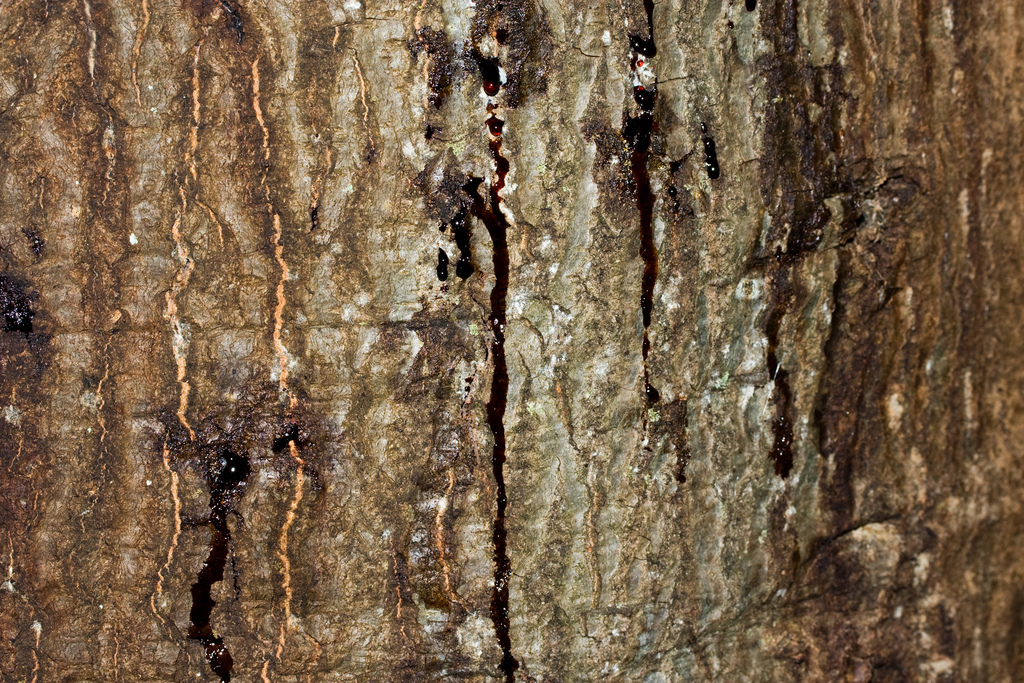
Symptoms by part
Roots
Roots turn dark brown or black, become mushy, and eventually decay, leaving the plant unable to anchor itself or absorb water.
Stems
Dark, sunken lesions or cankers appear near the soil line, often accompanied by a reddish or amber sap oozing from the bark.
Fruit
Water soaked spots develop on the surface, which rapidly expand into firm, brown, or leathery rot that may show a white, fuzzy growth in humid conditions.
Causes
- Consistently waterlogged or poorly drained soil
- Overhead irrigation that splashes soil onto stems and foliage
- High humidity and warm temperatures
- Movement of contaminated soil or water from infected areas
Could be confused with
- Verticillium wilt · Verticillium causes internal vascular browning in stems, whereas Phytophthora typically shows external decay at the crown or root level.
- Damping off · Damping off primarily affects seedlings at the soil line, while Phytophthora affects established plants of all ages.
Treatment
- Remove and destroy the entire plant, including as much of the root system as possible, to prevent the spread of spores to nearby healthy plants.
- Excavate and replace the top 12 inches of soil in the affected area with fresh, pathogen free soil.
- Improve the drainage of the planting site by adding organic matter or creating raised beds before replanting.
Without chemicals
- Improve soil drainage by adding compost or grit.
- Install a rain cover or shelter to keep the base of susceptible plants dry during wet weather.
- Sterilize all gardening tools with a bleach solution after working near infected areas.
- Avoid planting susceptible species in low lying areas where water collects.
Preventing it
- Only purchase healthy plants from reputable nurseries that practice good sanitation.
- Ensure all containers and tools are thoroughly cleaned and disinfected before use.
- Use well draining potting mixes and avoid overwatering.
- Space plants properly to encourage airflow and reduce humidity around the base.
Season
The warm growing season, especially during periods of heavy rain or high humidity.
Spread risk
High
Severity
High
When to act
Act immediately upon seeing wilting or crown lesions, as the plant is likely already compromised. If the plant shows significant dieback or crown rot, remove and dispose of it entirely, as recovery is rarely possible.
Think it's Phytophthora?
This guide covers the general picture. Pocket Botanist looks at your actual plant from a photo and tells you what's really going on, how serious it is, and what to try first. Identification and a health check are free.


Questions people ask
- Can I save a plant with Phytophthora?
- Unfortunately, by the time symptoms are visible, the root system is usually too damaged to recover, so removal is the best way to protect your garden.
- How long does Phytophthora stay in the soil?
- The spores can remain dormant in the soil for several years, so it is best to avoid planting susceptible species in the same spot for a long time.
Plants it affects
This guide was generated with AI and is general information, not horticultural advice. Read about how we build these guides.