 Pocket Botanist
Plant guide
Hinoki cypress.
Chamaecyparis obtusa
Pronounced kam-ee-SIP-uh-ris ob-TOO-suh
Also known as Hinoki Cypress, Hinoki False Cypress, Japanese cypress, Japanese false cypress, hinoki-cypress



Scan with your phone's camera to get the app
Or go to pocketbotanist.app/get on your phone
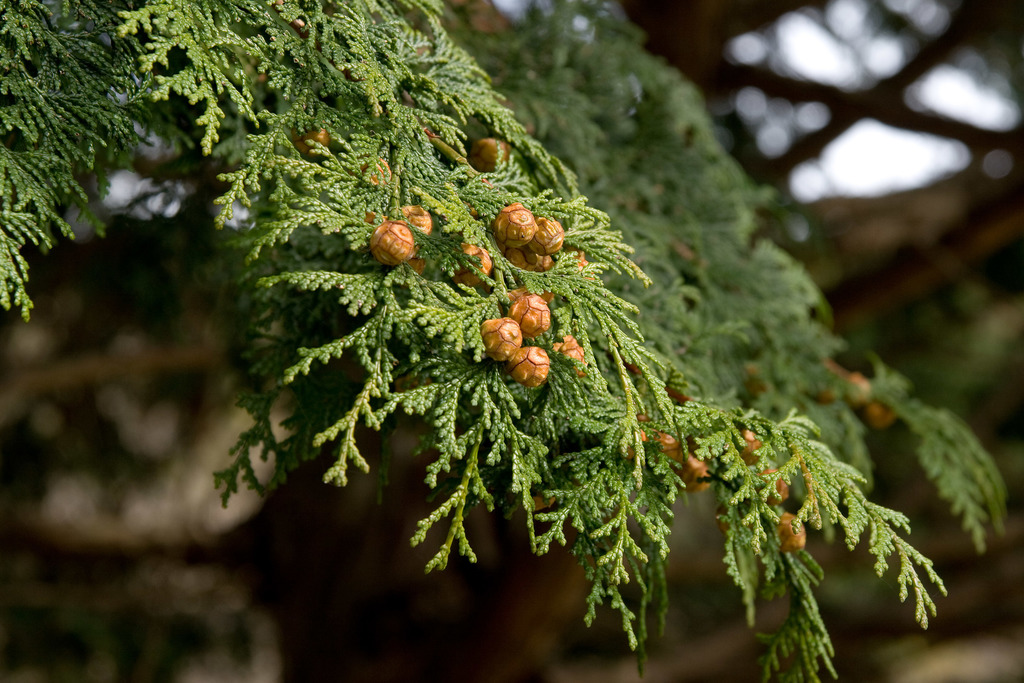
The Hinoki cypress is a beautiful, slow growing evergreen conifer known for its elegant, fan shaped foliage. It brings a refined, sculptural quality to any landscape or garden space. This tree is highly valued for its soft texture and rich, deep green color.
At a glance
- Care level
- Moderate
- Plant type
- Evergreen conifer
- Light
- Partial shade to full sun
- Indoor light
- Bright indirect
- Water
- Every 5 to 10 days
- Mature size
- 15 to 25 meters
- Growth rate
- Slow
- Hardiness
- USDA 4 to 8
- Bloom time
- Not applicable
Care
Keep the soil consistently moist but never waterlogged to ensure healthy root development. Watch for browning foliage, which often signals that the plant is too dry or exposed to harsh, drying winds. Provide a sheltered spot with protection from intense afternoon sun to keep the needles looking their best.
- Watering
- Maintain consistent soil moisture without letting the root ball dry out completely.
- Feeding
- Apply a balanced, slow release fertilizer during the active growing season.
- Pruning
- Lightly trim in late spring to maintain shape and remove any dead or damaged branches.
- Repotting
- Repot only when the root system has filled the container, using a well draining potting mix.
- Soil
- Moist, well draining, slightly acidic soil
- Soil pH
- Acidic to neutral
- Temperature
- -25 to 30°C
- Humidity
- 40 to 70%
- Drought tolerance
- Low
- Lifespan
- Long lived, often over 100 years.
- Fragrance
- Light
- Deer and rabbits
- Moderate
Signs it needs repotting
- roots circling the bottom of the pot
- water draining too quickly
- stunted growth
Safety
- People
- The plant is not considered toxic but may cause mild irritation if handled excessively.
- Pets
- This plant is generally considered non-toxic to cats and dogs.
- Children
- The small cones are a potential choking hazard for very young children.
- Contact allergens
- The foliage can cause mild skin irritation in sensitive individuals.
- Airborne allergens
- Pollen may trigger mild respiratory symptoms during the spring release.
- Edibility
- The foliage and cones are not for human consumption.
How to identify it
- Fan shaped, scale like foliage sprays
- Deep green, glossy leaf surface
- Small, globose woody cones
- Reddish brown, peeling bark
- Graceful, slightly drooping branch tips
- Height
- 2 to 15m
- Spread
- 1 to 6m
- Leaves
- dark green, bright green, evergreen
- Flowers
- 0cm
- Fruit
- brown, Autumn
Problems to watch for
- Juniper ScaleCommon
- PhytophthoraCommon
- BagwormsUncommon
- Leaf ScorchUncommon
- Root RotUncommon
- Spider MitesUncommon
- Twig BlightUncommon
- Mechanical DamageRare
Check your hinoki cypress from a photo
Pocket Botanist looks at a photo of your plant and tells you what's wrong and what to try first.
Scan with your phone's camera to get the app
Or go to pocketbotanist.app/get on your phone
Growing it
- Propagation
- cuttings, seed
- When to plant
- spring, autumn
- Overwintering
- Ensure the soil remains moist before the ground freezes. A layer of mulch helps protect the roots from extreme temperature fluctuations.
- In containers
- It is excellent for containers and is a classic choice for bonsai, requiring a pot at least 30 cm wide.
Cuttings
- Take 10 cm cuttings from semi hardwood in late summer.
- Remove lower needles and dip the base in rooting hormone.
- Place in a well draining mix and keep in a humid, bright spot.
- Transplant once roots are well established.
Plant in groups with moisture loving perennials to maintain a cool root zone.
Grows well with
- Japanese Maple · They share similar soil requirements and provide beautiful color contrast.
- Hostas · These shade lovers thrive under the canopy of the Hinoki cypress.
Similar species
- Sawara Cypress · It has a similar growth habit but with more feathery foliage.
Science
- Family
- Cupressaceae
- Genus
- Chamaecyparis
- Order
- Pinales
- Class
- Pinopsida
- Native range
- Japan and Taiwan.
- Conservation
- The species is considered near threatened in its native Japan due to habitat loss.
It thrives in cool, moist mountain forests with deep, well drained soil.
- Value to wildlife
- provides nesting cover, winter shelter for birds
- Uses
- ornamental specimen, bonsai, privacy screen, woodworking
Through the year
Ecological indicators
- Salinity
- 1/9
- Soil reaction
- 5/9
- Light
- 6/9
- Temperature
- 4/9
- Moisture
- 6/9
- Nutrients
- 5/9
Taxonomy resolved against GBIF.
Questions people ask
- Does it need full sun?
- It prefers full sun but appreciates some afternoon shade in hotter climates.
- How often should I water it?
- Keep the soil consistently moist but never waterlogged.
Where the name comes from
Chamaecyparis comes from the Greek for dwarf cypress, while obtusa refers to the blunt tips of the leaves.
Good to know
- The name Hinoki means fire tree in Japanese.
- It is one of the five sacred trees of Kiso.
- The wood has a distinct, pleasant lemon scent.
Keep your hinoki cypress growing
This page is a general guide. Save your plant in Pocket Botanist and you get care reminders timed for this plant, plus a care history that shows what worked.
Scan with your phone's camera to get the app
Or go to pocketbotanist.app/get on your phone
This guide was generated with AI on and checked against GBIF taxonomy. It is general information, not horticultural or veterinary advice. Read about how we build these guides.