 Pocket Botanist
Plant guide
Sawara cypress.
Chamaecyparis pisifera
Pronounced kam-ee-SIP-uh-ris pi-SIF-er-uh
Also known as Japanese false cypress, Sawara Cypress, Sawara false cypress, sawara-cypress



Scan with your phone's camera to get the app
Or go to pocketbotanist.app/get on your phone
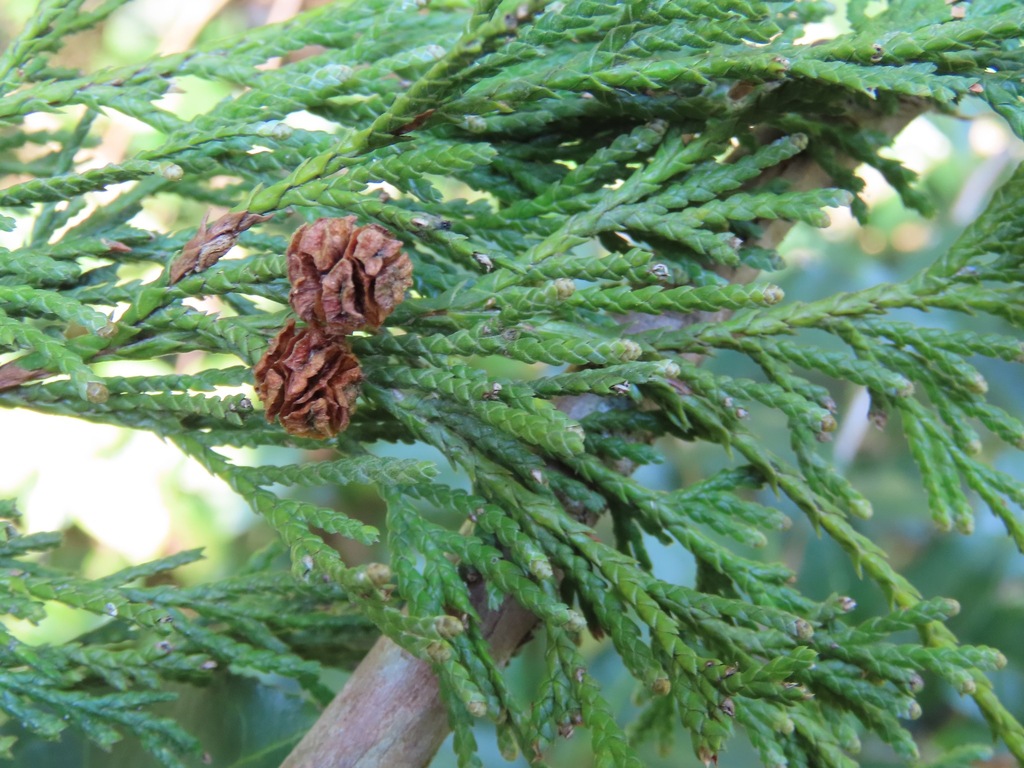
The Sawara cypress is an elegant evergreen conifer known for its soft, feathery foliage. It makes a lovely specimen tree in larger gardens or landscapes. You will enjoy its graceful, drooping branch tips as it matures.

At a glance
- Care level
- Moderate
- Plant type
- Coniferous evergreen tree
- Light
- Full sun to partial shade
- Indoor light
- Bright indirect
- Water
- Every 7 to 14 days
- Mature size
- 50 to 70 feet
- Growth rate
- Medium
- Hardiness
- USDA 4 to 8
- Bloom time
- Not applicable
Care
Keep the soil consistently moist but never waterlogged to prevent root issues. Watch for browning foliage, which often indicates the plant is too dry or exposed to harsh, drying winds. Provide a sheltered spot to protect its delicate needles from winter burn.
- Watering
- Water deeply whenever the top inch of soil feels dry to the touch.
- Feeding
- Apply a balanced, slow-release fertilizer once in early spring.
- Pruning
- Lightly trim in late spring to maintain shape or remove dead branches.
- Repotting
- Repot young specimens every few years to refresh the soil and provide room for roots.
- Soil
- Moist, well-draining, slightly acidic soil
- Soil pH
- 5.0 to 6.5
- Temperature
- -28 to 30°C
- Humidity
- 40 to 70%
- Drought tolerance
- Low
- Lifespan
- Long-lived perennial, often exceeding 50 years.
- Fragrance
- Light
- Deer and rabbits
- Moderate
Signs it needs repotting
- Roots growing out of the drainage holes.
- Water running straight through the pot without soaking in.
- Noticeable decline in growth rate.
Safety
- People
- The foliage can cause mild skin irritation in sensitive individuals upon contact.
- Children
- The small, woody cones could be a choking hazard for very young children if ingested.
- Contact allergens
- Handling the foliage may cause contact dermatitis in some people.
- Airborne allergens
- The pollen can be a mild respiratory irritant during the spring season.
- Edibility
- This plant is not intended for human consumption.
How to identify it
- Feathery, scale-like evergreen foliage
- Small, pea-sized woody cones
- Reddish-brown, peeling bark
- Graceful, pendulous branch tips
- Height
- 3 to 15m
- Spread
- 2 to 6m
- Leaves
- green, blue-green, gold, evergreen
- Flowers
- 0cm
- Fruit
- brown, Autumn
Problems to watch for
- Phytophthora root rot · A soil-borne pathogen that causes wilting and decline in poorly drained soils.
- Juniper scale · Small insects that suck sap from the foliage, causing yellowing and stunted growth.
Check your sawara cypress from a photo
Pocket Botanist looks at a photo of your plant and tells you what's wrong and what to try first.
Scan with your phone's camera to get the app
Or go to pocketbotanist.app/get on your phone
Growing it
- Propagation
- cuttings, seed
- When to plant
- spring, autumn
- Overwintering
- Ensure the soil remains moist before the ground freezes, as evergreen foliage continues to lose water in winter. A layer of mulch helps protect the shallow root system from extreme temperature fluctuations.
- In containers
- It grows well in large containers for several years, provided the pot has excellent drainage and is at least 50 centimeters wide.
Semi-hardwood cuttings
- Take 10 centimeter cuttings in late summer.
- Remove the lower needles and dip the base in rooting hormone.
- Place in a moist, well-draining potting mix.
- Cover with a plastic bag to maintain humidity.
- Keep in bright, indirect light until roots form.
Group this cypress with other moisture-loving plants to create a lush, woodland-inspired garden bed.
Grows well with
- Japanese Maple · They share similar soil and moisture requirements while providing a beautiful contrast in leaf texture.
- Hosta · Hostas thrive in the dappled shade provided by the cypress canopy.
Similar species
- Hinoki Cypress · It is a close relative with similar growth habits and cultural needs.
Science
- Family
- Cupressaceae
- Genus
- Chamaecyparis
- Order
- Pinales
- Class
- Pinopsida
- Native range
- Japan
- Conservation
- The species is listed as Least Concern by the IUCN, although logging and habitat loss have reduced some of its old forest stands in its native Japan.
It naturally grows in moist, well-drained mountain forests where it competes for light in the canopy.
- Value to wildlife
- provides winter cover for small birds
- Uses
- ornamental specimen, foundation planting, hedging, bonsai
Through the year
Ecological indicators
- Salinity
- 2/9
- Soil reaction
- 5/9
- Light
- 6/9
- Temperature
- 4/9
- Moisture
- 6/9
- Nutrients
- 5/9
Taxonomy resolved against GBIF.
Questions people ask
- Does it need full sun?
- It prefers full sun but appreciates some afternoon shade in hotter climates.
- How often should I water it?
- Keep the soil consistently moist but not waterlogged, especially during the first few years.
Where the name comes from
The genus name Chamaecyparis comes from Greek words meaning ground cypress, while pisifera refers to its pea-like cones.
Good to know
- The name pisifera refers to the pea-sized cones produced by the tree.
- Many popular cultivars like 'Boulevard' have juvenile, feathery foliage.
- It is a slow-growing tree that can live for many decades.
- The wood is fragrant and historically used for building temples in Japan.
Keep your sawara cypress growing
This page is a general guide. Save your plant in Pocket Botanist and you get care reminders timed for this plant, plus a care history that shows what worked.
Scan with your phone's camera to get the app
Or go to pocketbotanist.app/get on your phone
This guide was generated with AI on and checked against GBIF taxonomy. It is general information, not horticultural or veterinary advice. Read about how we build these guides.