 Pocket Botanist
Plant guide
Common Alder.
Alnus glutinosa (L.) Gaertn.
Pronounced AL-nus gloo-tin-OH-suh
Also known as Alder, Black Alder, Black Elder, Common alder, European Alder, European black alder


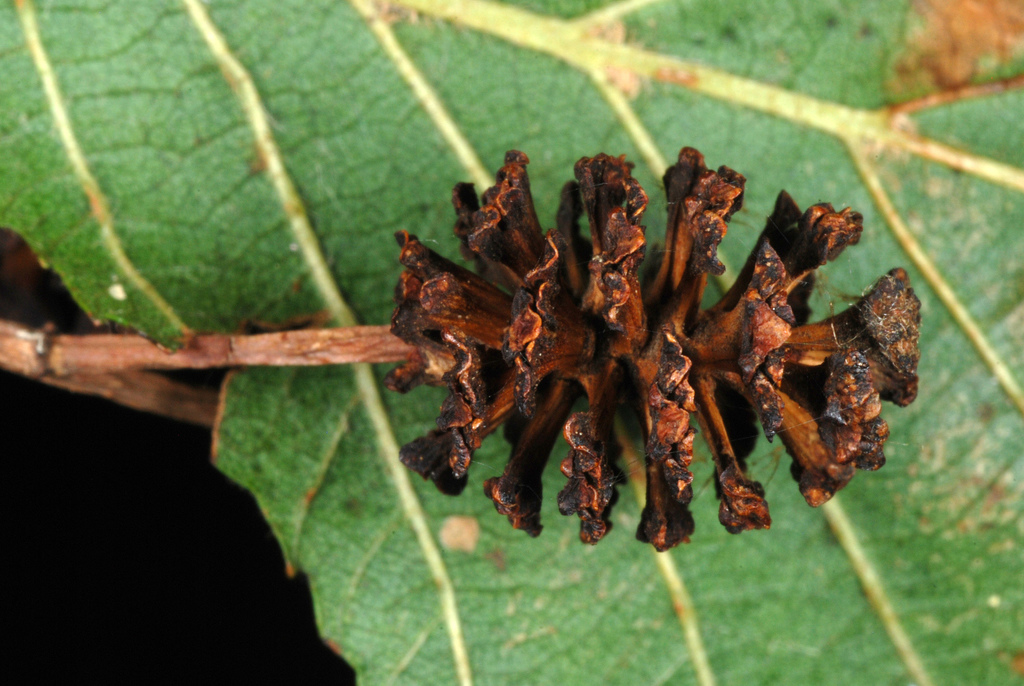
The common alder is a hardy, deciduous tree that loves damp soil near water. It is famous for its nitrogen fixing roots that help improve soil health. You will often see these trees thriving along riverbanks and in marshy areas.
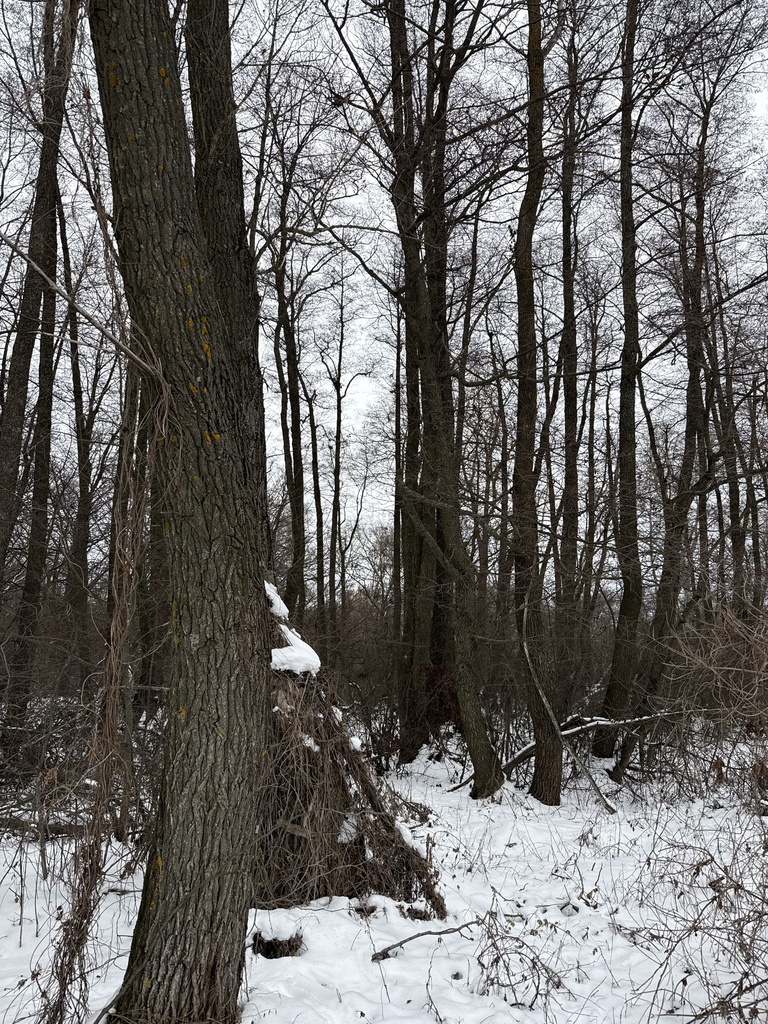
At a glance
- Care level
- Easy
- Plant type
- Deciduous tree
- Light
- Full sun to partial shade
- Indoor light
- Direct sun
- Water
- Every 1 to 3 days
- Mature size
- 20 to 30 meters
- Growth rate
- Fast
- Hardiness
- USDA 3 to 7
- Bloom time
- Early to mid spring
Care
Plant this tree in a spot with plenty of moisture and full sun. Keep an eye out for leaf miners or fungal issues if the tree is stressed by drought. It is a very low maintenance tree once it is established in the right site.
- Watering
- Keep the soil consistently moist as this tree does not tolerate drying out.
- Feeding
- Usually does not require fertilizer because it fixes its own nitrogen.
- Pruning
- Prune during the dormant winter season to remove dead or crossing branches.
- Repotting
- Only repot if growing in a container, otherwise it is best left in the ground.
- Soil
- Wet, boggy, or heavy clay soils
- Soil pH
- Acidic to neutral
- Temperature
- -30 to 35°C
- Humidity
- 40 to 90%
- Drought tolerance
- Low
- Lifespan
- Perennial, typically 60 to 100 years
- Deer and rabbits
- Moderate; young trees may be browsed by deer and rabbits, especially when other food is scarce.
Signs it needs repotting
- Roots circling densely around the inside of the pot.
- Water drains very slowly or not at all.
- Plant growth appears stunted despite adequate watering.
- Visible roots emerging from drainage holes.
Safety
- People
- The plant is not considered toxic to humans.
- Children
- The small, woody cones may pose a minor choking hazard if ingested by very small children.
- Contact allergens
- The sticky buds can leave a resinous residue on the skin.
- Airborne allergens
- The pollen is a common seasonal allergen for many people.
- Edibility
- The catkins and seeds are not considered edible for humans.
How to identify it
- Rounded leaves with notched tips
- Small woody cone like catkins
- Dark green glossy foliage
- Smooth greyish brown bark
- Height
- 15 to 25m
- Spread
- 8 to 12m
- Leaves
- dark green, deciduous
- Flowers
- yellow, brown, 2 to 8cm
- Fruit
- brown, Autumn
Problems to watch for
- Alder BeetleCommon
- PhytophthoraCommon
- CankerUncommon
- Leaf SpotUncommon
- Phytophthora root rot — A soil-borne pathogen that causes decline and death in waterlogged conditions.
Check your common alder from a photo
Pocket Botanist looks at a photo of your plant and tells you what's wrong and what to try first.
Growing it
- Propagation
- seed, cuttings
- When to plant
- spring, autumn
- Overwintering
- As a hardy deciduous tree, Alnus glutinosa requires no special overwintering care in the ground. In containers, ensure the root ball is protected from extreme freezes by mulching heavily or moving the pot to a sheltered location.
- In containers
- Not well-suited for containers due to its large size and preference for moist, expansive soil conditions.
Seed Propagation
- Collect mature 'cones' (strobiles) in fall or winter.
- Extract seeds and stratify them by keeping them in moist stratification for 2-3 months at cold temperatures (around 34-41°F or 1-5°C).
- Sow seeds in a well-draining, moist seed-starting mix in spring.
- Keep the soil consistently moist and provide light shade.
- Transplant seedlings once they are large enough to handle.
Cuttings
- Take semi-hardwood cuttings in mid-summer.
- Use a rooting hormone to improve success rates.
- Insert cuttings into a moist, well-draining rooting medium.
- Keep cuttings consistently moist and in a humid environment, such as under a mist system or in a propagator.
- Transplant rooted cuttings once they have developed a good root system.
Group these trees with other moisture-loving plants to create a functional wetland buffer zone.
Grows well with
- Yellow Flag Iris — They both thrive in the same wet, boggy soil conditions.
- Marsh Marigold — This plant provides a beautiful carpet of color beneath the alder canopy.
Similar species
- Grey Alder — It is a closely related species that prefers slightly drier soils.
Science
- Family
- Betulaceae
- Genus
- Alnus
- Order
- Fagales
- Class
- Magnoliopsida
- Native range
- Europe, Western Asia, and North Africa.
- Conservation
- This species is widespread and not currently of conservation concern.
It acts as a pioneer species in wet habitats, improving soil fertility through nitrogen fixation.
- Value to wildlife
- larval host plant, seed source for birds
- Pollinators
- bees, butterflies
- Uses
- wetland restoration, erosion control, timber production, ornamental specimen
Through the year
Ecological indicators
- Soil reaction
- 5/9
- Light
- 7/9
- Moisture
- 8/9
- Salinity
- 2/9
- Temperature
- 5/9
- Nutrients
- 5/9
Taxonomy resolved against GBIF.
Questions people ask
- Can I plant this in a dry garden?
- No, it requires consistently moist or wet soil to thrive.
- How fast does it grow?
- It is a fast-growing tree, especially in its youth.
Where the name comes from
The specific epithet glutinosa refers to the sticky, resinous nature of the young buds and leaves.
Good to know
- It thrives in waterlogged soils where many other trees would struggle.
- The wood is highly resistant to decay when kept permanently submerged in water.
- It was historically used to make piles for building foundations in Venice.
- The leaves often remain green until they drop in late autumn.
Keep your common alder growing
This page is a general guide. Save your plant in Pocket Botanist and you get care reminders timed for this plant, plus a care history that shows what worked.
This guide was generated with AI and checked against GBIF taxonomy. It is general information, not horticultural or veterinary advice. Read about how we build these guides.