 Pocket Botanist
Plant guide
Yellow flag iris.
Iris pseudacorus L.
Pronounced EYE-ris soo-dack-OR-us
Also known as Flag Iris


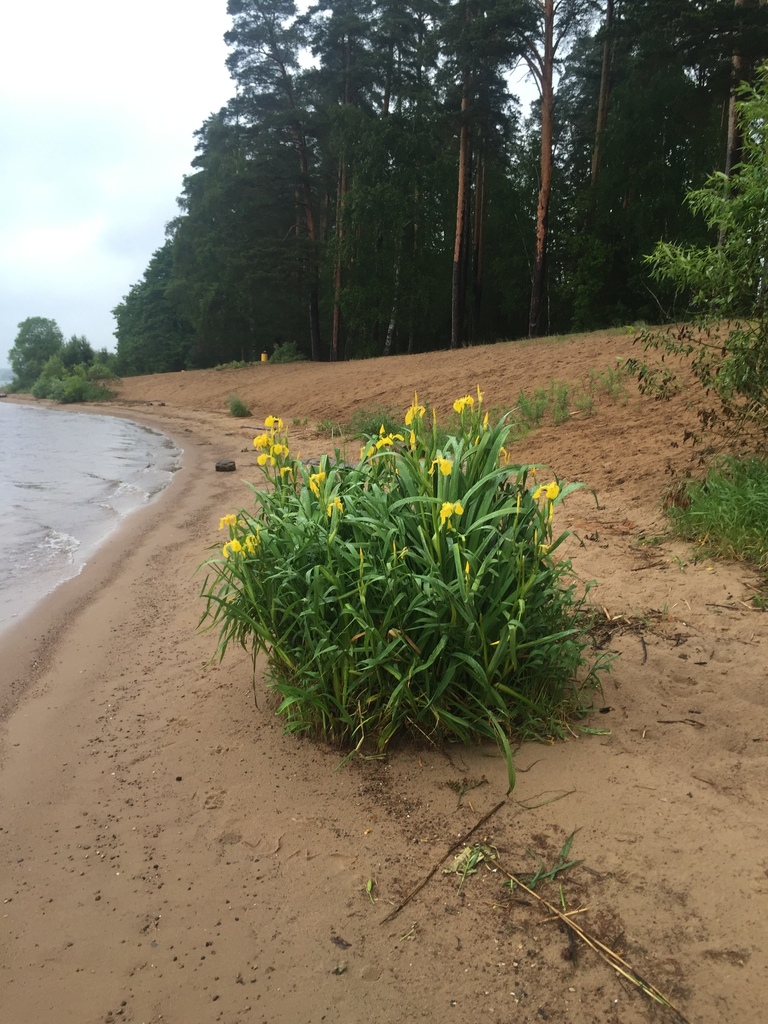
This hardy perennial is a fantastic choice for water gardens or damp areas in your yard. It produces striking yellow flowers that really brighten up a landscape. Just keep in mind that it can spread quite aggressively in the right conditions.

At a glance
- Care level
- Easy
- Plant type
- Perennial
- Light
- Full sun to partial shade
- Indoor light
- Bright indirect
- Water
- Every 1 to 3 days
- Mature size
- 3 to 5 feet
- Growth rate
- Fast
- Hardiness
- USDA 4 to 9
- Bloom time
- Late spring to early summer
Care
Keep the soil consistently moist or even submerged in shallow water. Watch for yellowing leaves which can indicate the plant is too dry. You should remove spent flower stalks to keep the plant looking tidy.
- Watering
- Ensure the soil remains constantly wet or keep the base in shallow water.
- Feeding
- Apply a balanced aquatic plant fertilizer during the active growing season.
- Pruning
- Cut back the foliage to the ground in late autumn after the leaves die back.
- Repotting
- Divide the rhizomes every few years to prevent the plant from becoming overcrowded.
- Soil
- Wet, boggy, or clay soils
- Soil pH
- 6.0 to 7.5
- Temperature
- -25 to 35°C
- Humidity
- 60 to 100%
- Drought tolerance
- Low
- Lifespan
- Perennial, typically 10 plus years.
- Deer and rabbits
- High
Signs it needs repotting
- Roots growing out of the drainage holes.
- The plant stops flowering due to overcrowding.
- The rhizome has pushed itself out of the soil.
Safety
- People
- The sap can cause skin irritation and the rhizomes are poisonous if eaten.
- Pets
- This plant is toxic to cats and dogs if ingested.
- Children
- Keep children away from this plant as the leaves and rhizomes are toxic if chewed or swallowed.
- Contact allergens
- The sap contains calcium oxalate crystals which may cause skin irritation upon contact.
- Airborne allergens
- There is no significant evidence of respiratory allergies associated with this species.
- Edibility
- All parts of this plant are toxic if ingested and can cause severe digestive distress.
How to identify it
- Bright yellow flowers with brown markings
- Long sword shaped green leaves
- Grows in clumps from thick rhizomes
- Seed pods are large and green
- Height
- 0.9 to 1.5m
- Spread
- 0.6 to 1.2m
- Leaves
- green, deciduous
- Flowers
- yellow, 8 to 12cm
- Fruit
- brown, Late summer
Problems to watch for
- Iris BorerCommon
- Leaf SpotCommon
- Soft RotUncommon
- Water Lily AphidUncommon
By symptom
Check your yellow flag iris from a photo
Pocket Botanist looks at a photo of your plant and tells you what's wrong and what to try first.
Growing it
- Propagation
- division, seed
- When to plant
- spring, autumn
- Overwintering
- Cut back dead foliage to the ground in late autumn. The rhizomes are hardy and will survive freezing temperatures while submerged.
- In containers
- It grows well in aquatic pots submerged in water features, provided the pot is at least 30 centimeters wide.
Division
- 1. Lift the clump in early autumn.
- 2. Use a sharp knife to cut the rhizome into sections.
- 3. Ensure each section has healthy roots and a fan of leaves.
- 4. Replant immediately in wet soil or water.
Group this iris with other moisture loving plants to create a balanced bog garden ecosystem.
Grows well with
- Marsh Marigold — They share similar requirements for wet, boggy soil.
- Purple Loosestrife — They provide a classic color contrast in wetland settings.
Similar species
- Sweet Flag — It has similar foliage and habitat preferences but lacks the showy yellow flowers.
Science
- Family
- Iridaceae
- Genus
- Iris
- Order
- Asparagales
- Class
- Liliopsida
- Native range
- Europe, Western Asia, and Northwest Africa.
- Conservation
- It is considered an invasive weed in many parts of North America and New Zealand due to its aggressive spread.
It thrives in marshes, riverbanks, and pond edges where its rhizomes can remain submerged.
- Value to wildlife
- nectar source
- Pollinators
- bees
- Uses
- ornamental pond plant, wetland restoration, water garden accent
Through the year
Ecological indicators
- Light
- 7/9
- Moisture
- 9/9
- Nutrients
- 6/9
- Salinity
- 2/9
- Soil reaction
- 5/9
- Temperature
- 5/9
Taxonomy resolved against GBIF.
Questions people ask
- Can I plant this in a regular garden bed?
- It prefers very moist or boggy soil and will struggle in standard dry garden conditions.
- How do I control its spread?
- Remove seed pods before they mature and divide clumps regularly to prevent overcrowding.
Where the name comes from
The name pseudacorus means false acorus, referring to its resemblance to the sweet flag plant, Acorus calamus.
Good to know
- It is known as the yellow flag iris.
- It can grow in water up to 25 centimeters deep.
- The rhizomes were historically used to make ink and dyes.
- It is a symbol of the French monarchy.
Also in
Keep your yellow flag iris growing
This page is a general guide. Save your plant in Pocket Botanist and you get care reminders timed for this plant, plus a care history that shows what worked.
This guide was generated with AI and checked against GBIF taxonomy. It is general information, not horticultural or veterinary advice. Read about how we build these guides.