 Pocket Botanist
Guía de plantas
Yellow flag iris.
Iris pseudacorus L.
Pronunciación EYE-ris soo-dack-OR-us
También se conoce como Iris de bandera


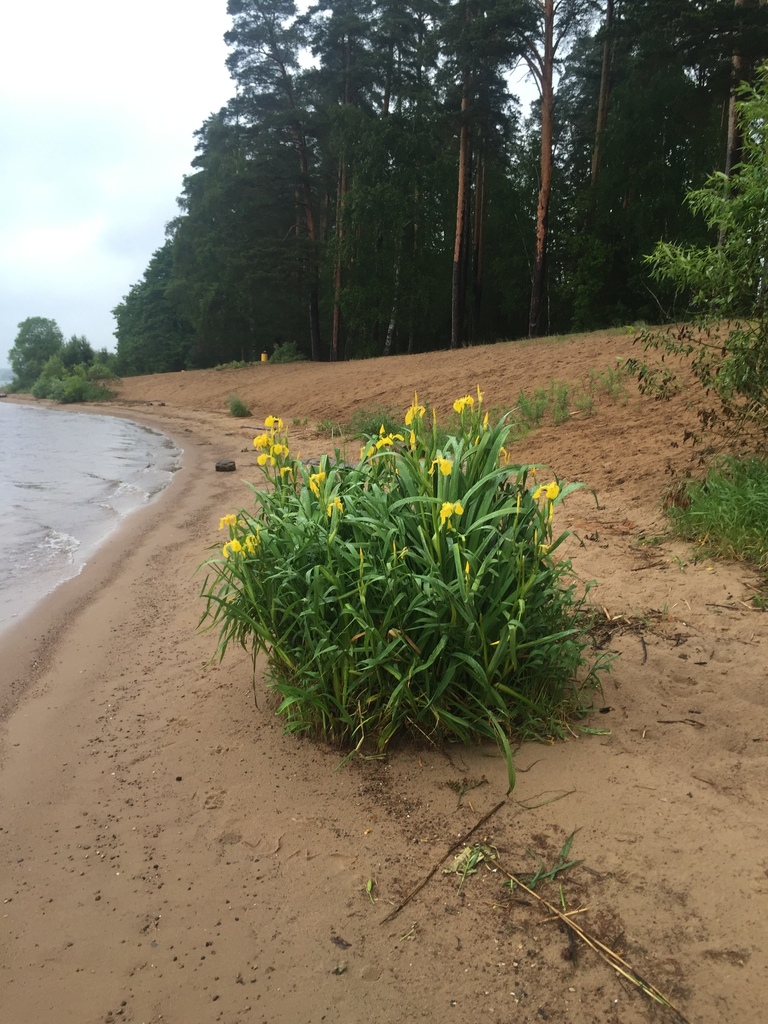
Esta planta perenne resistente es una opción fantástica para jardines acuáticos o áreas húmedas en tu patio. Produce llamativas flores amarillas que realmente alegran el paisaje. Ten en cuenta que puede extenderse de forma bastante agresiva en las condiciones adecuadas.

De un vistazo
- Nivel de cuidados
- Fácil
- Tipo de planta
- Perenne
- Luz
- Pleno sol a sombra parcial
- Luz en interior
- Luz indirecta brillante
- Riego
- Cada 1 a 3 días
- Tamaño adulto
- 3 a 5 pies
- Ritmo de crecimiento
- Rápido
- Rusticidad
- USDA 4 a 9
- Floración
- Finales de primavera a principios de verano
Cuidados
Mantén la tierra constantemente húmeda o incluso sumergida en agua poco profunda. Observa si las hojas se amarillean, lo que puede indicar que la planta está demasiado seca. Debes retirar los tallos de flores marchitas para mantener la planta ordenada.
- Riego
- Asegúrate de que la tierra permanezca constantemente húmeda o mantén la base en agua poco profunda.
- Abonado
- Aplica un fertilizante equilibrado para plantas acuáticas durante la temporada de crecimiento activo.
- Poda
- Recorta el follaje hasta el suelo a finales de otoño, después de que las hojas se sequen.
- Trasplante
- Divide los rizomas cada pocos años para evitar que la planta se sature.
- Suelo
- Suelos húmedos, pantanosos o arcillosos
- pH del suelo
- 6.0 a 7.5
- Temperatura
- -25 a 35°C
- Humedad
- 60 a 100%
- Tolerancia a la sequía
- Baja
- Longevidad
- Perenne, típicamente 10 años o más.
- Resistencia a ciervos y conejos
- Alta
Señales de que necesita trasplante
- Las raíces crecen fuera de los orificios de drenaje.
- La planta deja de florecer debido al amontonamiento.
- El rizoma se ha empujado fuera de la tierra.
Seguridad
- Personas
- La savia puede causar irritación en la piel y los rizomas son venenosos si se comen.
- Mascotas
- Esta planta es tóxica para gatos y perros si se ingiere.
- Niños
- Mantén a los niños alejados de esta planta, ya que las hojas y los rizomas son tóxicos si se mastican o tragan.
- Alérgenos por contacto
- La savia contiene cristales de oxalato de calcio que pueden causar irritación en la piel al contacto.
- Alérgenos en el aire
- No hay evidencia significativa de alergias respiratorias asociadas con esta especie.
- Comestibilidad
- Todas las partes de esta planta son tóxicas si se ingieren y pueden causar graves molestias digestivas.
Cómo identificarla
- Flores amarillo brillante con marcas marrones
- Hojas verdes largas en forma de espada
- Crece en matas a partir de rizomas gruesos
- Vainas de semillas grandes y verdes
- Altura
- 0,9 a 1,5m
- Anchura
- 0,6 a 1,2m
- Hojas
- verde, caducifolio
- Flores
- amarillo, 8 a 12cm
- Frutos
- marrón, Finales de verano
Problemas a vigilar
- Barrenador del lirioComún
- Manchas foliaresComún
- Podredumbre blandaPoco común
- Pulgón de los nenúfaresPoco común
- Taladrador del iris — Las orugas excavan túneles en los rizomas, causando pudrición y el declive de la planta.
- Mancha foliar — Infección fúngica que causa manchas marrones en el follaje durante las estaciones húmedas.
Por síntoma
Revisa tu yellow flag iris con una foto
Pocket Botanist mira una foto de tu planta y te dice qué le pasa y qué probar primero.
Cómo cultivarla
- Propagación
- división, semilla
- Cuándo plantar
- primavera, otoño
- Cuidados en invierno
- Recorta el follaje muerto hasta el suelo a finales de otoño. Los rizomas son resistentes y sobrevivirán a las temperaturas bajo cero mientras están sumergidos.
- En maceta
- Crece bien en macetas acuáticas sumergidas en elementos de agua, siempre que la maceta tenga al menos 30 centímetros de ancho.
División
- 1. Saca el matojo a principios de otoño.
- 2. Usa un cuchillo afilado para cortar el rizoma en secciones.
- 3. Asegúrate de que cada sección tenga raíces sanas y un abanico de hojas.
- 4. Replanta inmediatamente en tierra húmeda o agua.
Agrupa este iris con otras plantas amantes de la humedad para crear un ecosistema de jardín de pantano equilibrado.
Buenas compañeras
- Caltha palustris — Comparten requisitos similares de suelo húmedo y pantanoso.
- salicaria morada — Proporcionan un contraste de color clásico en entornos de humedales.
Especies parecidas
- Acorus calamus — Tiene follaje y preferencias de hábitat similares, pero carece de las vistosas flores amarillas.
Ciencia
- Familia
- Iridaceae
- Género
- Iris
- Orden
- Asparagales
- Clase
- Liliopsida
- Distribución natural
- Europa, Asia Occidental y África del Noroeste.
- Conservación
- Se considera una maleza invasora en muchas partes de América del Norte y Nueva Zelanda debido a su agresiva propagación.
Prospera en marismas, riberas y bordes de estanques donde sus rizomas pueden permanecer sumergidos.
- Valor para la fauna
- fuente de néctar
- Polinizadores
- abejas
- Usos
- planta ornamental de estanques, restauración de humedales, acento para jardines acuáticos
A lo largo del año
Indicadores ecológicos
- Luz
- 7/9
- Humedad
- 9/9
- Nutrientes
- 6/9
- Salinidad
- 2/9
- Reacción del suelo
- 5/9
- Temperatura
- 5/9
Taxonomía cotejada con GBIF.
Lo que más preguntan
- ¿Puedo plantar esto en un parterre normal?
- Prefiere tierra muy húmeda o pantanosa y le costará en condiciones normales de jardín seco.
- ¿Cómo controlo su propagación?
- Retira las vainas de las semillas antes de que maduren y divide los matojos regularmente para evitar que se amontonen.
De dónde viene el nombre
El nombre pseudacorus significa falso acorus, refiriéndose a su parecido con la planta de cálamo aromático, Acorus calamus.
Bueno saberlo
- Se le conoce como el lirio iris amarillo.
- Puede crecer en agua hasta 25 centímetros de profundidad.
- Los rizomas se usaban históricamente para hacer tinta y tintes.
- Es un símbolo de la monarquía francesa.
También en
Que tu yellow flag iris siga creciendo
Esta página es una guía general. Guarda tu planta en Pocket Botanist y tendrás recordatorios de cuidado pensados para esta planta, además de un historial de cuidados que muestra qué ha funcionado.
Esta guía se ha generado con IA y se ha cotejado con la taxonomía de GBIF. Es información general, no asesoramiento botánico ni veterinario. Descubre cómo elaboramos estas guías.