 Pocket Botanist
Guía de plantas
Aliso común.
Alnus glutinosa (L.) Gaertn.
Pronunciación AL-nus gloo-tin-OH-suh
También se conoce como Aliso, Aliso negro, Aliso europeo, Aliso negro europeo


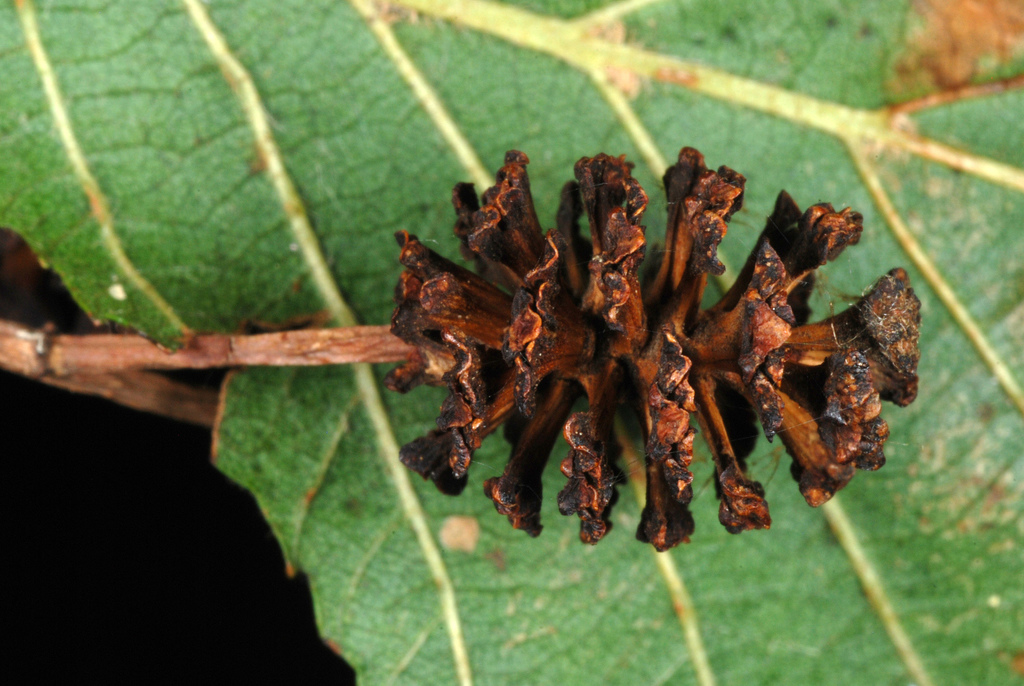
El aliso común es un árbol resistente y de hoja caduca que ama la tierra húmeda cerca del agua. Es famoso por sus raíces fijadoras de nitrógeno que ayudan a mejorar la salud del suelo. A menudo verás estos árboles prosperando a lo largo de las riberas de los ríos y en áreas pantanosas.
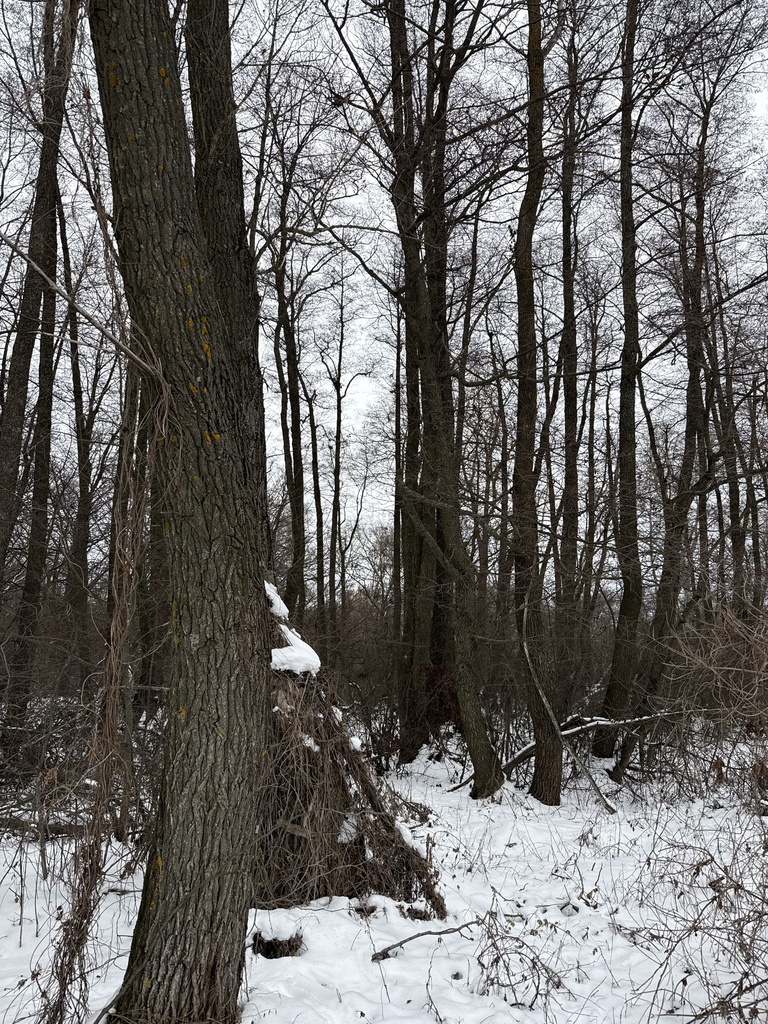
De un vistazo
- Nivel de cuidados
- Fácil
- Tipo de planta
- Árbol de hoja caduca
- Luz
- Pleno sol a sombra parcial
- Luz en interior
- Sol directo
- Riego
- Cada 1 a 3 días
- Tamaño adulto
- 20 a 30 metros
- Ritmo de crecimiento
- Rápido
- Rusticidad
- USDA 3 a 7
- Floración
- Principios a mediados de primavera
Cuidados
Planta este árbol en un lugar con mucha humedad y pleno sol. Vigila las minas de hojas o los problemas fúngicos si el árbol sufre estrés por sequía. Es un árbol de muy bajo mantenimiento una vez que se establece en el lugar correcto.
- Riego
- Mantén la tierra constantemente húmeda, ya que este árbol no tolera que se seque.
- Abonado
- Generalmente no requiere fertilizante porque fija su propio nitrógeno.
- Poda
- Poda durante la temporada de invierno inactiva para eliminar ramas muertas o cruzadas.
- Trasplante
- Solo trasplanta si está en maceta, de lo contrario es mejor dejarlo en el suelo.
- Suelo
- Suelos húmedos, pantanosos o de arcilla pesada
- pH del suelo
- Ácido a neutro
- Temperatura
- -30 a 35°C
- Humedad
- 40 a 90%
- Tolerancia a la sequía
- Baja
- Longevidad
- Perenne, típicamente de 60 a 100 años
- Resistencia a ciervos y conejos
- Moderate; young trees may be browsed by deer and rabbits, especially when other food is scarce.
Señales de que necesita trasplante
- Raíces circulando densamente por el interior de la maceta.
- El agua drena muy lentamente o no drena en absoluto.
- El crecimiento de la planta parece atrofiado a pesar de un riego adecuado.
- Raíces visibles saliendo por los agujeros de drenaje.
Seguridad
- Personas
- La planta no se considera tóxica para los humanos.
- Niños
- Las pequeñas piñas leñosas pueden suponer un pequeño riesgo de asfixia si son ingeridas por niños muy pequeños.
- Alérgenos por contacto
- Los brotes pegajosos pueden dejar un residuo resinoso en la piel.
- Alérgenos en el aire
- El polen es un alérgeno estacional común para muchas personas.
- Comestibilidad
- Los amentos y las semillas no se consideran comestibles para los humanos.
Cómo identificarla
- Hojas redondeadas con puntas melladas
- Pequeños amentos leñosos parecidos a conos
- Follaje verde oscuro y brillante
- Corteza grisácea marrón y lisa
- Altura
- 15 a 25m
- Anchura
- 8 a 12m
- Hojas
- verde oscuro, caducifolio
- Flores
- amarillo, marrón, 2 a 8cm
- Frutos
- marrón, Otoño
Problemas a vigilar
- Galeruca del alisoComún
- PhytophthoraComún
- ChancroPoco común
- Manchas foliaresPoco común
- Escarabajo del aliso — Las larvas y los adultos se alimentan del follaje, causando esqueletización.
- Pudrición de raíz por Phytophthora — Un patógeno transmitido por el suelo que causa declive y muerte en condiciones de encharcamiento.
Por síntoma
Revisa tu aliso común con una foto
Pocket Botanist mira una foto de tu planta y te dice qué le pasa y qué probar primero.
Cómo cultivarla
- Propagación
- semilla, esquejes
- Cuándo plantar
- primavera, otoño
- Cuidados en invierno
- Como árbol caducifolio resistente, Alnus glutinosa no requiere cuidados especiales de invernada en el suelo. En macetas, asegúrate de que el cepellón esté protegido de heladas extremas mulching abundantemente o moviendo la maceta a un lugar resguardado.
- En maceta
- No es muy adecuado para macetas debido a su gran tamaño y preferencia por condiciones de suelo húmedas y expansivas.
Propagación por Semilla
- Recolecta 'conos' maduros (estróbilos) en otoño o invierno.
- Extrae las semillas y estratifícalas manteniéndolas en estratificación húmeda durante 2-3 meses a bajas temperaturas (alrededor de 1-5 °C).
- Siembra las semillas en una mezcla para semilleros húmeda y bien drenada en primavera.
- Mantén la tierra constantemente húmeda y proporciona sombra ligera.
- Trasplanta los plantones una vez que sean lo suficientemente grandes para manipularlos.
Esquejes
- Toma esquejes semiduros a mediados de verano.
- Usa una hormona de enraizamiento para mejorar las tasas de éxito.
- Inserta los esquejes en un medio de enraizamiento húmedo y bien drenado.
- Mantén los esquejes constantemente húmedos y en un ambiente húmedo, como bajo un sistema de niebla o en un propagador.
- Trasplanta los esquejes enraizados una vez que hayan desarrollado un buen sistema de raíces.
Agrupa estos árboles con otras plantas amantes de la humedad para crear una zona de amortiguación funcional de humedales.
Buenas compañeras
- Yellow flag iris — Ambos prosperan en las mismas condiciones de suelo húmedo y pantanoso.
- Caltha palustris — Esta planta proporciona una hermosa alfombra de color bajo el dosel del aliso.
Especies parecidas
- Aliso gris — Es una especie estrechamente relacionada que prefiere suelos ligeramente más secos.
Ciencia
- Familia
- Betulaceae
- Género
- Alnus
- Orden
- Fagales
- Clase
- Magnoliopsida
- Distribución natural
- Europa, Asia Occidental y África del Norte.
- Conservación
- Esta especie está muy extendida y no es motivo de preocupación de conservación actualmente.
Actúa como una especie pionera en hábitats húmedos, mejorando la fertilidad del suelo a través de la fijación de nitrógeno.
- Valor para la fauna
- planta hospedadora de larvas, fuente de semillas para aves
- Polinizadores
- abejas, mariposas
- Usos
- restauración de humedales, control de la erosión, producción de madera, ejemplar ornamental
A lo largo del año
Indicadores ecológicos
- Reacción del suelo
- 5/9
- Luz
- 7/9
- Humedad
- 8/9
- Salinidad
- 2/9
- Temperatura
- 5/9
- Nutrientes
- 5/9
Taxonomía cotejada con GBIF.
Lo que más preguntan
- ¿Puedo plantar esto en un jardín seco?
- No, requiere suelo constantemente húmedo o mojado para prosperar.
- ¿Qué tan rápido crece?
- Es un árbol de crecimiento rápido, especialmente en su juventud.
De dónde viene el nombre
El epíteto específico glutinosa se refiere a la naturaleza pegajosa y resinosa de los brotes y hojas jóvenes.
Bueno saberlo
- Prospera en suelos encharcados donde muchos otros árboles tendrían dificultades.
- La madera es muy resistente a la putrefacción si se mantiene permanentemente sumergida en agua.
- Históricamente se usaba para hacer pilotes para cimientos en Venecia.
- Las hojas a menudo permanecen verdes hasta que caen a finales de otoño.
Que tu aliso común siga creciendo
Esta página es una guía general. Guarda tu planta en Pocket Botanist y tendrás recordatorios de cuidado pensados para esta planta, además de un historial de cuidados que muestra qué ha funcionado.
Esta guía se ha generado con IA y se ha cotejado con la taxonomía de GBIF. Es información general, no asesoramiento botánico ni veterinario. Descubre cómo elaboramos estas guías.