 Pocket Botanist
Guide botanique
Aulne commun.
Alnus glutinosa (L.) Gaertn.
Prononciation AL-nus gloo-tin-OH-suh
Aussi appelée Aulne, Aulne glutineux, Black Elder, Common alder, Verne, European black alder


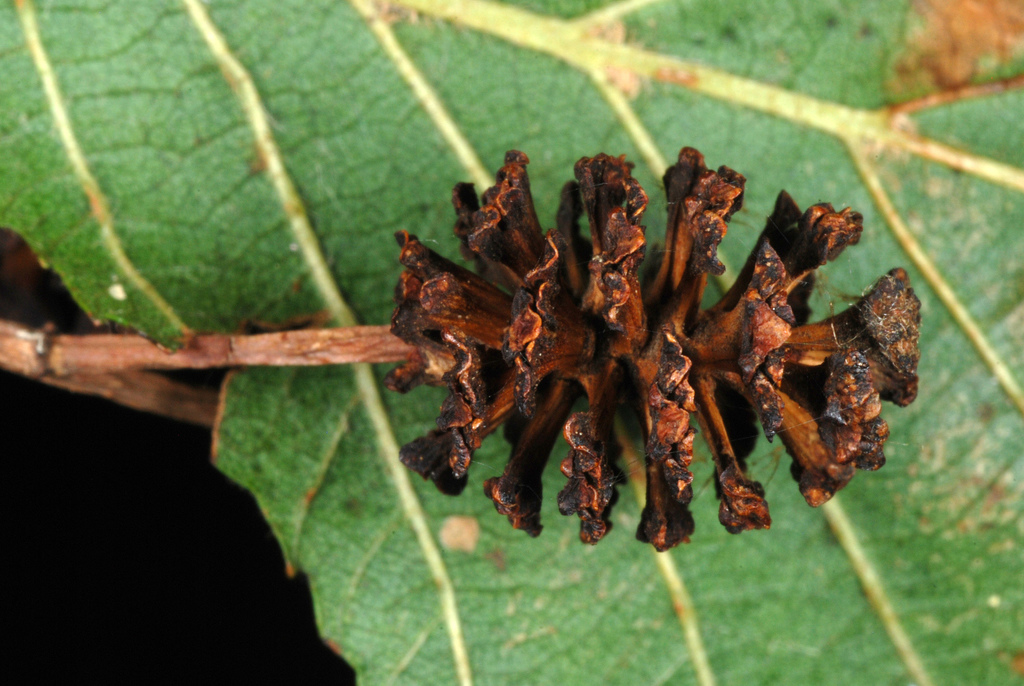
L'aulne commun est un arbre à feuilles caduques et résistant, qui aime les sols humides près de l'eau. Il est célèbre pour ses racines fixatrices d'azote qui aident à améliorer la santé du sol. Vous verrez souvent ces arbres prospérer le long des rives et dans les zones marécageuses.
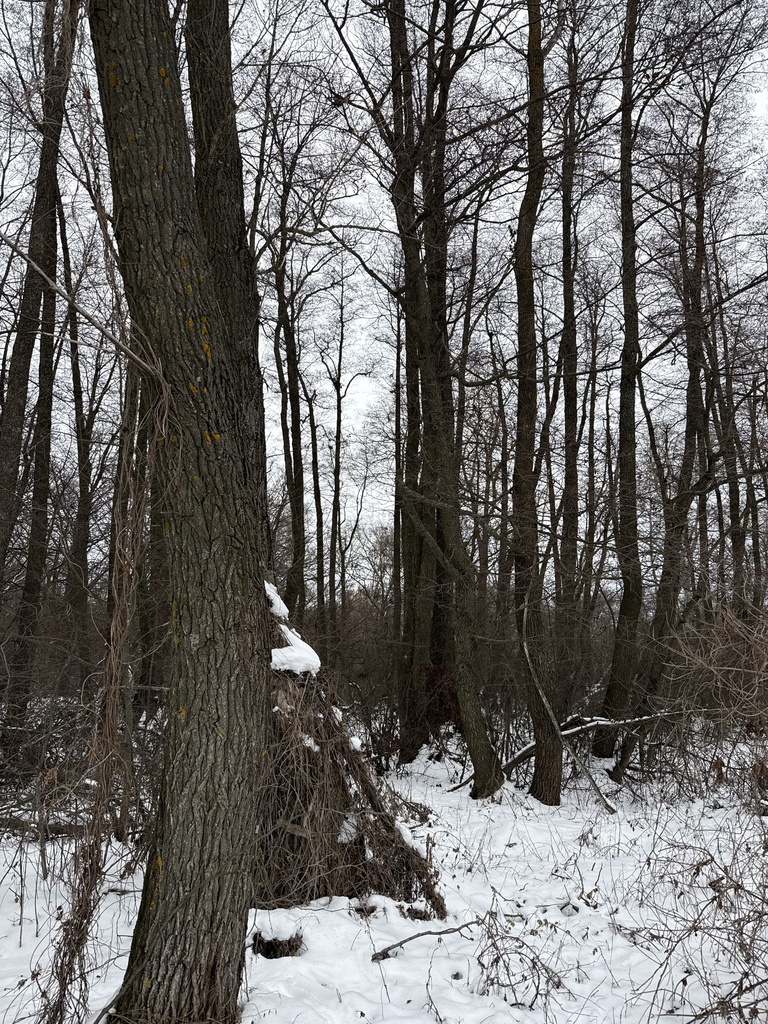
En un coup d'œil
- Niveau d'entretien
- Facile
- Type de plante
- Arbre à feuilles caduques
- Lumière
- Plein soleil à ombre partielle
- Lumière en intérieur
- Soleil direct
- Arrosage
- Tous les 1 à 3 jours
- Taille adulte
- 20 à 30 mètres
- Croissance
- Rapide
- Rusticité
- USDA 3 à 7
- Floraison
- Début à mi-printemps
Entretien
Plantez cet arbre dans un endroit avec beaucoup d'humidité et le plein soleil. Gardez un œil sur les mineuses ou les problèmes fongiques si l'arbre est stressé par la sécheresse. C'est un arbre à très faible entretien une fois qu'il est bien établi sur le bon site.
- Arrosage
- Gardez le sol constamment humide car cet arbre ne tolère pas le dessèchement.
- Engrais
- Ne nécessite généralement pas d'engrais car il fixe son propre azote.
- Taille
- Taillez pendant la saison d'hiver dormante pour enlever les branches mortes ou croisées.
- Rempotage
- Rempotez uniquement si vous cultivez en conteneur, sinon il est préférable de le laisser en pleine terre.
- Sol
- Sols humides, marécageux ou argileux lourds
- pH du sol
- Acide à neutre
- Température
- -30 à 35°C
- Humidité
- 40 à 90%
- Résistance à la sécheresse
- Faible
- Durée de vie
- Vivace, généralement 60 à 100 ans
- Résistance aux chevreuils et lapins
- Moderate; young trees may be browsed by deer and rabbits, especially when other food is scarce.
Signes qu'il faut rempoter
- Les racines s'enroulent densément à l'intérieur du pot.
- L'eau s'écoule très lentement, voire pas du tout.
- La croissance de la plante semble ralentie malgré un arrosage adéquat.
- Des racines visibles émergent des trous de drainage.
Sécurité
- Humains
- La plante n'est pas considérée comme toxique pour l'homme.
- Enfants
- Les petits cônes ligneux peuvent présenter un léger risque d'étouffement s'ils sont ingérés par de très jeunes enfants.
- Allergènes de contact
- Les bourgeons collants peuvent laisser un résidu résineux sur la peau.
- Allergènes aéroportés
- Le pollen est un allergène saisonnier courant pour de nombreuses personnes.
- Comestibilité
- Les chatons et les graines ne sont pas considérés comme comestibles pour l'homme.
Comment l'identifier
- Feuilles arrondies avec des pointes échancrées
- Petits chatons ligneux ressemblant à des cônes
- Feuillage vert foncé brillant
- Écorce lisse grisâtre brune
- Hauteur
- 15 à 25m
- Envergure
- 8 à 12m
- Feuilles
- vert foncé, caduc
- Fleurs
- jaune, brun, 2 à 8cm
- Fruits
- brun, Automne
Problèmes à surveiller
- Galéruque de l'aulneCourant
- PhytophthoraCourant
- ChancrePeu courant
- Taches foliairesPeu courant
- Tenthrède de l'aune — Les larves et les adultes se nourrissent du feuillage, provoquant sa squelettisation.
- Pourriture des racines à Phytophthora — Un pathogène transmis par le sol qui provoque le dépérissement et la mort dans des conditions détrempées.
Par symptôme
Vérifie la santé de ta plante en photo
Pocket Botanist analyse une photo de ta plante et te dit ce qui ne va pas et quoi essayer en premier.
La cultiver
- Multiplication
- semis, boutures
- Quand planter
- printemps, automne
- Hivernage
- En tant qu'arbre décidue rustique, l'Alnus glutinosa ne nécessite aucun soin spécial d'hivernage en pleine terre. En conteneur, assurez-vous que la motte est protégée des fortes gelées en paillant abondamment ou en déplaçant le pot dans un endroit abrité.
- En pot
- Mal adapté aux conteneurs en raison de sa grande taille et de sa préférence pour des conditions de sol humides et expansives.
Propagation par semis
- Collectez les 'cônes' matures (strobiles) en automne ou en hiver.
- Extrayez les graines et stratifiez-les en les gardant dans une stratification humide pendant 2 à 3 mois à des températures froides (environ 1 à 5 °C).
- Semez les graines dans un mélange pour semis bien drainant et humide au printemps.
- Gardez le sol constamment humide et offrez une ombre légère.
- Transplantez les semis une fois qu'ils sont assez grands pour être manipulés.
Boutures
- Prenez des boutures semi-aoûtées à la mi-été.
- Utilisez une hormone d'enracinement pour améliorer les taux de réussite.
- Insérez les boutures dans un milieu d'enracinement humide et bien drainant.
- Gardez les boutures constamment humides et dans un environnement humide, comme sous un système de brumisation ou dans un propagateur.
- Transplantez les boutures racinées une fois qu'elles ont développé un bon système racinaire.
Groupez ces arbres avec d'autres plantes aimant l'humidité pour créer une zone tampon fonctionnelle de zone humide.
Bonnes associations
- Iris des marais jaune — Ils prospèrent tous deux dans les mêmes conditions de sol humide et marécageux.
- Caltha des marais — Cette plante offre un beau tapis de couleur sous la canopée de l'aune.
Espèces similaires
- Aulne gris — C'est une espèce étroitement apparentée qui préfère les sols légèrement plus secs.
Science
- Famille
- Betulaceae
- Genre
- Alnus
- Ordre
- Fagales
- Classe
- Magnoliopsida
- Région d'origine
- Europe, Asie occidentale et Afrique du Nord.
- Préservation
- Cette espèce est répandue et n'est actuellement pas une préoccupation pour la conservation.
Il agit comme une espèce pionnière dans les habitats humides, améliorant la fertilité du sol grâce à la fixation de l'azote.
- Intérêt pour la faune
- plante hôte pour les larves, source de graines pour les oiseaux
- Pollinisateurs
- abeilles, papillons
- Utilisations
- restauration des zones humides, lutte contre l'érosion, production de bois d'œuvre, spécimen ornemental
Au fil des saisons
Repères écologiques
- Réaction du sol
- 5/9
- Lumière
- 7/9
- Humidité
- 8/9
- Salinité
- 2/9
- Température
- 5/9
- Nutriments
- 5/9
Taxonomie vérifiée avec le GBIF.
Ce qu'on demande souvent
- Puis-je planter cet arbre dans un jardin sec ?
- Non, il nécessite un sol constamment humide ou détrempé pour prospérer.
- Quelle est la vitesse de sa croissance ?
- C'est un arbre à croissance rapide, surtout dans sa jeunesse.
D'où vient le nom
L'épithète spécifique glutinosa fait référence à la nature collante et résineuse des jeunes bourgeons et feuilles.
Bon à savoir
- Il prospère dans les sols gorgés d’eau où de nombreux autres arbres auraient du mal.
- Le bois est très résistant à la pourriture s'il est maintenu en permanence immergé dans l'eau.
- Il a été historiquement utilisé pour fabriquer des pilotis pour les fondations de bâtiments à Venise.
- Les feuilles restent souvent vertes jusqu'à ce qu'elles tombent à la fin de l'automne.
Garde ta plante en pleine forme
Cette page est un guide général. Enregistre ta plante dans Pocket Botanist et tu reçois des rappels d'entretien adaptés à cette plante, ainsi qu'un historique d'entretien qui montre ce qui a marché.
Ce guide a été généré par IA et vérifié avec la taxonomie du GBIF. Il s'agit d'informations générales, et non de conseils horticoles ou vétérinaires. Découvre comment nous concevons ces guides.