 Pocket Botanist
Plant guide
Heather.
Calluna vulgaris
Pronounced kuh-LOO-nuh vul-GAIR-iss
Also known as Common Heather, Heather, Heather, Ling


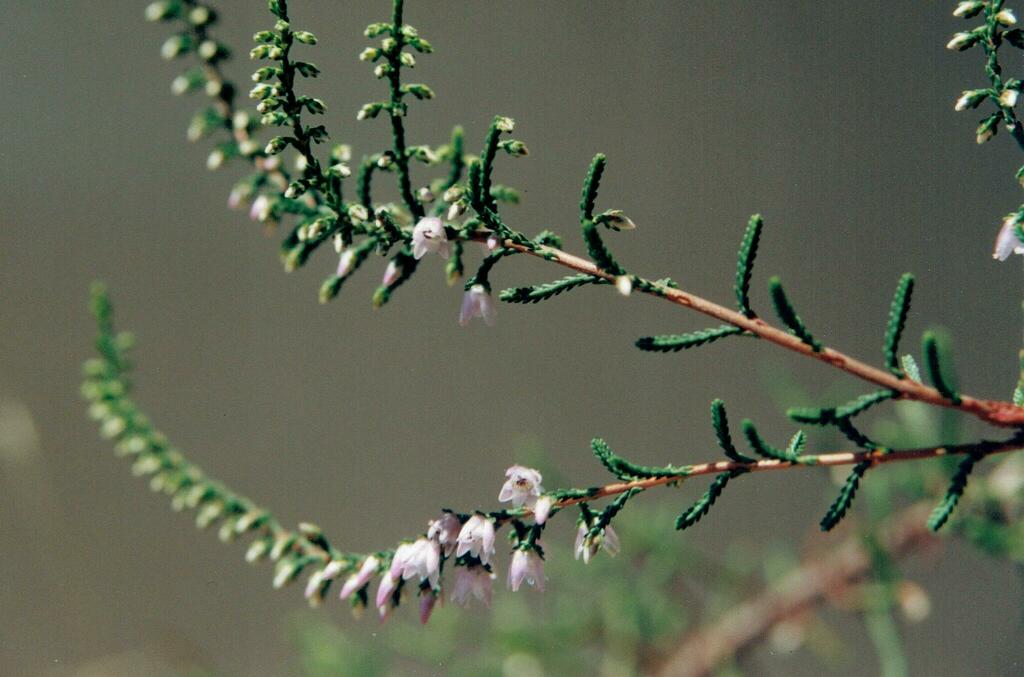
Heather is a charming, low growing shrub that brings a touch of the wild moors to your garden. It thrives in acidic soil and loves a sunny spot. You will enjoy its tiny, bell shaped flowers that bloom in late summer.
At a glance
- Care level
- Moderate
- Plant type
- Evergreen shrub
- Light
- Full sun
- Indoor light
- Direct sun
- Water
- Every 3 to 7 days
- Mature size
- 60 cm tall and 80 cm wide
- Growth rate
- Slow
- Hardiness
- USDA 4 to 7
- Bloom time
- Late summer to mid autumn
Care
Keep the soil consistently moist but never waterlogged to prevent root rot. Prune back the spent flower spikes after blooming to keep the plant tidy and encourage fresh growth. Watch for yellowing leaves which often signals that the soil pH is too high.
- Watering
- Water when the top inch of soil feels dry to the touch.
- Feeding
- Apply a slow release fertilizer for acid loving plants in early spring.
- Pruning
- Trim back the old flower heads in late autumn or early spring.
- Repotting
- Repot only when the plant has become root bound in its container.
- Soil
- Sandy, acidic, well draining
- Soil pH
- Acidic
- Temperature
- -25 to 30°C
- Humidity
- 40 to 70%
- Drought tolerance
- Moderate
- Lifespan
- Perennial, typically 10 to 15 years
- Fragrance
- Light
- Deer and rabbits
- Moderate
Signs it needs repotting
- Roots growing out of the drainage holes
- Water running straight through the pot
- Stunted growth during the active season
Safety
- People
- The plant is generally considered non-toxic to humans.
- Children
- The plant is safe for children, though the stems can be slightly scratchy to touch.
- Contact allergens
- The foliage can cause mild skin irritation in sensitive individuals due to fine hairs.
- Airborne allergens
- Pollen can trigger hay fever symptoms in sensitive individuals during the late summer flowering period.
- Edibility
- While not toxic, it is not considered a food source and may cause digestive upset if consumed.
How to identify it
- Tiny scale like evergreen leaves
- Dense spikes of bell shaped flowers
- Low growing woody shrub habit
- Small leaves arranged in opposite pairs
- Height
- 0.2 to 0.6m
- Spread
- 0.3 to 0.7m
- Leaves
- dark green, grey green, bronze, evergreen
- Flowers
- pink, purple, white, 0.3 to 0.5cm
Problems to watch for
- Heather BeetleCommon
- PhytophthoraCommon
- Leaf ScorchUncommon
- Root RotUncommon
By symptom
Check your heather from a photo
Pocket Botanist looks at a photo of your plant and tells you what's wrong and what to try first.
Growing it
- Propagation
- cuttings, division, seed
- When to plant
- spring, autumn
- Overwintering
- In colder regions, apply a layer of mulch around the base to protect roots from deep freezes. Ensure the soil does not become waterlogged during winter thaw cycles.
- In containers
- Heather grows well in containers at least 20 cm wide, provided you use an ericaceous compost mix.
Softwood Cuttings
- Take 5 cm cuttings in late summer.
- Remove the lower leaves.
- Dip in rooting hormone.
- Place in a sandy, acidic medium.
- Keep moist until rooted.
Group plants with similar acidic soil needs to ensure they all thrive without competition for nutrients.
Grows well with
- Erica — They share similar cultural requirements and bloom at different times to extend the season.
- Dwarf Conifers — They provide a beautiful evergreen structural contrast to the low-growing heather.
- Blue Fescue — The blue foliage complements the pink and purple tones of the heather flowers.
Similar species
- Winter Heath — It is a related plant that blooms in winter rather than late summer.
Science
- Family
- Ericaceae
- Genus
- Calluna
- Order
- Ericales
- Class
- Magnoliopsida
- Native range
- Europe, Western Asia, and North Africa.
- Conservation
- It is widespread and not of conservation concern.
It dominates acidic, nutrient-poor heathlands where it survives by forming symbiotic relationships with mycorrhizal fungi.
- Value to wildlife
- nectar source, winter shelter for insects
- Pollinators
- bees, butterflies
- Uses
- groundcover, rock gardens, heather beds, container displays
Through the year
Ecological indicators
- Soil reaction
- 3/9
- Moisture
- 4/9
- Nutrients
- 2/9
- Salinity
- 2/9
- Light
- 8/9
- Temperature
- 4/9
Taxonomy resolved against GBIF.
Questions people ask
- Does heather need pruning?
- Yes, light pruning after flowering keeps the plant compact and prevents it from becoming woody.
- Can I grow heather in a pot?
- Absolutely, as long as you use an acidic potting mix and ensure excellent drainage.
Where the name comes from
The genus name Calluna comes from the Greek word kalluno, meaning to sweep, referring to its historical use in making brooms. The specific epithet vulgaris simply means common.
Good to know
- Heather is traditionally used to make brooms in parts of Scotland.
- It is a symbol of good luck in many cultures.
- The plant thrives in acidic, nutrient-poor soil where many others struggle.
- It is the national flower of Norway.
Keep your heather growing
This page is a general guide. Save your plant in Pocket Botanist and you get care reminders timed for this plant, plus a care history that shows what worked.
This guide was generated with AI and checked against GBIF taxonomy. It is general information, not horticultural or veterinary advice. Read about how we build these guides.