 Pocket Botanist
Guía de plantas
Brezo.
Calluna vulgaris
Pronunciación kuh-LOO-nuh vul-GAIR-iss
También se conoce como Brezo común, Brezo, Bruc


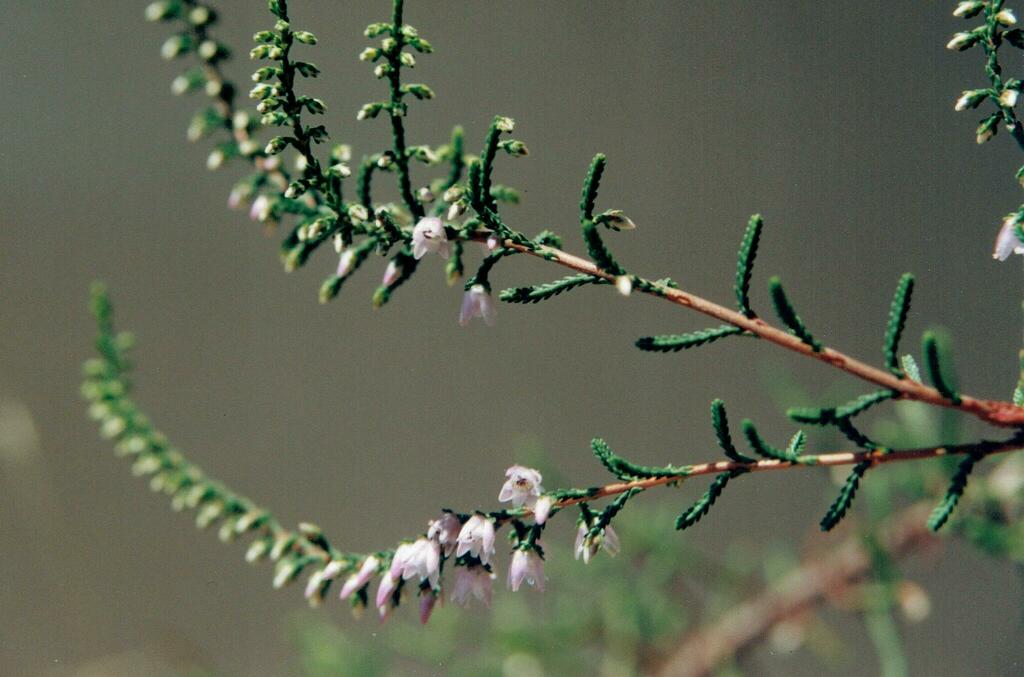
El brezo es un arbusto encantador y de bajo crecimiento que aporta un toque de los páramos salvajes a tu jardín. Prospera en suelos ácidos y le encanta un lugar soleado. Disfrutarás de sus diminutas flores en forma de campana que florecen a finales del verano.
De un vistazo
- Nivel de cuidados
- Media
- Tipo de planta
- Arbusto perenne
- Luz
- Pleno sol
- Luz en interior
- Sol directo
- Riego
- Cada 3 a 7 días
- Tamaño adulto
- 60 cm de alto y 80 cm de ancho
- Ritmo de crecimiento
- Lento
- Rusticidad
- USDA 4 a 7
- Floración
- Finales de verano a mediados de otoño
Cuidados
Mantén la tierra constantemente húmeda pero nunca encharcada para prevenir la pudrición de las raíces. Poda los picos de flores marchitas después de la floración para mantener la planta ordenada y fomentar un crecimiento nuevo. Presta atención a las hojas amarillentas, que a menudo indican que el pH del suelo es demasiado alto.
- Riego
- Riega cuando la pulgada superior de la tierra se sienta seca al tacto.
- Abonado
- Aplica un fertilizante de liberación lenta para plantas acidófilas a principios de primavera.
- Poda
- Recorta las viejas cabezas de flores a finales de otoño o principios de primavera.
- Trasplante
- Trasplanta solo cuando la planta tenga las raíces apretadas en su contenedor.
- Suelo
- Arenoso, ácido, bien drenado
- pH del suelo
- Ácido
- Temperatura
- -25 a 30°C
- Humedad
- 40 a 70%
- Tolerancia a la sequía
- Moderada
- Longevidad
- Perenne, típicamente de 10 a 15 años
- Fragancia
- Suave
- Resistencia a ciervos y conejos
- Moderada
Señales de que necesita trasplante
- Raíces saliendo de los agujeros de drenaje
- El agua pasa directamente a través de la maceta
- Crecimiento atrofiado durante la temporada activa
Seguridad
- Personas
- La planta generalmente se considera no tóxica para los humanos.
- Niños
- La planta es segura para los niños, aunque los tallos pueden ser un poco ásperos al tacto.
- Alérgenos por contacto
- El follaje puede causar una leve irritación de la piel en personas sensibles debido a los finos pelos.
- Alérgenos en el aire
- El polen puede desencadenar síntomas de fiebre del heno en personas sensibles durante el período de floración de finales de verano.
- Comestibilidad
- Aunque no es tóxica, no se considera una fuente de alimento y puede causar malestar digestivo si se consume.
Cómo identificarla
- Diminutas hojas perennes escamosas
- Densas espigas de flores en forma de campana
- Hábito de arbusto leñoso de bajo crecimiento
- Hojas pequeñas dispuestas en pares opuestos
- Altura
- 0,2 a 0,6m
- Anchura
- 0,3 a 0,7m
- Hojas
- verde oscuro, verde grisáceo, bronceado, perenne
- Flores
- rosa, morado, blanco, 0,3 a 0,5cm
Problemas a vigilar
- Crisomela del brezoComún
- PhytophthoraComún
- Podredumbre radicularPoco común
- Quemadura foliarPoco común
- Pudrición de raíz por Phytophthora — Un patógeno transmitido por el suelo que causa marchitez súbita y muerte en suelos mal drenados.
- Escarabajo del brezo — Las larvas se alimentan del follaje, a menudo causando un bronceado y sequedad significativos.
Por síntoma
Revisa tu brezo con una foto
Pocket Botanist mira una foto de tu planta y te dice qué le pasa y qué probar primero.
Cómo cultivarla
- Propagación
- esquejes, división, semilla
- Cuándo plantar
- primavera, otoño
- Cuidados en invierno
- En regiones más frías, aplica una capa de mantillo alrededor de la base para proteger las raíces de las heladas profundas. Asegúrate de que el suelo no se sature de agua durante los ciclos de deshielo invernal.
- En maceta
- El brezo crece bien en macetas de al menos 20 cm de ancho, siempre que utilices una mezcla de compost ericáceo.
Esquejes de madera blanda
- Toma esquejes de 5 cm a finales de verano.
- Retira las hojas inferiores.
- Dipea en hormona de enraizamiento.
- Coloca en un medio ácido y arenoso.
- Mantén húmedo hasta que enraíce.
Agrupa plantas con necesidades de suelo ácido similares para asegurar que todas prosperen sin competir por los nutrientes.
Buenas compañeras
- Erica — Comparten requisitos culturales similares y florecen en diferentes momentos para extender la temporada.
- Picea glauca 'Conica' — Proporcionan un hermoso contraste estructural perenne al brezo de bajo crecimiento.
- Festuca azul — El follaje azul complementa los tonos rosados y morados de las flores de brezo.
Especies parecidas
- Brezo de invierno — Es una planta relacionada que florece en invierno en lugar de finales de verano.
Ciencia
- Familia
- Ericaceae
- Género
- Calluna
- Orden
- Ericales
- Clase
- Magnoliopsida
- Distribución natural
- Europa, Asia Occidental y el Norte de África.
- Conservación
- Está muy extendido y no es motivo de preocupación para la conservación.
Domina brezales ácidos y pobres en nutrientes donde sobrevive formando relaciones simbióticas con hongos micorrícicos.
- Valor para la fauna
- fuente de néctar, refugio invernal para insectos
- Polinizadores
- abejas, mariposas
- Usos
- cubresuelos, jardines de rocas, parterres de brezo, exhibiciones en contenedores
A lo largo del año
Indicadores ecológicos
- Reacción del suelo
- 3/9
- Humedad
- 4/9
- Nutrientes
- 2/9
- Salinidad
- 2/9
- Luz
- 8/9
- Temperatura
- 4/9
Taxonomía cotejada con GBIF.
Lo que más preguntan
- ¿Necesita poda el brezo?
- Sí, una poda ligera después de la floración mantiene la planta compacta y evita que se vuelva leñosa.
- ¿Puedo cultivar brezo en una maceta?
- Absolutamente, siempre que utilices una mezcla ácida para macetas y asegures un excelente drenaje.
De dónde viene el nombre
El nombre del género Calluna proviene de la palabra griega kalluno, que significa barrer, refiriéndose a su uso histórico en la fabricación de escobas. El epíteto específico vulgaris simplemente significa común.
Bueno saberlo
- El brezo se usa tradicionalmente para hacer escobas en algunas partes de Escocia.
- Es un símbolo de buena suerte en muchas culturas.
- La planta prospera en suelos ácidos y pobres en nutrientes donde muchas otras luchan.
- Es la flor nacional de Noruega.
Que tu brezo siga creciendo
Esta página es una guía general. Guarda tu planta en Pocket Botanist y tendrás recordatorios de cuidado pensados para esta planta, además de un historial de cuidados que muestra qué ha funcionado.
Esta guía se ha generado con IA y se ha cotejado con la taxonomía de GBIF. Es información general, no asesoramiento botánico ni veterinario. Descubre cómo elaboramos estas guías.