 Pocket Botanist
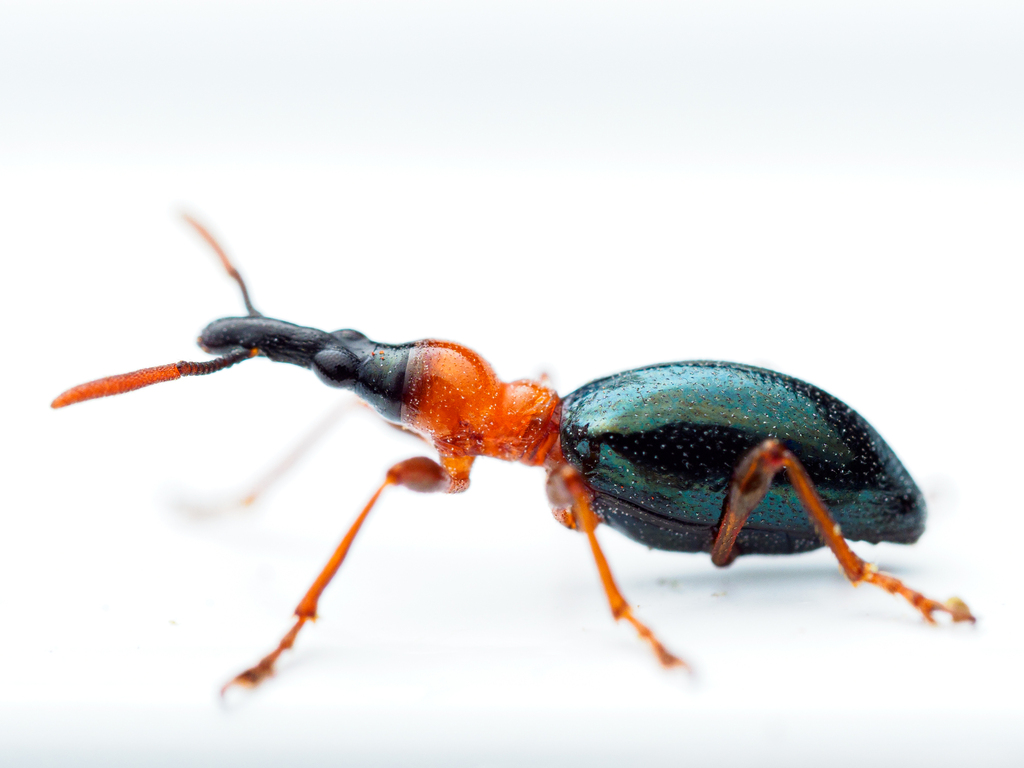
Symptoms by part
Stems
You will see small entry holes along the vines, often accompanied by yellowing or stunted growth of the foliage.
Roots
The tubers will show internal tunneling and cavities filled with frass, often resulting in a dark, bitter, and foul smelling flesh that is inedible.
Causes
- Planting infested sweet potato slips or cuttings.
- Leaving crop debris in the soil after harvest.
- Growing sweet potatoes in the same location year after year.
- Warm temperatures that allow for continuous breeding cycles.
Could be confused with
- Wireworms · Wireworms create clean, narrow holes in the skin of the tuber without the extensive internal tunneling and bitter taste associated with weevil larvae.
- Sweet Potato Scab · Scab causes raised, corky spots on the leaves and vines, not on the tubers, and it never makes the deep, frass filled tunnels caused by weevil larvae.
Find out what's really wrong with your plant
Problems that look alike are easy to mix up. Pocket Botanist looks at a photo of your actual plant and tells you what's going on, how serious it is, and what to try first. Identification and a health check are free.



Scan with your phone's camera to get the app
Or go to pocketbotanist.app/get on your phone
Treatment
- Remove and destroy all infested vines and tubers immediately to prevent further spread.
- Harvest all tubers as soon as they reach maturity to minimize the time they are exposed to egg laying adults.
- Clear all plant debris and volunteer sweet potato plants from the garden bed after harvest to eliminate overwintering sites.
Without chemicals
- Use only certified pest free slips for planting.
- Practice crop rotation by waiting 3 to 4 years before planting sweet potatoes in the same spot.
- Hill soil around the base of the plants to cover exposed tubers and make it harder for adults to reach them.
- Install pheromone traps to capture adult weevils and reduce the breeding population.
Preventing it
- Always source planting material from reputable, pest free suppliers.
- Deeply plow or turn the soil after harvest to expose any remaining larvae or pupae to predators.
- Maintain a clean garden by removing all weeds that may serve as alternative hosts for the weevils.
- Use physical barriers or row covers early in the season to prevent adult weevils from reaching the plants.
Season
The warm growing season.
Spread risk
High
Severity
High
When to act
Act as soon as you spot adult weevils or entry holes on the vines. If the infestation is widespread and the tubers are heavily tunneled, remove and destroy the entire crop to protect future plantings.
Keep your plants healthy from here
Save your plants in Pocket Botanist and you get care reminders timed for each one, plus a care history that shows what worked. Identification and a health check are free.
Questions people ask
- Are sweet potatoes safe to eat if they have weevils?
- No, the tunnels and frass left by the larvae create a bitter, unpleasant taste and can introduce secondary rot, making the tubers inedible.
- Can I compost the infested vines?
- It is best not to compost infested material, as the weevils can survive in the pile and reinfest your garden. Burn or bag and dispose of them in the trash instead.
- How far do these weevils travel?
- Adult weevils are capable of flying, but they often spread through the movement of infested plant material or by moving from old crop debris to new plantings nearby.
Plants it affects
Answers plant by plant
This guide was generated with AI on and is general information, not horticultural advice. Read about how we build these guides.