 Pocket Botanist
Symptoms by part
Leaves
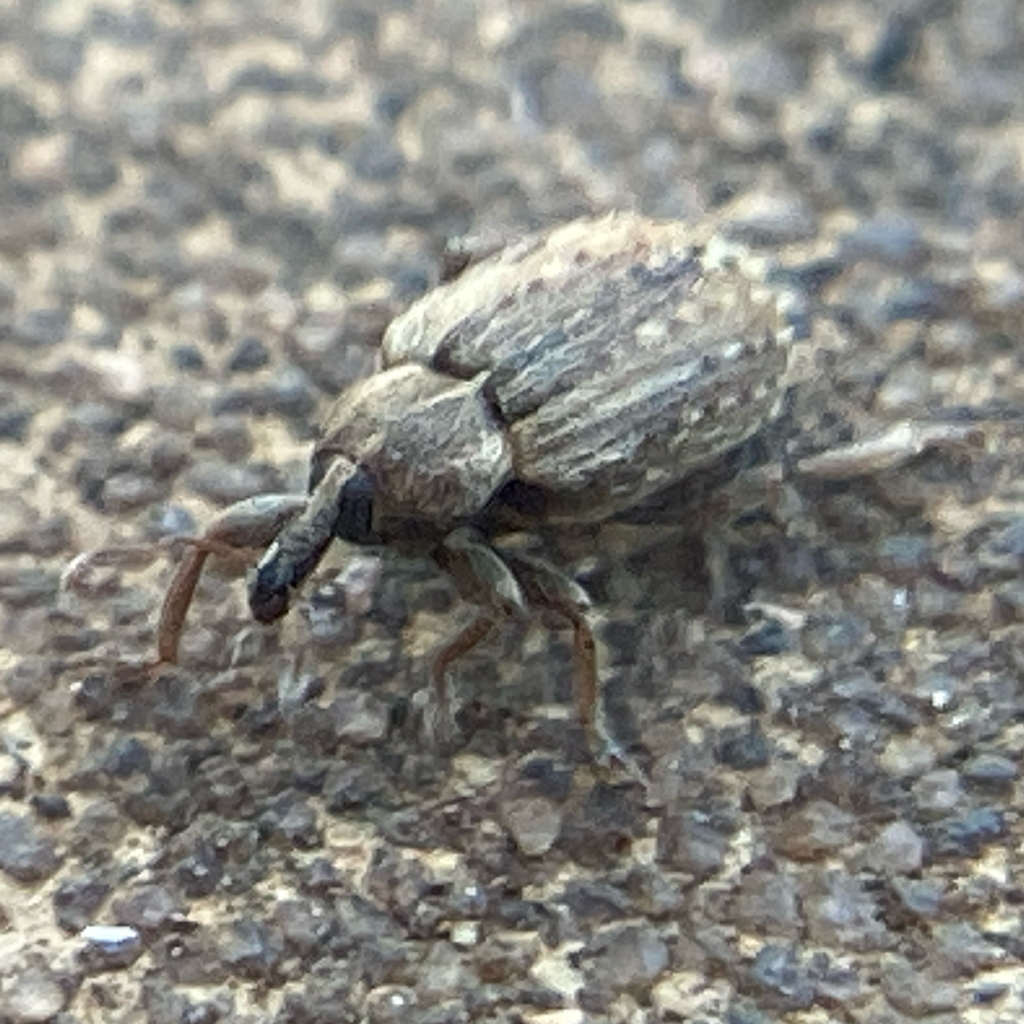
Young larvae create tiny pinhole punctures in the developing leaves at the growing tips. As they grow, they consume the leaf tissue between the veins, leaving behind a skeletonized or shredded appearance.
Causes
- Mild winters that allow adult weevils to survive in high numbers.
- Early spring temperatures that trigger egg hatching just as new foliage emerges.
- Dense plant stands that provide a sheltered environment for larvae to feed undisturbed.
Could be confused with
- Clover Leaf Weevil · Clover leaf weevil larvae are much larger and typically feed at night, whereas alfalfa weevil larvae are smaller and feed openly during the day.
- Pea Leaf Weevil · Pea leaf weevil damage appears as notched edges on leaves rather than the skeletonized, hole-riddled pattern caused by alfalfa weevil larvae.
Find out what's really wrong with your plant
Problems that look alike are easy to mix up. Pocket Botanist looks at a photo of your actual plant and tells you what's going on, how serious it is, and what to try first. Identification and a health check are free.



Scan with your phone's camera to get the app
Or go to pocketbotanist.app/get on your phone
Treatment
- 1. Harvest the crop early if the larvae have reached a damaging threshold to remove their food source.
- 2. Apply spinosad to the foliage during the early larval stages to disrupt their feeding, follow the label.
- 3. Apply pyrethrins to the affected foliage if the infestation is severe and immediate knockdown is required, follow the label.
Without chemicals
- Early harvesting of the first cutting to starve the larvae.
- Encouraging natural predators like parasitic wasps in the garden.
- Removing plant debris from the base of the plants after harvest to reduce overwintering sites.
Chemical options
- Spinosad, apply as a spray to the leaves when larvae are small, follow the label.
- Pyrethrins, apply as a contact spray to the foliage, follow the label.
Preventing it
- Rotate crops to non-legume species to break the life cycle.
- Maintain vigorous plant health through proper soil fertility to help plants outgrow minor feeding.
- Clear away old plant material in late autumn to eliminate overwintering adults.
Season
The warm growing season, specifically starting in early spring when temperatures rise.
Spread risk
High
Severity
High
When to act
Act as soon as you notice pinhole damage on the tips of the leaves in spring. If the damage covers more than half of the foliage, immediate intervention is necessary to save the crop.
Keep your plants healthy from here
Save your plants in Pocket Botanist and you get care reminders timed for each one, plus a care history that shows what worked. Identification and a health check are free.
Questions people ask
- Do adult weevils cause as much damage as the larvae?
- No, the larvae are responsible for the vast majority of the damage because they feed intensely on the tender, developing leaves.
- Will the plants recover after the larvae are gone?
- If the damage was caught early, the plants will often produce new growth, but severe defoliation will significantly reduce the vigor and yield of the plant.
Plants it affects
This guide was generated with AI on and is general information, not horticultural advice. Read about how we build these guides.