 Pocket Botanist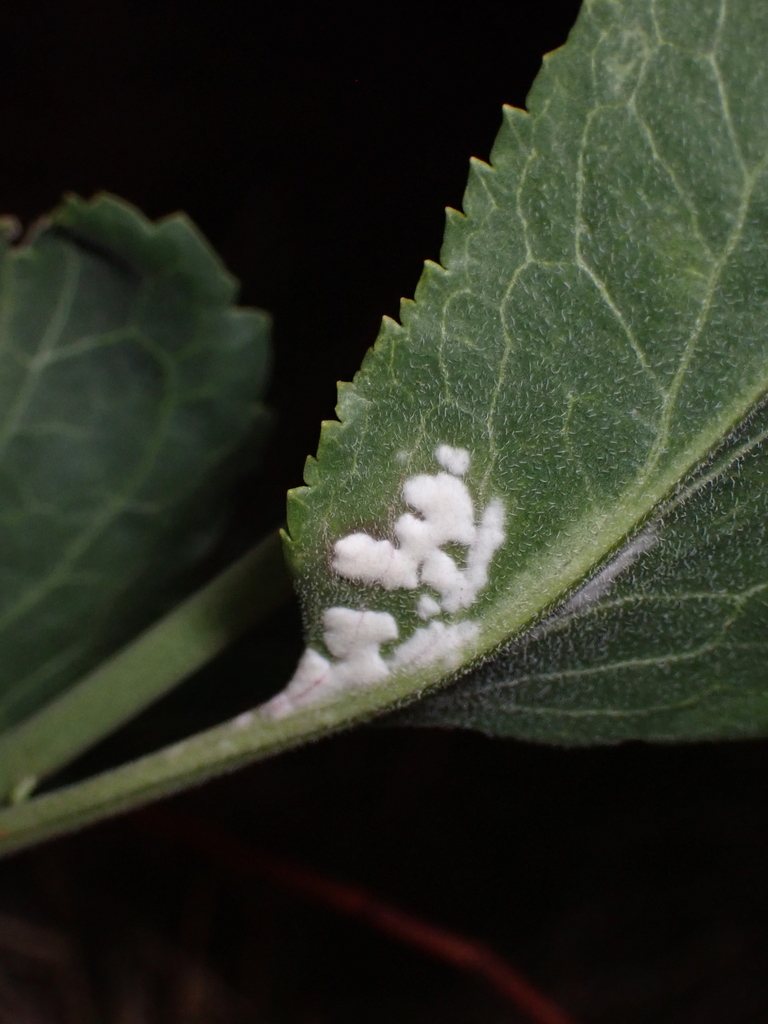
Symptoms by part
Leaves
You will see small, raised, white or cream colored pustules on the undersides of leaves, often accompanied by yellow or pale green spots on the upper leaf surface.
Causes
- High humidity levels around the foliage
- Cool to moderate temperatures
- Poor air circulation in the growing area
- Water sitting on leaf surfaces for extended periods
Could be confused with
- Powdery Mildew · Powdery mildew looks like a dusty, superficial coating on the leaf surface, whereas white rust pustules are raised, firm, and break through the leaf tissue.
- Downy Mildew · Downy mildew typically appears as fuzzy, greyish growth on the undersides of leaves without the distinct, firm, white pustules found in white rust.
Treatment
- Prune away and destroy any leaves showing visible white pustules to reduce the spread of spores.
- Increase spacing between plants to improve airflow and allow foliage to dry out faster after rain or watering.
- Apply potassium bicarbonate to the affected foliage to alter the pH and discourage fungal growth, follow the label.
Without chemicals
- Remove and destroy all infected plant debris at the end of the season to prevent overwintering.
- Water only at the base of the plant to keep the leaves dry.
- Use a rain cover or move container plants to a sheltered area during wet weather to reduce humidity on the leaves.
Chemical options
- Potassium bicarbonate, mix with water and spray on leaves, follow the label.
Preventing it
- Choose resistant plant varieties when possible.
- Ensure plants have plenty of space for air to move freely between them.
- Water early in the day so any accidental splashes on leaves dry quickly in the sun.
- Rotate crops in garden beds to avoid planting susceptible species in the same spot year after year.
Season
The warm growing season, especially during periods of high moisture.
Spread risk
High
Severity
Moderate
When to act
Act as soon as you spot the first white pustules to stop the fungus from spreading to healthy leaves. If the infection covers most of the plant or the plant stops growing entirely, remove and dispose of the plant to protect your other garden residents.
Think it's White Rust?
This guide covers the general picture. Pocket Botanist looks at your actual plant from a photo and tells you what's really going on, how serious it is, and what to try first. Identification and a health check are free.


Questions people ask
- Can I compost plants that had white rust?
- No, it is best to bag and dispose of infected plant material in the trash to avoid spreading the spores back into your garden through compost.
- Will white rust kill my plant?
- While it rarely kills a plant immediately, it significantly weakens it, making it susceptible to other stresses and reducing its overall vigor and yield.
Plants it affects
This guide was generated with AI and is general information, not horticultural advice. Read about how we build these guides.