 Pocket Botanist
Plant guide
Horseradish.
Armoracia rusticana
Pronounced ar-mo-RAY-see-uh rus-ti-KAY-nuh
Also known as Horse-Radish, Horseradish



Scan with your phone's camera to get the app
Or go to pocketbotanist.app/get on your phone
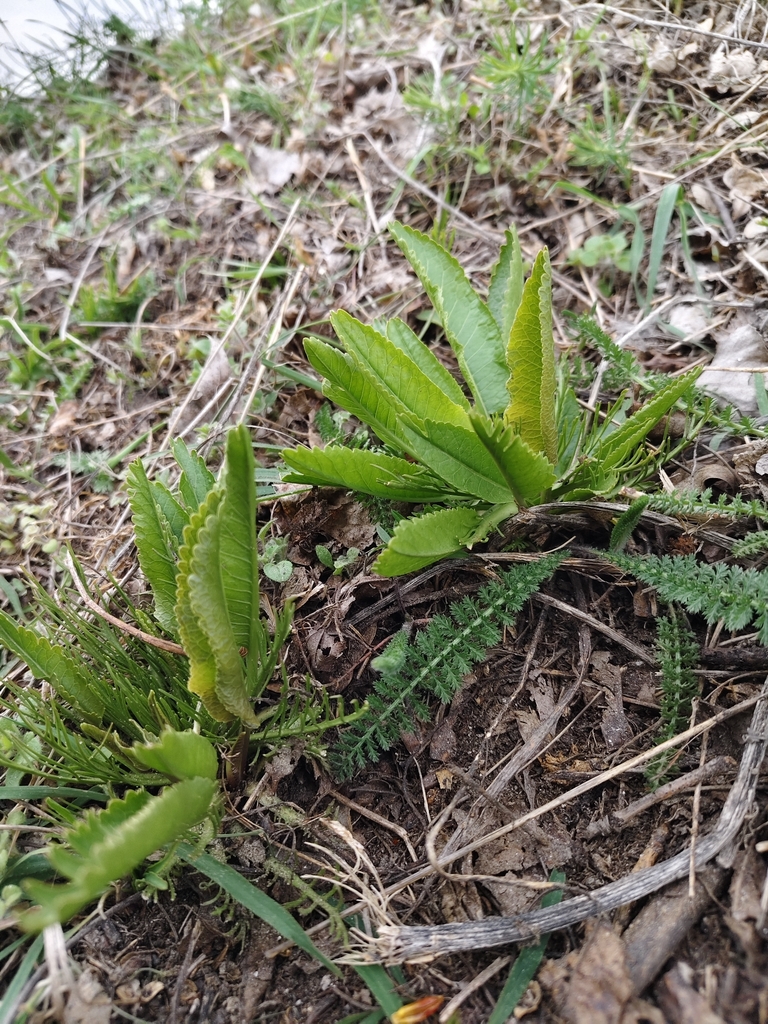
Horseradish is a hardy perennial grown primarily for its pungent, spicy root. It thrives in cool weather and is quite vigorous once established in your garden. You will love how easy it is to harvest your own fresh roots for homemade sauces.
At a glance
- Care level
- Easy
- Plant type
- Perennial vegetable
- Light
- Full sun to partial shade
- Indoor light
- Direct sun
- Water
- Every 3 to 7 days
- Mature size
- 2 to 3 feet
- Growth rate
- Fast
- Hardiness
- USDA 3 to 9
- Bloom time
- Late spring to early summer
Care
Plant in deep, well drained soil to allow the roots to grow straight and long. Keep the soil consistently moist, and watch for wilting during dry spells. You should harvest the roots in late autumn after the first frost for the best flavor.
- Watering
- Keep the soil evenly moist but not waterlogged to encourage healthy root development.
- Feeding
- Apply a balanced organic fertilizer once a month during the active growing season.
- Pruning
- Remove dead or yellowing foliage throughout the season to keep the plant tidy.
- Repotting
- Horseradish is best grown directly in the ground, but if container grown, divide the roots annually.
- Soil
- Deep, fertile, loamy soil
- Soil pH
- 6.0 to 7.5
- Temperature
- -30 to 30°C
- Humidity
- 40 to 70%
- Drought tolerance
- Moderate
- Lifespan
- Perennial, typically 5 to 10 years.
- Deer and rabbits
- High
Signs it needs repotting
- Roots growing out of the drainage holes.
- Stunted growth despite regular watering.
- Soil drying out too quickly.
Safety
- People
- The plant is generally safe to eat, but contact with the crushed root can cause skin irritation in sensitive individuals.
- Children
- Keep children away from the roots when grating, as the intense fumes can cause immediate discomfort to eyes and nose.
- Contact allergens
- Handling the freshly cut root can cause skin redness or irritation due to volatile oils.
- Airborne allergens
- The pungent fumes released when grating the root can cause significant eye and respiratory irritation.
- Edibility
- Raw horseradish root is extremely pungent and can cause severe irritation to the sinuses and throat if consumed in large quantities.
How to identify it
- Large, coarse, dark green leaves
- Long, thick, fleshy white taproot
- Small, white, four petaled flowers
- Tall, upright, leafy flower stalks
- Height
- 0.6 to 1.2m
- Spread
- 0.45 to 0.9m
- Leaves
- green, deciduous
- Flowers
- white, 0.5 to 1cm
- Fruit
- brown, late autumn
Problems to watch for
- Crucifer Flea BeetleCommon
- White RustCommon
- Root MaggotsUncommon
- Root RotUncommon
- Slugs and SnailsUncommon
- Verticillium WiltUncommon
Check your horseradish from a photo
Pocket Botanist looks at a photo of your plant and tells you what's wrong and what to try first.
Scan with your phone's camera to get the app
Or go to pocketbotanist.app/get on your phone
Growing it
- Propagation
- division, root cuttings
- When to plant
- spring, autumn
- Overwintering
- The foliage will die back completely after a hard frost. You can leave the roots in the ground, as they are very cold hardy.
- In containers
- It grows well in large, deep containers, but ensure the pot is at least 40 cm deep to accommodate the taproot.
Root Division
- 1. Dig up the main root in early spring or late autumn.
- 2. Cut off side roots that are about the thickness of a pencil.
- 3. Replant these root cuttings in well drained soil at a 45 degree angle.
Give this plant plenty of space, as its vigorous growth can easily crowd out smaller neighbors.
Grows well with
- Potato · It is said to improve the disease resistance of potatoes when grown nearby.
- Strawberry · Horseradish is thought to help deter pests that affect strawberry patches.
Keep away from
- Broccoli · Both plants are in the same family and compete for the same nutrients and attract similar pests.
Similar species
- Wasabi · Often confused with horseradish due to its similar pungent heat and culinary use.
Science
- Family
- Brassicaceae
- Genus
- Armoracia
- Order
- Brassicales
- Class
- Magnoliopsida
- Native range
- Southeastern Europe and Western Asia.
- Conservation
- This plant is widely naturalized and not of conservation concern.
It thrives in moist, disturbed soils and spreads aggressively through its deep, persistent taproot.
- Value to wildlife
- nectar source
- Pollinators
- bees, butterflies
- Uses
- culinary condiment, medicinal herb, garnish
Through the year
Ecological indicators
- Salinity
- 2/9
- Soil reaction
- 6/9
- Light
- 7/9
- Temperature
- 5/9
- Moisture
- 6/9
- Nutrients
- 7/9
Taxonomy resolved against GBIF.
Questions people ask
- How do I keep horseradish from spreading?
- Plant it in a bottomless container or a raised bed to restrict the root system.
- When should I harvest the roots?
- Harvest in late autumn after the first frost, when the foliage begins to die back.
Where the name comes from
Armoracia is the ancient Latin name for the plant, while rusticana means 'of the countryside'.
Good to know
- The name horseradish comes from the German word 'meerrettich', which was mispronounced as 'mareradish' and eventually 'horseradish'.
- Horseradish was historically used as a remedy for joint pain and respiratory congestion.
- The plant's heat comes from a compound called allyl isothiocyanate, which is released when the root cells are damaged.
- Horseradish roots can grow quite deep, making them difficult to remove once established.
Also in
Keep your horseradish growing
This page is a general guide. Save your plant in Pocket Botanist and you get care reminders timed for this plant, plus a care history that shows what worked.
Scan with your phone's camera to get the app
Or go to pocketbotanist.app/get on your phone
This guide was generated with AI on and checked against GBIF taxonomy. It is general information, not horticultural or veterinary advice. Read about how we build these guides.