 Pocket Botanist
Symptoms by part
Leaves
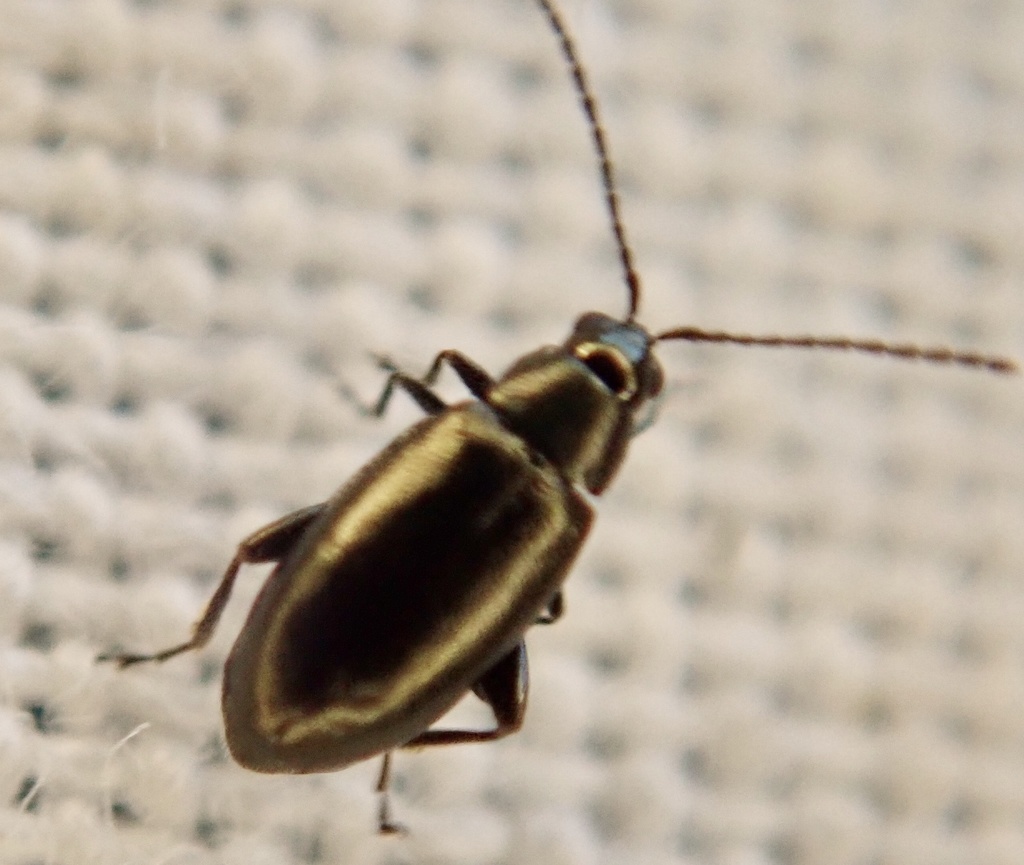
Small, round, shot like holes that look like someone used a tiny hole puncher across the surface of the foliage.
Causes
- Dry, warm weather conditions that favor the beetle's activity.
- Presence of weeds in the brassica family nearby that harbor the beetles.
- Young, tender seedlings that are particularly vulnerable to rapid feeding damage.
Could be confused with
- Slug or snail damage · Slugs and snails usually leave larger, irregular holes or ragged edges rather than the tiny, uniform, circular holes made by flea beetles.
- Fungal leaf spot · Leaf spots are typically discolored or necrotic patches rather than actual physical holes through the leaf tissue.
Find out what's really wrong with your plant
Problems that look alike are easy to mix up. Pocket Botanist looks at a photo of your actual plant and tells you what's going on, how serious it is, and what to try first. Identification and a health check are free.



Scan with your phone's camera to get the app
Or go to pocketbotanist.app/get on your phone
Treatment
- Cover young plants immediately with fine horticultural fleece or insect mesh to create a physical barrier.
- Apply spinosad to the foliage during the early morning or late evening when bees are not foraging, follow the label.
- Apply pyrethrins to the leaves if the infestation is heavy, follow the label.
Without chemicals
- Use fine mesh row covers to prevent beetles from reaching the leaves.
- Keep the area around your garden beds free of weeds, especially wild mustard or other brassica weeds.
- Water your plants consistently to help them grow vigorously and outpace the damage.
- Plant your brassicas later in the season to avoid the peak activity period of the beetles.
Chemical options
- spinosad, apply to the leaves, follow the label.
- pyrethrins, apply to the leaves, follow the label.
Preventing it
- Rotate your crops so that brassicas are not planted in the same spot every year.
- Use sticky yellow traps near your plants to catch and reduce the adult beetle population.
- Maintain healthy soil to ensure plants grow quickly and are less susceptible to damage.
Season
The warm growing season, especially during dry spells.
Spread risk
High
Severity
Moderate
When to act
Act as soon as you see the first small holes on your leaves, especially on young seedlings. If the plants are completely defoliated and show no signs of recovery, remove them to prevent further spread.
Keep your plants healthy from here
Save your plants in Pocket Botanist and you get care reminders timed for each one, plus a care history that shows what worked. Identification and a health check are free.
Questions people ask
- Will my plants recover from flea beetle damage?
- Yes, established plants can usually tolerate some damage, but young seedlings may need protection until they are large enough to withstand the feeding.
- Do flea beetles only eat kale and cabbage?
- They feed almost entirely on plants in the brassica family, such as cabbage, kale, radish and mustard. Damage on other vegetables like potatoes, tomatoes and eggplants usually comes from other flea beetle species.
- Why are they called flea beetles?
- They are named for their habit of jumping away like a flea when they are disturbed.
Plants it affects
Answers plant by plant
This guide was generated with AI on and is general information, not horticultural advice. Read about how we build these guides.