 Pocket Botanist
Plant guide
Pak Choi.
Brassica rapa
Pronounced BRASS-ih-kuh RAH-pah
Also known as Bargeman's Cabbage, Bird's Rape, Birdsrape Mustard, Bok choy, Braze, Colbaga, Field Mustard, Horuhoru



Scan with your phone's camera to get the app
Or go to pocketbotanist.app/get on your phone
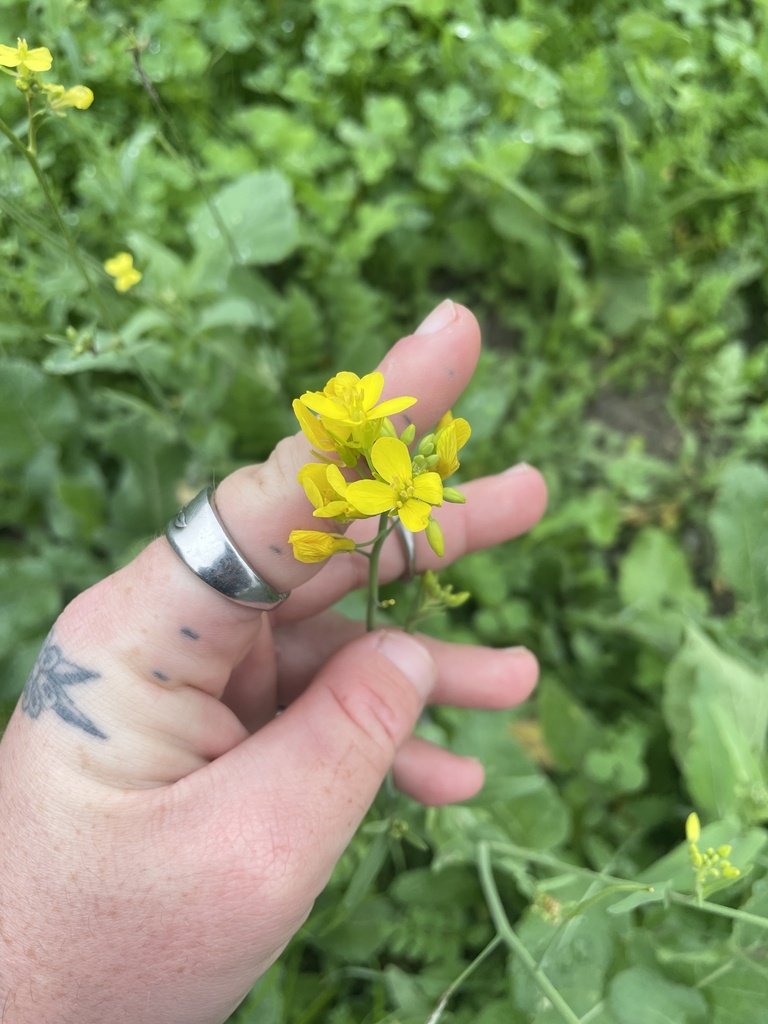
Pak choi is a fast growing leafy green that loves cool weather. It is a staple in many kitchens because it is so easy to grow and harvest. You will love how quickly it goes from seed to your dinner plate.
At a glance
- Care level
- Easy
- Plant type
- Annual vegetable
- Light
- Full sun to partial shade
- Indoor light
- Direct sun
- Water
- Every 2 to 4 days
- Mature size
- 12 to 18 inches
- Growth rate
- Fast
- Hardiness
- USDA 2 to 11
- Bloom time
- Late spring to early summer
Care
Keep the soil consistently moist to prevent the plant from bolting prematurely. Watch for cabbage worms or aphids on the undersides of leaves. Harvest the outer leaves as you go or cut the whole head once it reaches your preferred size.
- Watering
- Keep the soil evenly moist but never soggy to encourage steady growth.
- Feeding
- Use a balanced organic fertilizer to support leafy growth.
- Pruning
- Remove any yellowing or damaged outer leaves to keep the plant healthy.
- Repotting
- As an annual vegetable, this plant is typically grown from seed to harvest in one season.
- Soil
- Rich, well draining, loamy soil
- Soil pH
- 6.0 to 7.5
- Temperature
- 5 to 25°C
- Humidity
- 40 to 70%
- Drought tolerance
- Low
- Lifespan
- Annual or biennial, typically 1 season.
- Deer and rabbits
- Low
Signs it needs repotting
- Roots circling the bottom of the container.
- Stunted growth despite regular feeding.
Safety
- People
- The plant is non-toxic and widely consumed as a vegetable.
- Children
- No specific risks exist for children, though raw plant material should be washed.
- Contact allergens
- Some individuals may experience mild skin irritation from handling raw leaves due to glucosinolates.
- Airborne allergens
- Pollen can trigger seasonal allergies in sensitive individuals during the flowering phase.
- Edibility
- Wash leaves thoroughly to remove soil and potential insect residue before consumption.
How to identify it
- Thick, white, crunchy leaf stalks
- Dark green, glossy, spoon shaped leaves
- Upright, vase shaped growth habit
- Soft, tender texture when cooked
- Height
- 0.3 to 0.6m
- Spread
- 0.2 to 0.4m
- Leaves
- green, blue-green, deciduous
- Flowers
- yellow, 1 to 2cm
- Fruit
- brown, Summer
Problems to watch for
- AphidsCommon
- BoltingCommon
- Cabbage LooperCommon
- Cabbage White ButterflyCommon
- Crucifer Flea BeetleCommon
- Slugs and SnailsCommon
- ClubrootUncommon
- Downy MildewUncommon
- Root MaggotsUncommon
- Tip BurnUncommon
- Flea beetles · Small jumping beetles that chew tiny holes in the foliage.
Check your pak choi from a photo
Pocket Botanist looks at a photo of your plant and tells you what's wrong and what to try first.
Scan with your phone's camera to get the app
Or go to pocketbotanist.app/get on your phone
Growing it
- Propagation
- seed
- When to plant
- early spring, late summer
- Overwintering
- In mild climates, it can survive the winter outdoors. In colder regions, it is best grown as a seasonal crop.
- In containers
- It grows well in containers at least 20 cm deep, provided they have good drainage.
Direct Sowing
- 1. Prepare loose, fertile soil in a sunny spot.
- 2. Sow seeds 1 cm deep in rows.
- 3. Keep the soil consistently moist until germination.
- 4. Thin seedlings to 15 cm apart once they have two sets of true leaves.
Plant in succession every two weeks to ensure a steady harvest throughout the cool season.
Grows well with
Keep away from
- Strawberry · Strawberries are known to stunt the growth of many brassica species.
Similar species
- Mustard · It is a closely related leafy green with a much spicier flavor profile.
Science
- Family
- Brassicaceae
- Genus
- Brassica
- Order
- Brassicales
- Class
- Magnoliopsida
- Native range
- Temperate regions of Eurasia.
- Conservation
- This species is widely cultivated and not of conservation concern.
It thrives in cool, moist conditions and often colonizes disturbed soil.
- Value to wildlife
- nectar source
- Pollinators
- bees, butterflies
- Uses
- culinary vegetable, cover crop, fodder
Through the year
Ecological indicators
- Salinity
- 2/9
- Soil reaction
- 6/9
- Light
- 7/9
- Temperature
- 4/9
- Moisture
- 6/9
- Nutrients
- 7/9
Taxonomy resolved against GBIF.
Questions people ask
- Why is my plant bolting?
- Bolting is triggered by rising temperatures and longer daylight hours.
- Can I eat the flowers?
- Yes, the yellow flowers are edible and have a mild, peppery flavor.
Where the name comes from
The genus name Brassica is the classical Latin name for cabbage, while rapa refers to the turnip-like root.
Good to know
- It is one of the most economically important vegetable species globally.
- The plant has been cultivated for thousands of years across Asia and Europe.
- It grows very quickly, often ready for harvest in just 4 to 6 weeks.
Keep your pak choi growing
This page is a general guide. Save your plant in Pocket Botanist and you get care reminders timed for this plant, plus a care history that shows what worked.
Scan with your phone's camera to get the app
Or go to pocketbotanist.app/get on your phone
This guide was generated with AI on and checked against GBIF taxonomy. It is general information, not horticultural or veterinary advice. Read about how we build these guides.