 Pocket Botanist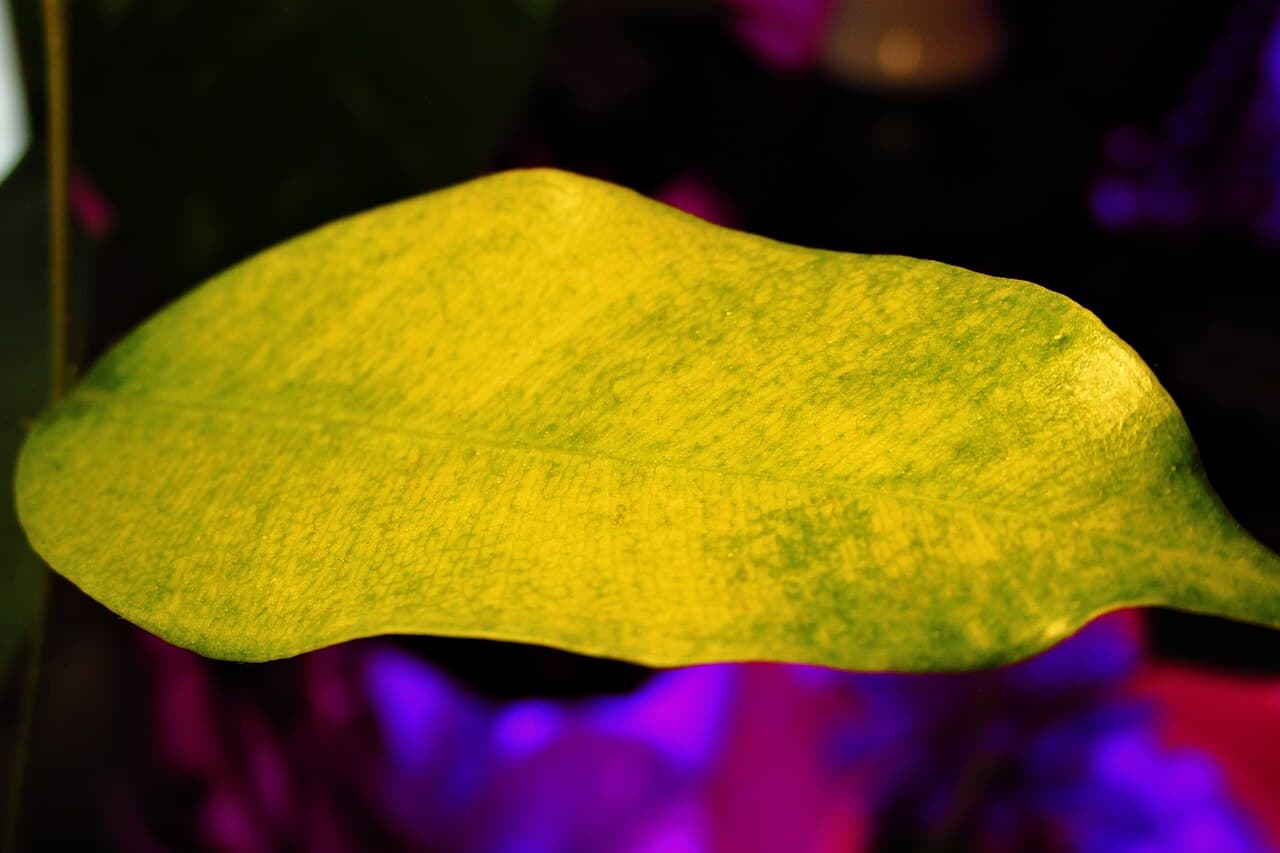
.jpg)
Check these first
- Feel the soil to see if it is soggy or bone dry.
- Check the roots for signs of swelling or knots.
- Look for yellowing on the oldest, bottom leaves first.
Likely causes
Improper watering
Most likelyHow to tell: The leaves turn yellow and may feel soft or limp. This happens if the soil stays soggy for too long or dries out completely between waterings.
What to do: Adjust your schedule to water every 2 to 4 days. Ensure the soil is evenly moist but never sitting in standing water.
Clubroot disease
PossibleHow to tell: The plant looks stunted and the leaves yellow during the heat of the day. If you pull the plant up, the roots will look swollen and distorted.
What to do: Remove and destroy the affected plant immediately. Do not compost it, and avoid planting brassicas in that soil for at least 3 to 5 years.
When to worry
A single yellow leaf at the very bottom is normal as the plant ages. If the yellowing spreads to the center or the whole plant wilts, it is a serious issue.
Stopping it coming back
Maintain consistent soil moisture and rotate your crops every season. Adding lime to the soil can help prevent clubroot if your soil is acidic.
Not sure which one it is? Photograph your pak choi.
This page lists the usual causes. Pocket Botanist looks at your actual leaf and tells you the likely cause, how serious it is, and what to try first. Identification and a health check are free.


Questions people ask
- Should I fertilize yellow leaves?
- Only fertilize if you are sure the plant is hungry. If the soil is soggy, adding fertilizer will only stress the roots further.
- Can I save a plant with clubroot?
- No, clubroot is a soil-borne pathogen that cannot be cured. You must remove the plant to protect the rest of your garden.
More problems with Pak Choi
This article was generated with AI from the plant’s care profile and is general information, not horticultural advice. Read about how we build these guides.