 Pocket Botanist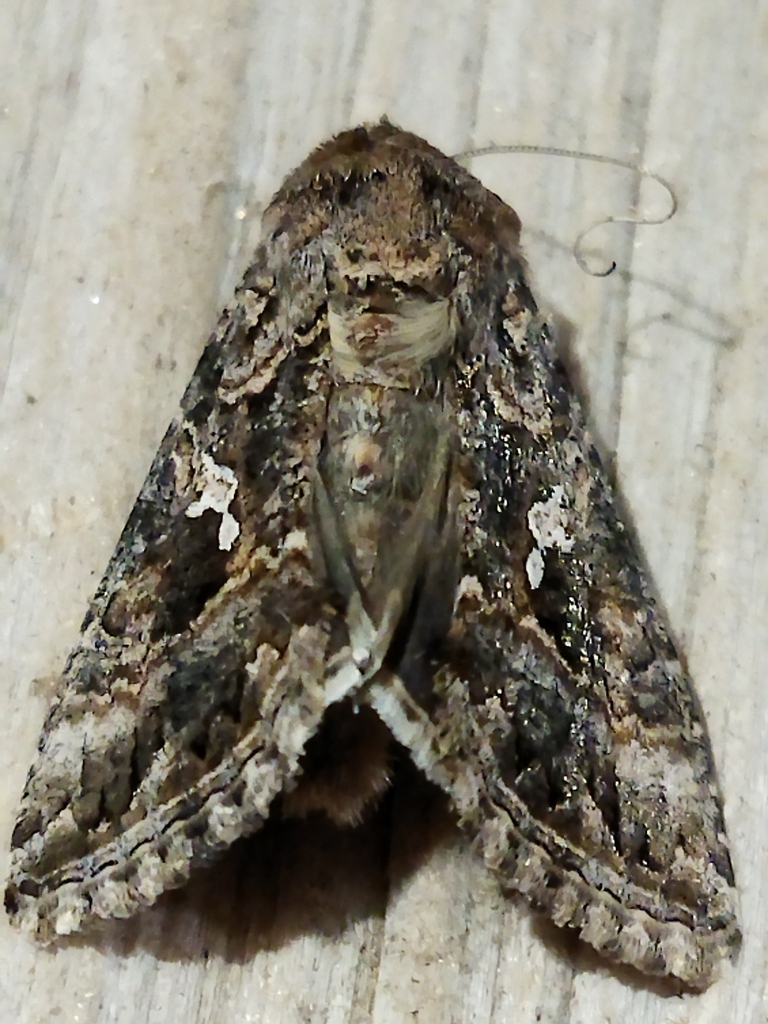
Symptoms by part
Leaves
You will see irregular, ragged holes in the foliage, often starting between the veins. Look for dark green or brown droppings on the leaf surfaces, which indicate the caterpillars are actively feeding nearby.
Causes
- Adult moths laying eggs on the undersides of leaves during the growing season.
- Warm temperatures that speed up the life cycle of the caterpillars.
- Lack of natural predators like parasitic wasps or birds in the garden.
Could be confused with
- Imported Cabbageworm · The imported cabbageworm is a solid, velvety green caterpillar that lies flat against the leaf, whereas the cabbage looper has a white stripe along its side and arches its back while moving.
- Diamondback Moth Larvae · These are much smaller and more active than loopers, often wiggling violently or dropping on a silk thread when disturbed.
Treatment
- Handpick the caterpillars from the undersides of the leaves during the early morning or evening when they are most active.
- Drop the collected caterpillars into a bucket of soapy water to dispose of them.
- Apply a biological control to the foliage to target the larvae while they are still small.
- Remove heavily damaged leaves to reduce the food source and egg laying sites.
Without chemicals
- Use floating row covers early in the season to prevent adult moths from landing on plants to lay eggs.
- Encourage beneficial insects by planting flowers that attract parasitic wasps.
- Handpick caterpillars daily during peak infestation periods.
Chemical options
- Bacillus thuringiensis, spray onto the leaves where caterpillars feed, follow the label.
- Spinosad, apply to the foliage during the evening to avoid harming pollinators, follow the label.
Preventing it
- Rotate your crops each year so brassicas are not in the same spot.
- Clean up plant debris at the end of the season to remove overwintering pupae.
- Install fine mesh netting over your crops before the first moths appear.
Season
The warm growing season, typically from late spring through autumn.
Spread risk
Moderate
Severity
Moderate
When to act
Take action as soon as you spot the first holes or droppings on your leaves. If the plant is completely defoliated and the growing point is destroyed, it is best to remove it and start fresh.
Think it's Cabbage Looper?
This guide covers the general picture. Pocket Botanist looks at your actual plant from a photo and tells you what's really going on, how serious it is, and what to try first. Identification and a health check are free.


Questions people ask
- Will these caterpillars kill my kale?
- They can certainly weaken it and make it inedible, but they rarely kill a mature plant unless the infestation is severe and left untreated for a long time.
- Are the holes in my leaves definitely from cabbage loopers?
- If you see the looping motion of the caterpillar and dark droppings, it is almost certainly a cabbage looper. Check the undersides of the leaves to confirm their presence.
Plants it affects
This guide was generated with AI and is general information, not horticultural advice. Read about how we build these guides.