 Pocket Botanist
Pflanzenratgeber
Meerrettich.
Armoracia rusticana
Aussprache ar-mo-RAY-see-uh rus-ti-KAY-nuh
Auch bekannt als Meerrettich, Meerrettich


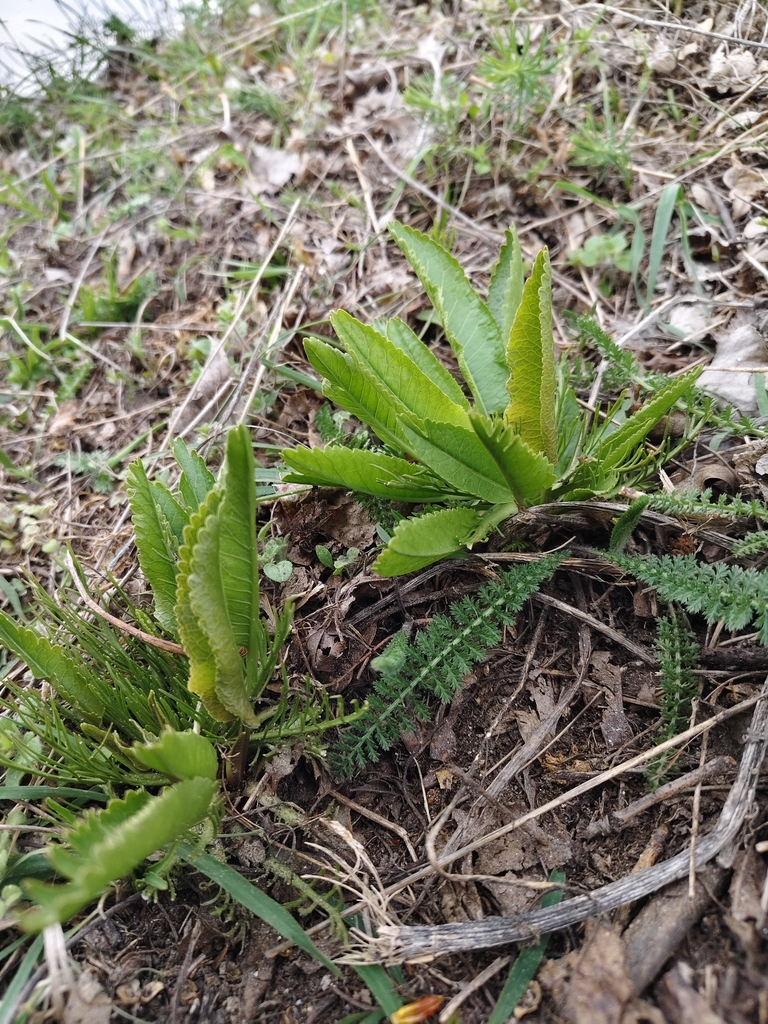
Meerrettich ist eine robuste Staude, die hauptsächlich wegen ihrer scharfen, würzigen Wurzel angebaut wird. Sie gedeiht bei kühlem Wetter und ist nach der Etablierung in Ihrem Garten ziemlich wüchsig. Sie werden lieben, wie einfach es ist, Ihre eigenen frischen Wurzeln für hausgemachte Saucen zu ernten.
Auf einen Blick
- Pflegestufe
- Einfach
- Pflanzenart
- Mehrjährige Gemüsepflanze
- Licht
- Volle Sonne bis Halbschatten
- Licht im Innenraum
- Direkte Sonne
- Gießen
- Alle 3 bis 7 Tage
- Endgröße
- 60 bis 90 cm
- Wachstum
- Schnell
- Winterhärte
- USDA 3 bis 9
- Blütezeit
- Late spring to early summer
Pflege
Pflanzen Sie in tiefen, gut durchlässigen Boden, damit die Wurzeln gerade und lang wachsen können. Halten Sie den Boden gleichmäßig feucht und achten Sie während Trockenperioden auf Welkeerscheinungen. Sie sollten die Wurzeln im Spätherbst nach dem ersten Frost für den besten Geschmack ernten.
- Gießen
- Halten Sie den Boden gleichmäßig feucht, aber nicht staunass, um eine gesunde Wurzelentwicklung zu fördern.
- Düngen
- Dünge einmal im Monat während der aktiven Wachstumsperiode mit einem ausgewogenen organischen Dünger.
- Schneiden
- Entfernen Sie abgestorbene oder vergilbende Blätter während der gesamten Saison, um die Pflanze ordentlich zu halten.
- Umtopfen
- Meerrettich wächst am besten direkt im Boden, aber wenn er im Topf gezogen wird, teilen Sie die Wurzeln jährlich.
- Boden
- Tiefer, fruchtbarer, lehmiger Boden
- Boden-pH
- 6,0 bis 7,5
- Temperatur
- -30 bis 30°C
- Luftfeuchtigkeit
- 40 bis 70%
- Trockenheitstoleranz
- Mittel
- Lebensdauer
- Perennial, typically 5 to 10 years.
- Wildverbiss-Resistenz
- Hoch
Anzeichen fürs Umtopfen
- Roots growing out of the drainage holes.
- Stunted growth despite regular watering.
- Soil drying out too quickly.
Sicherheit
- Menschen
- The plant is generally safe to eat, but contact with the crushed root can cause skin irritation in sensitive individuals.
- Kinder
- Keep children away from the roots when grating, as the intense fumes can cause immediate discomfort to eyes and nose.
- Kontaktallergene
- Handling the freshly cut root can cause skin redness or irritation due to volatile oils.
- Allergene in der Luft
- The pungent fumes released when grating the root can cause significant eye and respiratory irritation.
- Essbarkeit
- Raw horseradish root is extremely pungent and can cause severe irritation to the sinuses and throat if consumed in large quantities.
So erkennst du die Pflanze
- Große, grobe, dunkelgrüne Blätter
- Lange, dicke, fleischige weiße Pfahlwurzel
- Kleine, weiße, vierblättrige Blüten
- Hohe, aufrechte, beblätterte Blütenstiele
- Höhe
- 0,6 bis 1,2m
- Breite
- 0,45 bis 0,9m
- Blätter
- green, deciduous
- Blüten
- white, 0,5 bis 1cm
- Früchte
- brown, late autumn
Häufige Probleme
- Crucifer flea beetle — Small beetles that chew tiny holes in the leaves.
- White rust — A fungal infection causing white pustules on the underside of leaves.
Standort und Pflege
- Vermehrung
- division, seed
- Pflanzzeit
- spring, autumn
- Überwinterung
- The foliage will die back completely after a hard frost. You can leave the roots in the ground, as they are very cold hardy.
- Im Kübel
- It grows well in large, deep containers, but ensure the pot is at least 40 cm deep to accommodate the taproot.
Root Division
- 1. Dig up the main root in early spring or late autumn.
- 2. Cut off side roots that are about the thickness of a pencil.
- 3. Replant these root cuttings in well drained soil at a 45 degree angle.
Give this plant plenty of space, as its vigorous growth can easily crowd out smaller neighbors.
Gute Pflanzpartner
- Potato — It is said to improve the disease resistance of potatoes when grown nearby.
- Gartenerdbeere — Horseradish is thought to help deter pests that affect strawberry patches.
Fernhalten von
- Grünkohl — Both plants are in the same family and compete for the same nutrients and attract similar pests.
Ähnliche Arten
- Eutrema japonicum — Often confused with horseradish due to its similar pungent heat and culinary use.
Botanisches
- Familie
- Brassicaceae
- Gattung
- Armoracia
- Ordnung
- Brassicales
- Klasse
- Magnoliopsida
- Ursprüngliche Heimat
- Southeastern Europe and Western Asia.
- Artenschutz
- This plant is widely naturalized and not of conservation concern.
It thrives in moist, disturbed soils and spreads aggressively through its deep, persistent taproot.
- Nutzen für Wildtiere
- nectar source
- Bestäuber
- Bienen, Schmetterlinge
- Verwendung
- culinary condiment, medicinal herb, garnish
Im Jahresverlauf
Ökologische Zeigerwerte
- Salzgehalt
- 2/9
- Bodenreaktion
- 6/9
- Licht
- 7/9
- Temperatur
- 5/9
- Feuchtigkeit
- 6/9
- Nährstoffe
- 7/9
Taxonomie abgeglichen mit GBIF.
Häufige Fragen
- How do I keep horseradish from spreading?
- Plant it in a bottomless container or a raised bed to restrict the root system.
- When should I harvest the roots?
- Harvest in late autumn after the first frost, when the foliage begins to die back.
Woher der Name kommt
Armoracia is the ancient Latin name for the plant, while rusticana means 'of the countryside'.
Gut zu wissen
- The name horseradish comes from the German word 'meerrettich', which was mispronounced as 'mareradish' and eventually 'horseradish'.
- Horseradish was historically used as a remedy for joint pain and respiratory congestion.
- The plant's heat comes from a compound called allyl isothiocyanate, which is released when the root cells are damaged.
- Horseradish roots can grow quite deep, making them difficult to remove once established.
Auch in
Probleme mit Meerrettich?
Diese Seite bietet allgemeine Infos. Pocket Botanist erkennt Probleme anhand eines Fotos deiner echten Pflanze, passt das Gießen an dein Licht und deinen Standort an und erinnert dich an die Pflege.
Dieser Ratgeber wurde mit KI erstellt und mit der GBIF-Taxonomie abgeglichen. Er dient zur allgemeinen Information und ersetzt keine gärtnerische oder tierärztliche Beratung. Hier erfährst du, wie wir diese Ratgeber erstellen.