 Pocket Botanist
Guía de plantas
Rábano picante.
Armoracia rusticana
Pronunciación ar-mo-RAY-see-uh rus-ti-KAY-nuh
También se conoce como Rábano picante, Rábano picante


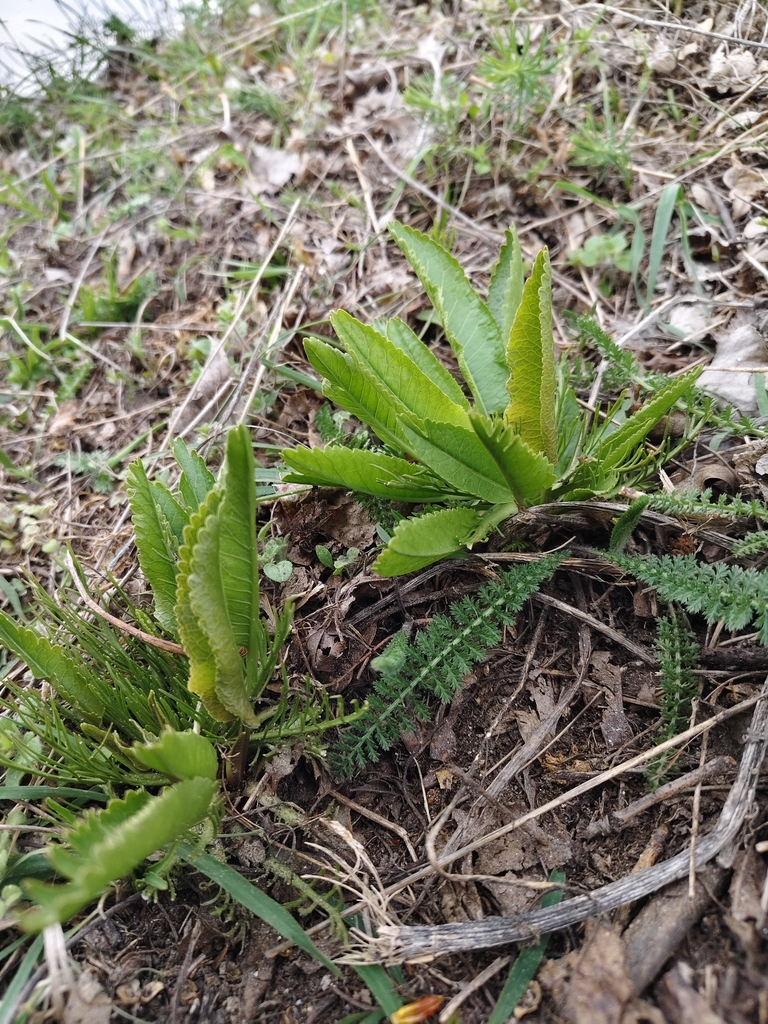
El rábano picante es una planta perenne resistente que se cultiva principalmente por su raíz picante y sabrosa. Prospera en climas fríos y es bastante vigorosa una vez establecida en tu jardín. Te encantará lo fácil que es cosechar tus propias raíces frescas para salsas caseras.
De un vistazo
- Nivel de cuidados
- Fácil
- Tipo de planta
- Hortaliza perenne
- Luz
- Pleno sol a sombra parcial
- Luz en interior
- Sol directo
- Riego
- Cada 3 a 7 días
- Tamaño adulto
- 2 a 3 pies
- Ritmo de crecimiento
- Rápido
- Rusticidad
- USDA 3 a 9
- Floración
- Late spring to early summer
Cuidados
Plántala en suelo profundo y bien drenado para que las raíces crezcan rectas y largas. Mantén la tierra constantemente húmeda y vigila si se marchita durante las sequías. Debes cosechar las raíces a finales de otoño, después de la primera helada, para obtener el mejor sabor.
- Riego
- Keep the soil evenly moist but not waterlogged to encourage healthy root development.
- Abonado
- Aplica un fertilizante orgánico equilibrado una vez al mes durante la temporada de crecimiento activo.
- Poda
- Retira el follaje muerto o amarillento durante toda la temporada para mantener la planta ordenada.
- Trasplante
- El rábano picante se cultiva mejor directamente en el suelo, pero si se cultiva en maceta, divide las raíces anualmente.
- Suelo
- Suelo profundo, fértil y franco
- pH del suelo
- 6.0 a 7.5
- Temperatura
- -30 a 30°C
- Humedad
- 40 a 70%
- Tolerancia a la sequía
- Moderada
- Longevidad
- Perennial, typically 5 to 10 years.
- Resistencia a ciervos y conejos
- Alta
Señales de que necesita trasplante
- Roots growing out of the drainage holes.
- Stunted growth despite regular watering.
- Soil drying out too quickly.
Seguridad
- Personas
- The plant is generally safe to eat, but contact with the crushed root can cause skin irritation in sensitive individuals.
- Niños
- Keep children away from the roots when grating, as the intense fumes can cause immediate discomfort to eyes and nose.
- Alérgenos por contacto
- Handling the freshly cut root can cause skin redness or irritation due to volatile oils.
- Alérgenos en el aire
- The pungent fumes released when grating the root can cause significant eye and respiratory irritation.
- Comestibilidad
- Raw horseradish root is extremely pungent and can cause severe irritation to the sinuses and throat if consumed in large quantities.
Cómo identificarla
- Hojas grandes, ásperas y de color verde oscuro
- Raíz pivotante larga, gruesa y carnosa de color blanco
- Flores pequeñas, blancas y de cuatro pétalos
- Tallos florales altos, erguidos y frondosos
- Altura
- 0,6 a 1,2m
- Anchura
- 0,45 a 0,9m
- Hojas
- green, deciduous
- Flores
- white, 0,5 a 1cm
- Frutos
- brown, late autumn
Problemas frecuentes
- Crucifer flea beetle — Small beetles that chew tiny holes in the leaves.
- White rust — A fungal infection causing white pustules on the underside of leaves.
Cómo cultivarla
- Propagación
- division, seed
- Cuándo plantar
- spring, autumn
- Cuidados en invierno
- The foliage will die back completely after a hard frost. You can leave the roots in the ground, as they are very cold hardy.
- En maceta
- It grows well in large, deep containers, but ensure the pot is at least 40 cm deep to accommodate the taproot.
Root Division
- 1. Dig up the main root in early spring or late autumn.
- 2. Cut off side roots that are about the thickness of a pencil.
- 3. Replant these root cuttings in well drained soil at a 45 degree angle.
Give this plant plenty of space, as its vigorous growth can easily crowd out smaller neighbors.
Buenas compañeras
Mantenla lejos de
- Col rizada — Both plants are in the same family and compete for the same nutrients and attract similar pests.
Especies parecidas
- Eutrema japonicum — Often confused with horseradish due to its similar pungent heat and culinary use.
Ciencia
- Familia
- Brassicaceae
- Género
- Armoracia
- Orden
- Brassicales
- Clase
- Magnoliopsida
- Distribución natural
- Southeastern Europe and Western Asia.
- Conservación
- This plant is widely naturalized and not of conservation concern.
It thrives in moist, disturbed soils and spreads aggressively through its deep, persistent taproot.
- Valor para la fauna
- nectar source
- Polinizadores
- abejas, mariposas
- Usos
- culinary condiment, medicinal herb, garnish
A lo largo del año
Indicadores ecológicos
- Salinidad
- 2/9
- Reacción del suelo
- 6/9
- Luz
- 7/9
- Temperatura
- 5/9
- Humedad
- 6/9
- Nutrientes
- 7/9
Taxonomía cotejada con GBIF.
Lo que más preguntan
- How do I keep horseradish from spreading?
- Plant it in a bottomless container or a raised bed to restrict the root system.
- When should I harvest the roots?
- Harvest in late autumn after the first frost, when the foliage begins to die back.
De dónde viene el nombre
Armoracia is the ancient Latin name for the plant, while rusticana means 'of the countryside'.
Bueno saberlo
- The name horseradish comes from the German word 'meerrettich', which was mispronounced as 'mareradish' and eventually 'horseradish'.
- Horseradish was historically used as a remedy for joint pain and respiratory congestion.
- The plant's heat comes from a compound called allyl isothiocyanate, which is released when the root cells are damaged.
- Horseradish roots can grow quite deep, making them difficult to remove once established.
También en
¿Tu rábano picante tiene mal aspecto?
Esta página es una guía general. Pocket Botanist diagnostica problemas a partir de una foto de tu propia planta, calcula el riego según tu luz y tus condiciones, y te avisa cuando toca cuidarla.
Esta guía se ha generado con IA y se ha cotejado con la taxonomía de GBIF. Es información general, no asesoramiento botánico ni veterinario. Descubre cómo elaboramos estas guías.