 Pocket Botanist
Guía de plantas
Fresa.
Fragaria × ananassa
Pronunciación fra-GAIR-ee-uh uh-nuh-NAS-uh
También se conoce como Fragaria × ananassa, Fresa, Fresa



Las fresas son plantas perennes deliciosas y de bajo crecimiento que producen frutos dulces en el jardín. Prosperan en lugares soleados con suelo bien drenado. Te encantará recoger tus propias bayas directamente del huerto.
De un vistazo
- Nivel de cuidados
- Media
- Tipo de planta
- Perenne herbácea
- Luz
- Pleno sol
- Luz en interior
- Sol directo
- Riego
- Cada 2 a 4 días
- Tamaño adulto
- 30 cm de alto por 50 cm de ancho
- Ritmo de crecimiento
- Rápido
- Rusticidad
- USDA 4 a 9
- Floración
- Mediados a finales de primavera
Cuidados
Mantén la tierra constantemente húmeda pero no encharcada para favorecer la producción de frutos. Vigila los problemas fúngicos como el moho gris asegurando una buena circulación de aire alrededor de las plantas. Usa paja como acolchado para mantener las fresas fuera de la tierra húmeda.
- Riego
- Mantén la tierra uniformemente húmeda durante toda la temporada de crecimiento.
- Abonado
- Aplica un fertilizante equilibrado durante la temporada de crecimiento activo.
- Poda
- Retira los estolones y el follaje muerto después de la temporada de cosecha.
- Trasplante
- Renueva la tierra o divide las plantas cada dos años.
- Suelo
- Franco arenoso rico
- pH del suelo
- 5.5 a 6.5
- Temperatura
- -20 a 35°C
- Humedad
- 40 a 70%
- Tolerancia a la sequía
- Baja
- Longevidad
- Perenne, típicamente de 3 a 5 años.
- Fragancia
- Suave
- Resistencia a ciervos y conejos
- Baja
Señales de que necesita trasplante
- Las raíces crecen fuera de los agujeros de drenaje.
- Crecimiento atrofiado a pesar de la alimentación regular.
- La tierra se seca muy rápidamente.
Seguridad
- Personas
- La planta no es tóxica para los humanos.
- Niños
- La fruta pequeña es segura para los niños, pero asegúrate de que estén supervisados para evitar que se atraganten con las bayas enteras.
- Alérgenos por contacto
- Algunas personas pueden experimentar una leve irritación en la piel por los finos pelos de las hojas o los tallos.
- Alérgenos en el aire
- El polen de fresa generalmente no es un alérgeno aéreo significativo.
- Comestibilidad
- Lava la fruta a fondo para eliminar partículas de tierra y posibles contaminantes antes de comerla.
Cómo identificarla
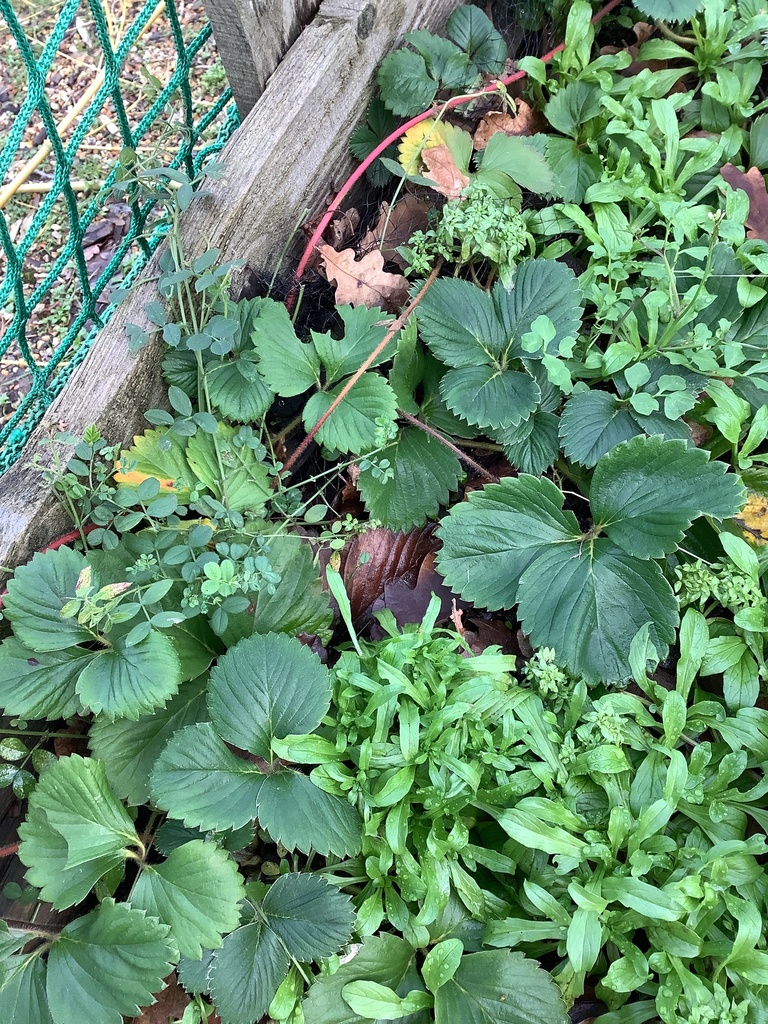
- Tres folíolos con bordes aserrados
- Flores blancas con centros amarillos
- Fruto carnoso rojo con semillas externas
- Hábito herbáceo de bajo crecimiento
- Altura
- 0,15 a 0,3m
- Anchura
- 0,3 a 0,5m
- Hojas
- verde, perenne
- Flores
- blanco, 2 a 3cm
- Frutos
- rojo, Finales de primavera a verano
Problemas a vigilar
- Babosas y caracolesComún
- Manchas foliaresComún
- OídioComún
- Podredumbre grisComún
- Araña rojaPoco común
- Podredumbre radicularPoco común
- PulgonesPoco común
- VerticilosisPoco común
- Moho gris en la fruta — Una infección fúngica que causa moho gris en la fruta madura.
- Babosas — Estos moluscos se alimentan de las hojas y la fruta madura.
Por síntoma
Revisa tu fresa con una foto
Pocket Botanist mira una foto de tu planta y te dice qué le pasa y qué probar primero.
Cómo cultivarla
- Propagación
- estolones, división, semilla
- Cuándo plantar
- primavera, principios de otoño
- Cuidados en invierno
- Aplica una capa de mantillo de paja alrededor de la base a finales de otoño para proteger la corona de las temperaturas de congelación. Retira el mantillo una vez que aparezca nuevo crecimiento en primavera.
- En maceta
- Las fresas crecen muy bien en macetas o cestas colgantes, siempre que el contenedor tenga al menos 20 cm de profundidad.
Estolones
- 1. Identifica un estolón sano.
- 2. Fija la pequeña plantita en una maceta con tierra.
- 3. Mantén la tierra húmeda hasta que se formen raíces.
- 4. Corta el estolón de la planta madre.
Plantar borraja cerca es un truco clásico para mejorar la salud de las fresas y atraer polinizadores.
Buenas compañeras
Mantenla lejos de
- Col rizada — Compiten por los nutrientes y pueden inhibir el crecimiento mutuo.
Especies parecidas
- Fresa silvestre — Es una pariente más pequeña y de sabor más intenso.
Ciencia
- Familia
- Rosaceae
- Género
- Fragaria
- Orden
- Rosales
- Clase
- Magnoliopsida
- Distribución natural
- Origen híbrido global.
- Conservación
- Este es un híbrido ampliamente cultivado y no es de preocupación para la conservación.
Prospera en lugares soleados con suelo bien drenado y se propaga a través de estolones vegetativos.
- Valor para la fauna
- fuente de néctar, atrae insectos beneficiosos
- Polinizadores
- abejas, mariposas
- Usos
- culinario, cubresuelos, jardinería en contenedores
A lo largo del año
Indicadores ecológicos
- Salinidad
- 2/9
- Luz
- 7/9
- Temperatura
- 5/9
- Humedad
- 6/9
- Nutrientes
- 6/9
- Reacción del suelo
- 5/9
Taxonomía cotejada con GBIF.
Lo que más preguntan
- Necesito podar mis fresas?
- Quita las hojas muertas a principios de primavera y recorta los estolones si quieres concentrar la energía en la producción de fruta.
- Por qué mis bayas son pequeñas?
- Esto suele ocurrir si la planta está demasiado apretada o carece de suficiente agua durante el desarrollo de la fruta.
De dónde viene el nombre
El nombre Fragaria proviene de la palabra latina para fragante, mientras que ananassa se refiere al aroma de la fruta parecido al de la piña.
Bueno saberlo
- Las fresas son la única fruta con semillas por fuera.
- Pertenecen a la familia de las rosas.
- Una sola fresa puede tener hasta 200 semillas.
Que tu fresa siga creciendo
Esta página es una guía general. Guarda tu planta en Pocket Botanist y tendrás recordatorios de cuidado pensados para esta planta, además de un historial de cuidados que muestra qué ha funcionado.
Esta guía se ha generado con IA y se ha cotejado con la taxonomía de GBIF. Es información general, no asesoramiento botánico ni veterinario. Descubre cómo elaboramos estas guías.