 Pocket Botanist
Guía de plantas
Fresa silvestre.
Fragaria vesca
Pronunciación fra-GA-ree-uh VESS-kuh
También se conoce como Fresa alpina, Fresa europea, Fresa de ladera



La fresa silvestre es una planta perenne encantadora y de bajo crecimiento que produce bayas pequeñas e intensamente sabrosas. Se propaga por estolones, lo que la convierte en una hermosa cubierta vegetal para jardines boscosos. Descubrirás que prospera en sombra moteada y suelo húmedo y bien drenado.
De un vistazo
- Nivel de cuidados
- Fácil
- Tipo de planta
- Perenne herbácea
- Luz
- Sombra parcial a sol pleno
- Luz en interior
- Luz indirecta brillante
- Riego
- Cada 2 a 5 días
- Tamaño adulto
- 15 a 20 cm de altura
- Ritmo de crecimiento
- Rápido
- Rusticidad
- USDA 3 a 10
- Floración
- Mediados y finales de primavera
Cuidados
Mantén la tierra constantemente húmeda, pero nunca encharcada, para fomentar una producción de frutos saludable. Vigila signos de oídio en las hojas si la circulación de aire es pobre. Poner mantillo alrededor de la base ayuda a mantener las fresas limpias y fuera de la tierra húmeda.
- Riego
- Mantén la tierra uniformemente húmeda durante toda la temporada de crecimiento.
- Abonado
- Aplica un fertilizante orgánico equilibrado una vez a principios de primavera.
- Poda
- Recorta el follaje viejo a finales de invierno para dar espacio a nuevo crecimiento.
- Trasplante
- Trasplanta cuando la planta esté con las raíces apretadas o los estolones hayan llenado la maceta.
- Suelo
- Suelo rico, franco, bien drenado
- pH del suelo
- Ligeramente ácido a neutro
- Temperatura
- -25 a 30°C
- Humedad
- 40 a 70%
- Tolerancia a la sequía
- Moderada
- Longevidad
- Perenne, típicamente de 3 a 5 años.
- Fragancia
- Intensa
- Resistencia a ciervos y conejos
- Baja
Señales de que necesita trasplante
- Raíces que crecen fuera de los agujeros de drenaje
- El agua pasa directamente a través de la tierra
- El crecimiento de la planta se ralentiza significativamente
Seguridad
- Personas
- La planta no es tóxica para los humanos.
- Niños
- Las pequeñas bayas son seguras para los niños, pero supervisa siempre a los más pequeños para evitar que se atraganten.
- Alérgenos por contacto
- Algunas personas pueden experimentar irritación leve de la piel por los finos pelos de las hojas.
- Alérgenos en el aire
- El polen generalmente no se considera un alérgeno importante.
- Comestibilidad
- Asegúrate siempre de haber identificado correctamente la planta antes de consumir cualquier parte de ella.
Cómo identificarla
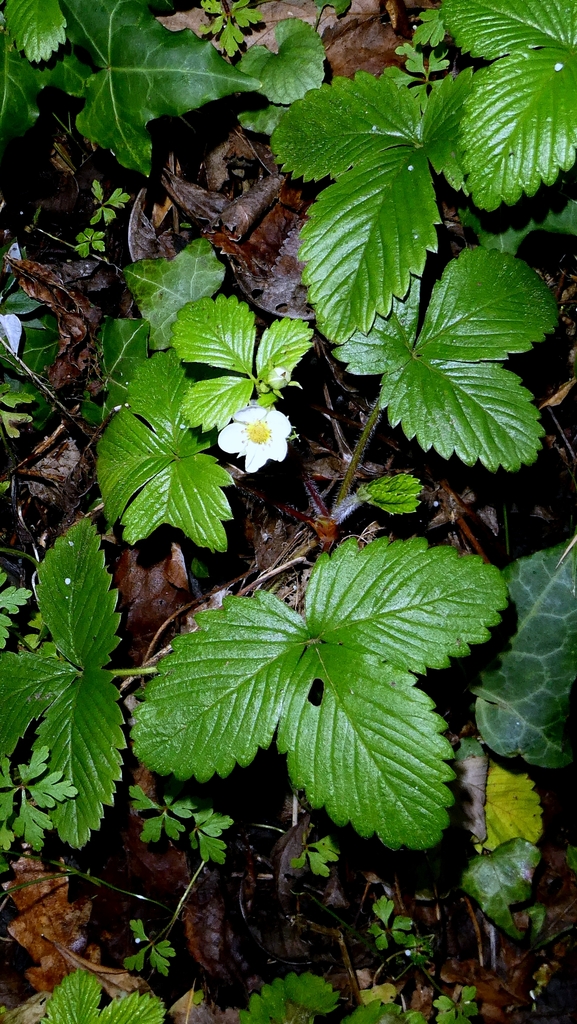
- Tres folíolos con bordes serrados
- Flores blancas con cinco pétalos
- Frutos cónicos rojos pequeños
- Tallos y estolones rojizos
- Altura
- 0,1 a 0,2m
- Anchura
- 0,2 a 0,4m
- Hojas
- verde intenso, siempreverde
- Flores
- blanco, 1 a 2cm
- Frutos
- rojo, Verano
Problemas a vigilar
- Babosas y caracolesComún
- OídioComún
- PulgonesComún
- Araña rojaPoco común
- Manchas foliaresPoco común
- Podredumbre grisPoco común
- Podredumbre radicularPoco común
- VerticilosisRara
- Babosas — Estos moluscos se alimentan de las hojas y los frutos maduros.
Por síntoma
Revisa tu fresa silvestre con una foto
Pocket Botanist mira una foto de tu planta y te dice qué le pasa y qué probar primero.
Cómo cultivarla
- Propagación
- espolones, semilla, division
- Cuándo plantar
- primavera, principios de otoño
- Cuidados en invierno
- Acolcha alrededor de la base para proteger las raíces de las fluctuaciones extremas de temperatura. En climas muy fríos, puedes cubrir las plantas con paja.
- En maceta
- Crece muy bien en macetas, siempre que utilices un recipiente de al menos 20 centímetros de profundidad con buen drenaje.
División de estolones
- 1. Identifica un estolón sano con una pequeña plántula.
- 2. Fija la plántula al suelo hasta que se formen raíces.
- 3. Corta el estolón de la planta madre.
Plantar hierbas aromáticas cerca puede ayudar a enmascarar el olor de las bayas de los visitantes hambrientos del jardín.
Buenas compañeras
Mantenla lejos de
- Col rizada — Compiten por los mismos nutrientes del suelo y espacio.
Especies parecidas
- Fragaria virginiana — Es una especie nativa de América del Norte estrechamente relacionada.
Ciencia
- Familia
- Rosaceae
- Género
- Fragaria
- Orden
- Rosales
- Clase
- Magnoliopsida
- Distribución natural
- Regiones templadas del hemisferio norte.
- Conservación
- Es una especie común y extendida que actualmente no preocupa para su conservación.
Coloniza los bordes de los bosques y los claros al extenderse por estolones para formar densas alfombras.
- Valor para la fauna
- fuente de néctar, fuente de alimento para la vida silvestre
- Polinizadores
- abejas, mariposas
- Usos
- cubresuelos, huerto comestible, planta de maceta
A lo largo del año
Indicadores ecológicos
- Humedad
- 5/9
- Nutrientes
- 5/9
- Salinidad
- 2/9
- Reacción del suelo
- 5/9
- Luz
- 5/9
- Temperatura
- 5/9
Taxonomía cotejada con GBIF.
Lo que más preguntan
- ¿Necesita pleno sol?
- Prefiere sombra parcial, pero tolera el pleno sol si se mantiene húmeda.
- ¿Se puede cultivar en maceta?
- Sí, prospera en macetas y cestas colgantes.
De dónde viene el nombre
Fragaria proviene de la palabra latina para fragante, refiriéndose al aroma de la fruta, mientras que vesca significa comestible.
Bueno saberlo
- Las semillas están en el exterior del fruto.
- Se propaga naturalmente por estolones.
- Se ha cultivado desde la antigüedad.
Que tu fresa silvestre siga creciendo
Esta página es una guía general. Guarda tu planta en Pocket Botanist y tendrás recordatorios de cuidado pensados para esta planta, además de un historial de cuidados que muestra qué ha funcionado.
Esta guía se ha generado con IA y se ha cotejado con la taxonomía de GBIF. Es información general, no asesoramiento botánico ni veterinario. Descubre cómo elaboramos estas guías.