 Pocket Botanist
Guía de plantas
Ajo.
Allium sativum
Pronunciación AL-ee-um sah-TEE-vum
También se conoce como Ajo cultivado, Ajo


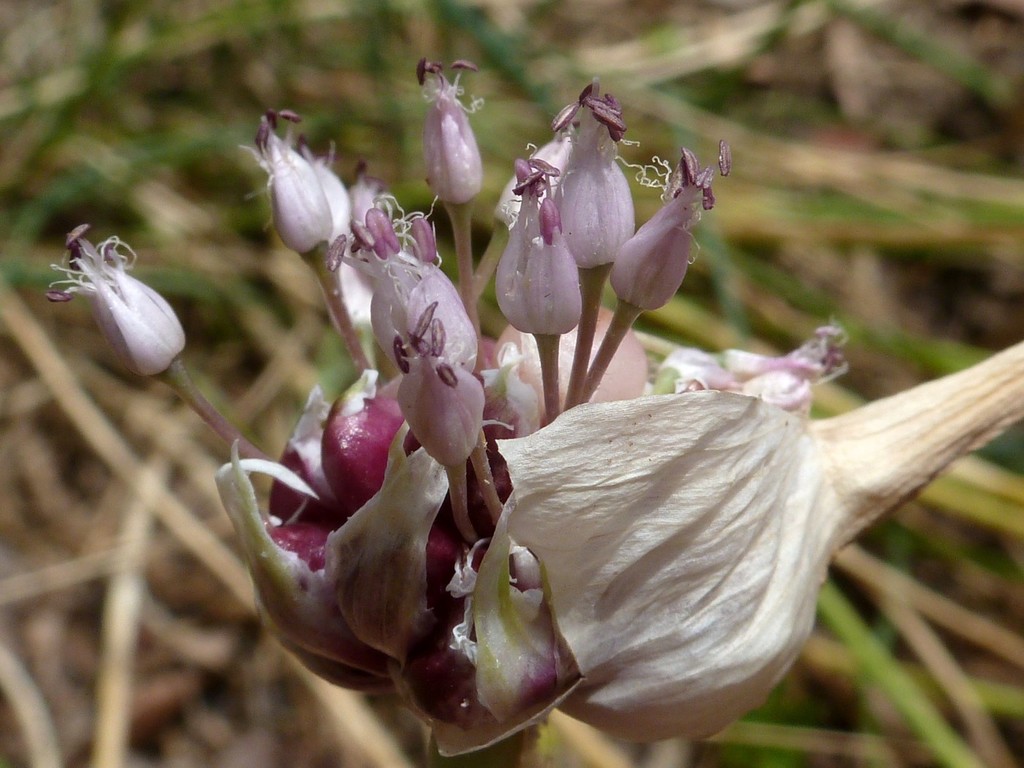
El ajo es una planta perenne bulbosa y resistente que se cultiva ampliamente por sus sabrosos dientes. Prospera en suelos bien drenados y requiere un período de frío para desarrollarse adecuadamente. Te encantará lo fácil que es cultivarlo en tu propio jardín.

De un vistazo
- Nivel de cuidados
- Fácil
- Tipo de planta
- Perenne bulbosa
- Luz
- Pleno sol
- Luz en interior
- Sol directo
- Riego
- Cada 7 a 10 días
- Tamaño adulto
- 2 pies de altura
- Ritmo de crecimiento
- Medio
- Rusticidad
- USDA 4 a 9
- Floración
- Finales de primavera a principios de verano
Cuidados
Planta los dientes en otoño y asegúrate de que el suelo permanezca húmedo pero no encharcado. Busca hojas amarillentas como señal de que los bulbos están listos para la cosecha. Mantén el área libre de malezas para evitar la competencia por los nutrientes.
- Riego
- Mantén el suelo consistentemente húmedo durante la temporada de crecimiento activo.
- Abonado
- Aplica un fertilizante equilibrado a principios de primavera para fomentar el desarrollo del bulbo.
- Poda
- Retira cualquier escapo floral que aparezca para dirigir la energía de vuelta al bulbo.
- Trasplante
- El ajo generalmente se cosecha anualmente en lugar de trasplantarse.
- Suelo
- Suelo franco bien drenado
- pH del suelo
- 6.0 a 7.0
- Temperatura
- -15 a 30°C
- Humedad
- 40 a 60%
- Tolerancia a la sequía
- Moderada
- Longevidad
- Perenne, típicamente cultivado como cultivo anual
- Fragancia
- Intensa
- Resistencia a ciervos y conejos
- Alta
Señales de que necesita trasplante
- Raíces que crecen por los agujeros de drenaje
- Bulbos que se apiñan en la maceta
- Crecimiento atrofiado a pesar del cuidado adecuado
Seguridad
- Personas
- El ajo es generalmente seguro para los humanos, aunque puede causar irritación en la piel en personas sensibles.
- Mascotas
- El ajo es tóxico para gatos y perros, ya que puede dañar sus glóbulos rojos.
- Niños
- Los bulbos de ajo no son tóxicos para los niños, pero representan un peligro de asfixia si se tragan enteros.
- Alérgenos por contacto
- Manipular ajo crudo puede causar dermatitis de contacto en personas sensibles debido al disulfuro de dialilo.
- Alérgenos en el aire
- El polen de ajo no es una causa común de alergias respiratorias.
- Comestibilidad
- Aunque se consume ampliamente, grandes cantidades de ajo crudo pueden causar malestar gastrointestinal en algunas personas.
Cómo identificarla
- Hojas largas y planas parecidas a la hierba
- Bulbo subterráneo con varios dientes
- Tallo floral central alto
- Flores pequeñas blancas o rosadas
- Altura
- 0,3 a 0,6m
- Anchura
- 0,1 a 0,15m
- Hojas
- verde, verde azulado, caducifolio
- Flores
- blanco, rosa, púrpura, 2 a 5cm
- Frutos
- blanco, púrpura, marrón, Mediados a finales de verano
Problemas a vigilar
- Mosca de la cebollaComún
- Podredumbre blanca de la cebollaComún
- Trips de la cebollaComún
- Podredumbre de los bulbosPoco común
- Podredumbre radicularPoco común
- RoyaPoco común
- Subida a florPoco común
- Podredumbre blandaRara
- Pudrición blanca — Una infección fúngica que hace que las hojas se pongan amarillas y las raíces se pudran.
- Trips de cebolla — Pequeños insectos que se alimentan de las hojas, causando vetas plateadas.
Por síntoma
Revisa tu ajo con una foto
Pocket Botanist mira una foto de tu planta y te dice qué le pasa y qué probar primero.
Cómo cultivarla
- Propagación
- división, bulbilos
- Cuándo plantar
- otoño
- Cuidados en invierno
- El ajo requiere un período de frío para desencadenar la formación del bulbo. Acolcha abundantemente a finales de otoño para proteger los dientes de las fluctuaciones extremas de temperatura.
- En maceta
- El ajo crece bien en macetas de al menos 20 centímetros de profundidad con buen drenaje.
División de bulbos
- 1. Separa el bulbo en dientes individuales.
- 2. Planta los dientes con el extremo puntiagudo hacia arriba en suelo bien drenado.
- 3. Separa los dientes de 10 a 15 centímetros.
- 4. Cubre con 5 centímetros de tierra.
- 5. Riega abundantemente después de plantar.
Planta ajo cerca de las rosas para ayudar a disuadir pulgones y otros insectos de cuerpo blando.
Buenas compañeras
Mantenla lejos de
- Espárrago de jardín — El ajo puede retrasar el crecimiento de los espárragos cuando se planta en proximidad.
- Judía común — El ajo puede inhibir el crecimiento de las habas al afectar las bacterias del suelo.
Especies parecidas
Ciencia
- Familia
- Amaryllidaceae
- Género
- Allium
- Orden
- Asparagales
- Clase
- Liliopsida
- Distribución natural
- Asia Central
- Conservación
- El ajo es un cultivo ampliamente cultivado y no es una preocupación de conservación.
El ajo sobrevive almacenando energía en su bulbo durante la temporada de crecimiento para volver a brotar después de un período de latencia fría.
- Valor para la fauna
- fuente de néctar, repele ciertas plagas de jardín
- Polinizadores
- abejas, mariposas
- Usos
- saborizante culinario, asociación de cultivos, medicina tradicional
A lo largo del año
Indicadores ecológicos
- Salinidad
- 2/9
- Reacción del suelo
- 6/9
- Temperatura
- 5/9
- Humedad
- 5/9
- Nutrientes
- 6/9
- Luz
- 8/9
Taxonomía cotejada con GBIF.
Lo que más preguntan
- ¿Cuándo debo cosechar el ajo?
- Cosecha cuando las hojas inferiores comiencen a ponerse marrones y secas.
- ¿Necesita el ajo pleno sol?
- Sí, prospera a pleno sol durante al menos seis horas al día.
De dónde viene el nombre
El nombre Allium es la palabra latina para ajo, mientras que sativum significa cultivado.
Bueno saberlo
- El ajo pertenece a la familia Amaryllidaceae.
- Se ha utilizado como repelente natural de insectos en jardines.
- Los antiguos egipcios alimentaban con ajo a los trabajadores para aumentar su fuerza.
- El olor penetrante proviene de compuestos de azufre liberados cuando el bulbo se aplasta.
También en
Que tu ajo siga creciendo
Esta página es una guía general. Guarda tu planta en Pocket Botanist y tendrás recordatorios de cuidado pensados para esta planta, además de un historial de cuidados que muestra qué ha funcionado.
Esta guía se ha generado con IA y se ha cotejado con la taxonomía de GBIF. Es información general, no asesoramiento botánico ni veterinario. Descubre cómo elaboramos estas guías.