 Pocket Botanist
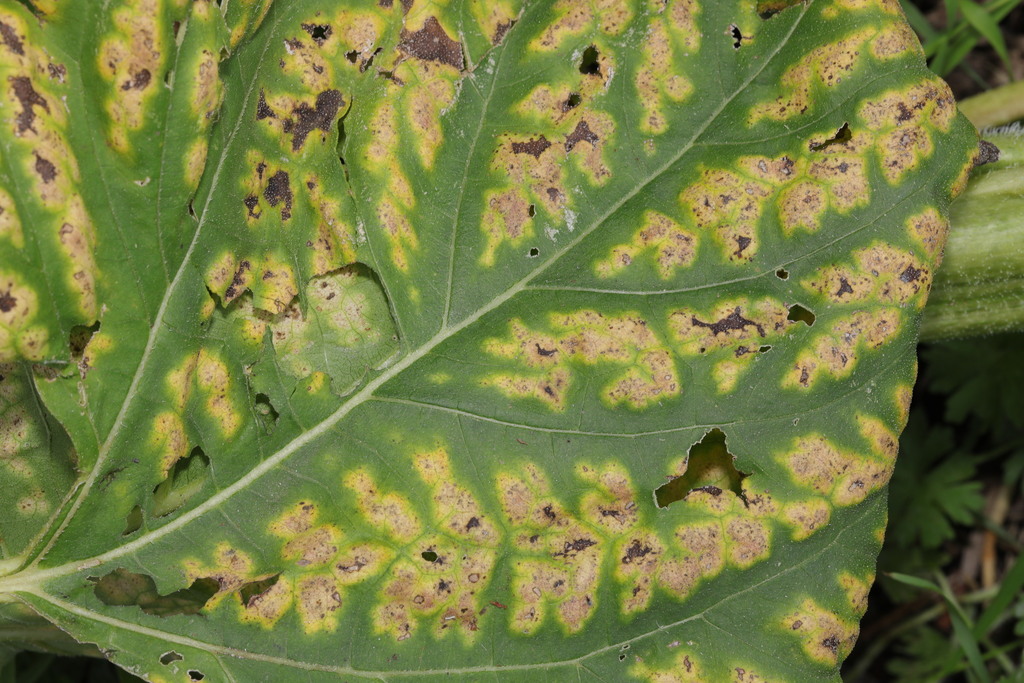
Symptoms by part
Whole plant
You will notice sudden wilting of leaves on one or more branches, often starting on one side of the plant before spreading.
Stems
If you peel back the bark on affected branches, you will see distinct dark or olive green streaks in the sapwood.
Causes
- Presence of the Verticillium fungus in the soil.
- Root damage caused by cultivation or digging near the base of the plant.
- Stressed plants struggling with poor drainage or fluctuating moisture levels.
Could be confused with
- Fusarium Wilt · Fusarium wilt mostly affects herbaceous plants and vegetables and is worse in hot weather, while Verticillium attacks both vegetables and woody trees and shrubs and prefers cooler soil. On vegetables the two look very similar, so only a lab test can reliably tell them apart.
- Drought Stress · Drought causes wilting across the entire plant equally, while Verticillium wilt usually starts on specific branches or one side of the plant.
Find out what's really wrong with your plant
Problems that look alike are easy to mix up. Pocket Botanist looks at a photo of your actual plant and tells you what's going on, how serious it is, and what to try first. Identification and a health check are free.



Scan with your phone's camera to get the app
Or go to pocketbotanist.app/get on your phone
Treatment
- Prune out individual infected branches by cutting back to healthy wood, ensuring you sterilize your tools with alcohol between every single cut.
- Provide deep, consistent watering to the root zone to help the plant manage its water transport issues.
- Apply a thick layer of organic mulch around the base to keep the soil cool and moist, which helps reduce stress.
Without chemicals
- Prune away dead or dying branches to improve air circulation.
- Sterilize all pruning equipment with rubbing alcohol after each cut to prevent moving the fungus to healthy parts of the plant.
- Remove and destroy severely infected plants, including as much of the root system as possible, to reduce the amount of fungus left in the soil.
Preventing it
- Choose resistant plant varieties when planting in areas where the fungus has been found previously.
- Avoid planting susceptible species in soil where known hosts like tomatoes or potatoes were recently grown.
- Maintain plant vigor with proper watering and avoid wounding the roots during garden maintenance.
Season
The warm growing season.
Spread risk
Moderate
Severity
High
When to act
Act as soon as you see branch dieback or internal wood discoloration. If the entire plant is wilting or the main trunk shows heavy streaking, remove the plant entirely as it cannot be cured.
Keep your plants healthy from here
Save your plants in Pocket Botanist and you get care reminders timed for each one, plus a care history that shows what worked. Identification and a health check are free.
Questions people ask
- Can I save a plant with Verticillium wilt?
- If the infection is limited to a few branches, you can sometimes prolong the plant's life by pruning, but the fungus remains in the soil and the plant will likely continue to struggle.
- How long does the fungus stay in the soil?
- The fungus can survive in the soil for many years, so it is best to avoid planting highly susceptible species in that same spot for a long time.
Plants it affects
Answers plant by plant
This guide was generated with AI on and is general information, not horticultural advice. Read about how we build these guides.