 Pocket Botanist
Plant guide
Purple Smokebush.
Cotinus coggygria 'Royal Purple'
Pronounced ko-TY-nus ko-GY-gree-uh
Also known as Cotinus coggygria 'Royal Purple', European smoketree, Smoke-Tree, Smoke-bush, Venetian Sumac, Venetian-sumac, Wig tree, fustet



Scan with your phone's camera to get the app
Or go to pocketbotanist.app/get on your phone
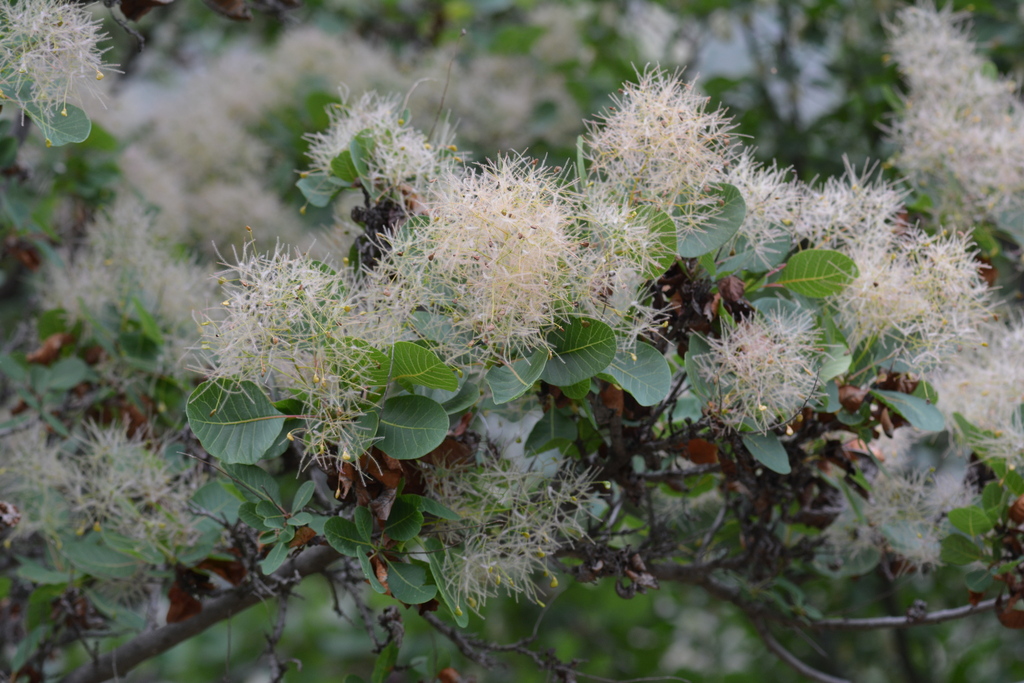
The purple smokebush is a stunning shrub known for its smoky, cloudlike flower clusters. It brings deep color to the landscape with its rich, dark foliage. This plant is a fantastic choice for adding texture and drama to your garden.

At a glance
- Care level
- Easy
- Plant type
- Deciduous shrub
- Light
- Full sun to partial shade
- Indoor light
- Bright indirect
- Water
- Every 7 to 14 days
- Mature size
- 4 to 5 meters
- Growth rate
- Medium
- Hardiness
- USDA 5 to 8
- Bloom time
- Late spring to early summer
Care
Plant in well draining soil and provide plenty of sun to keep the leaf color vibrant. Prune in late winter to encourage new growth and maintain a tidy shape. Watch for signs of verticillium wilt, like sudden wilting or branch dieback.
- Watering
- Water deeply once established, allowing the soil to dry out slightly between sessions.
- Feeding
- Apply a balanced slow release fertilizer in early spring.
- Pruning
- Prune in late winter or early spring to shape and encourage dense foliage.
- Repotting
- Repot young plants every few years if they become root bound.
- Soil
- Well draining, loamy soil
- Soil pH
- Neutral to slightly alkaline
- Temperature
- -25 to 35°C
- Humidity
- 40 to 70%
- Drought tolerance
- High
- Lifespan
- Perennial, typically 20 to 30 years.
- Deer and rabbits
- High
Signs it needs repotting
- Roots growing out of the drainage holes.
- Water running straight through the pot without soaking in.
- Stunted growth despite regular care.
Safety
- People
- The sap can cause skin irritation in sensitive individuals.
- Pets
- This plant is generally considered non-toxic to cats and dogs.
- Children
- The plant is not inherently dangerous, but ingestion of any part should be avoided.
- Contact allergens
- Contact with the sap may cause dermatitis in some people.
- Airborne allergens
- The pollen is generally not considered a major allergen.
- Edibility
- This plant is not considered edible and may cause stomach upset if ingested.
How to identify it
- Deep purple or reddish foliage
- Feathery, smoke like flower panicles
- Rounded, alternate leaves
- Scarlet to reddish purple fall color
- Height
- 3 to 4.5m
- Spread
- 3 to 4.5m
- Leaves
- green, purple, burgundy, deciduous
- Flowers
- pink, beige, 0.5 to 1cm
- Fruit
- brown, Late summer
Problems to watch for
- Leaf SpotCommon
- Verticillium WiltCommon
- AphidsUncommon
- Powdery MildewUncommon
Check your purple smokebush from a photo
Pocket Botanist looks at a photo of your plant and tells you what's wrong and what to try first.
Scan with your phone's camera to get the app
Or go to pocketbotanist.app/get on your phone
Growing it
- Propagation
- cuttings, seed, layering
- When to plant
- spring, autumn
- Overwintering
- It is quite hardy, but young plants may benefit from a layer of mulch around the base to protect roots from extreme temperature fluctuations.
- In containers
- It can grow in large containers, but ensure the pot is at least 20 gallons to accommodate its root system.
Softwood cuttings
- Take 4 to 6 inch cuttings in late spring.
- Remove lower leaves and dip the cut end in rooting hormone.
- Place in a moist, well draining potting mix.
- Keep in a bright, indirect light location until roots form.
Pair this shrub with drought tolerant perennials that appreciate the same sunny, well drained conditions.
Grows well with
- Lavender · They share similar requirements for sun and well drained soil.
- Russian Sage · The airy textures of both plants create a beautiful contrast.
Similar species
- American Smoke Tree · It is a larger, native relative with spectacular fall color.
Science
- Family
- Anacardiaceae
- Genus
- Cotinus
- Order
- Sapindales
- Class
- Magnoliopsida
- Native range
- Southern Europe to central China.
- Conservation
- This species is not of conservation concern.
It thrives in dry, rocky slopes and open woodlands where it tolerates poor soil conditions.
- Value to wildlife
- nectar source
- Pollinators
- bees, butterflies
- Uses
- ornamental shrub, specimen plant, hedge
Through the year
Ecological indicators
- Salinity
- 2/9
- Soil reaction
- 6/9
- Light
- 8/9
- Temperature
- 5/9
- Moisture
- 3/9
- Nutrients
- 2/9
Taxonomy resolved against GBIF.
Questions people ask
- Does it need pruning?
- Pruning is optional but helps maintain a compact shape or encourages vibrant new foliage.
- Why is it called smoke bush?
- The feathery, sterile flower stalks look like puffs of smoke covering the plant.
Where the name comes from
Cotinus is an ancient Greek name for a wild olive, while coggygria refers to the Greek word for a type of smoke tree.
Good to know
- Smoke bush leaves are often used in floral arrangements.
- The purple leaf varieties maintain their color best in full sun.
- It is highly adaptable to various soil types including rocky ground.
Also in
Keep your purple smokebush growing
This page is a general guide. Save your plant in Pocket Botanist and you get care reminders timed for this plant, plus a care history that shows what worked.
Scan with your phone's camera to get the app
Or go to pocketbotanist.app/get on your phone
This guide was generated with AI on and checked against GBIF taxonomy. It is general information, not horticultural or veterinary advice. Read about how we build these guides.