 Pocket Botanist
Plant guide
English lavender.
Lavandula angustifolia Mill.
Pronounced lav-AN-dew-lah an-gus-ti-FO-lee-ah
Also known as English Lavendar, English Lavender, Garden Lavender, Lavender


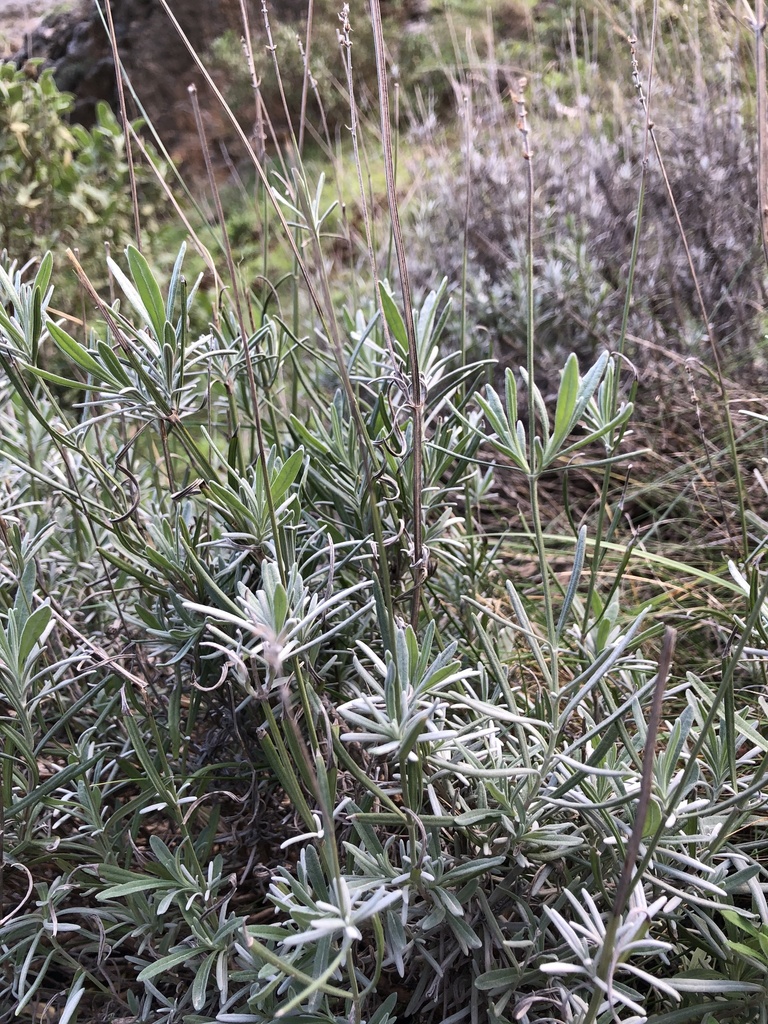
English lavender is a classic garden favorite known for its fragrant, purple flower spikes and silvery foliage. It thrives in sunny spots with well draining soil. You will love how it brings a Mediterranean feel to your outdoor space.

At a glance
- Care level
- Moderate
- Plant type
- Perennial shrub
- Light
- Full sun
- Indoor light
- Direct sun
- Water
- Every 7 to 14 days
- Mature size
- 2 to 3 feet
- Growth rate
- Medium
- Hardiness
- USDA 5 to 9
- Bloom time
- Early to mid summer
Care
Plant in very well draining soil to prevent root rot. Watch for yellowing leaves, which often signal too much moisture. Pruning after flowering keeps the plant from becoming too woody.
- Watering
- Allow the soil to dry out completely between waterings.
- Feeding
- Apply a light, balanced fertilizer once in early spring.
- Pruning
- Trim back by one third after the main flowering flush ends.
- Repotting
- Repot only when the plant becomes root bound in its container.
- Soil
- Sandy or gravelly, alkaline soil
- Soil pH
- 6.5 to 8.0
- Temperature
- -20 to 35°C
- Humidity
- 20 to 50%
- Drought tolerance
- High
- Lifespan
- Perennial, typically 5 to 10 years
- Fragrance
- Strong
- Deer and rabbits
- High
Signs it needs repotting
- Roots growing out of the drainage holes
- Water sitting on the surface for too long
- Plant growth has slowed significantly
Safety
- People
- It is generally considered non-toxic to humans when consumed in small culinary amounts.
- Pets
- Lavender is toxic to cats and dogs if ingested in large quantities.
- Children
- The plant is safe to handle, but ingestion of large quantities of raw foliage should be avoided by small children.
- Contact allergens
- Some people may experience skin irritation from the essential oils found in the foliage.
- Airborne allergens
- The pollen can trigger mild reactions in those sensitive to Lamiaceae family plants.
- Edibility
- Ensure you are using culinary grade lavender, as ornamental varieties may be treated with pesticides.
How to identify it
- Narrow, greyish green leaves
- Fragrant purple flower spikes
- Woody base stems
- Compact, mounded growth habit
- Height
- 0.3 to 0.9m
- Spread
- 0.3 to 0.9m
- Leaves
- gray-green, evergreen
- Flowers
- purple, lavender, blue, white, 1 to 8cm
Problems to watch for
- Root RotCommon
- SpittlebugsCommon
- Botrytis BlightUncommon
- Powdery MildewUncommon
By symptom
Check your english lavender from a photo
Pocket Botanist looks at a photo of your plant and tells you what's wrong and what to try first.
Growing it
- Propagation
- cuttings, seed
- When to plant
- spring, early autumn
- Overwintering
- Keep the soil on the drier side during winter to prevent root rot. In very cold climates, provide a light mulch around the base but keep it away from the stems.
- In containers
- It grows very well in containers, provided you use a pot with drainage holes and a gritty, fast draining soil mix.
Softwood cuttings
- Take a 10 cm cutting from non flowering growth in late spring.
- Remove the lower leaves.
- Dip the end in rooting hormone.
- Place in a pot with sandy, well draining soil.
- Keep moist and in bright, indirect light until rooted.
Group plants with similar low water needs to prevent accidental overwatering of your lavender.
Grows well with
Similar species
- Lavandin — A hybrid that is often larger and more vigorous than true lavender.
- Spanish Lavender — Features distinct flower heads with showy bracts.
Science
- Family
- Lamiaceae
- Genus
- Lavandula
- Order
- Lamiales
- Class
- Magnoliopsida
- Native range
- Mediterranean region
- Conservation
- This species is not of conservation concern and is widely cultivated.
It thrives in sunny, rocky, and well drained soils typical of Mediterranean scrublands.
- Value to wildlife
- nectar source, attracts beneficial insects
- Pollinators
- bees, butterflies, moths
- Uses
- culinary herb, ornamental border, dried floral arrangements, pollinator garden
Through the year
Ecological indicators
- Soil reaction
- 7/9
- Light
- 8/9
- Salinity
- 3/9
- Temperature
- 6/9
- Moisture
- 2/9
- Nutrients
- 2/9
Taxonomy resolved against GBIF.
Questions people ask
- Does it need pruning?
- Yes, prune lightly after flowering to maintain a bushy shape.
- Can I grow it in a pot?
- It thrives in containers as long as they have excellent drainage.
Where the name comes from
The genus name Lavandula is derived from the Latin word for washing, reflecting its historical use in baths.
Good to know
- Lavender has been used for centuries in sachets to scent linens.
- The name comes from the Latin lavare, meaning to wash.
- It is a member of the mint family.
- Lavender oil was historically used to disinfect hospital surfaces.
Also in
Keep your english lavender growing
This page is a general guide. Save your plant in Pocket Botanist and you get care reminders timed for this plant, plus a care history that shows what worked.
This guide was generated with AI and checked against GBIF taxonomy. It is general information, not horticultural or veterinary advice. Read about how we build these guides.