 Pocket Botanist
Symptoms by part
Stems
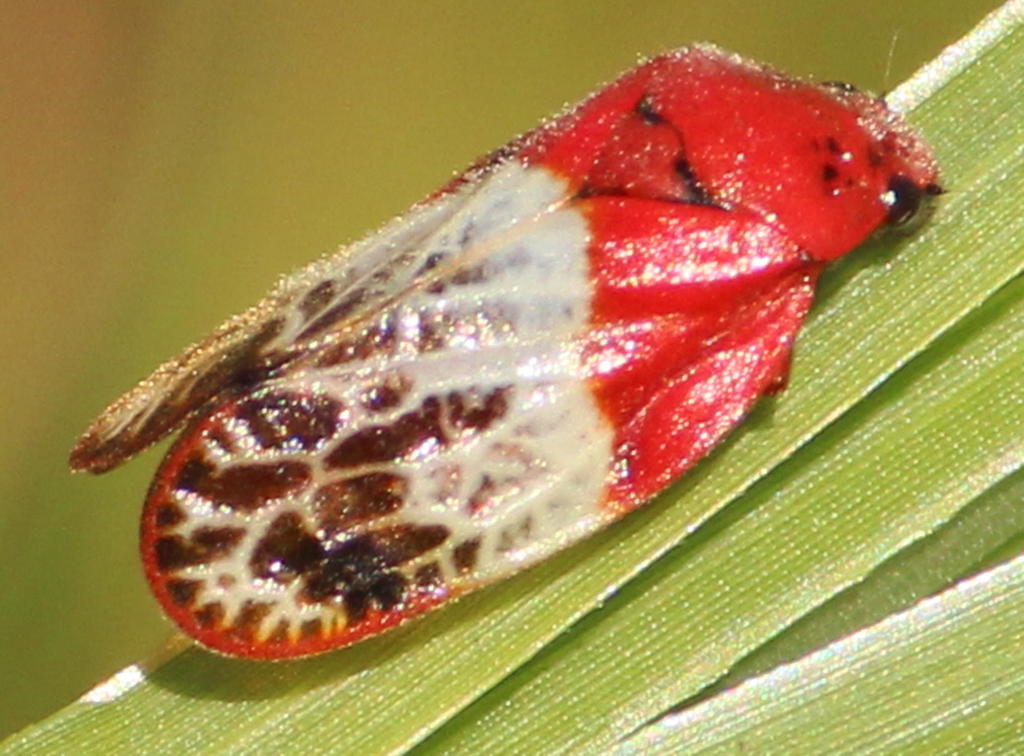
You will see clumps of white, bubbly foam that look like spit, often hiding a small, pale green or brown nymph feeding on the plant sap underneath.
Causes
- Warm and humid weather conditions.
- Lush, tender new growth on plants that provides easy access to sap.
- Overcrowded garden beds that limit airflow.
Could be confused with
- Mealybugs · Other insects rarely produce the characteristic frothy mass in the same way, and the presence of the nymph inside the foam is a dead giveaway for spittlebugs.
- Powdery mildew · Powdery mildew looks like a dusty, white fungal coating on leaves or stems rather than a wet, bubbly mass of foam.
Find out what's really wrong with your plant
Problems that look alike are easy to mix up. Pocket Botanist looks at a photo of your actual plant and tells you what's going on, how serious it is, and what to try first. Identification and a health check are free.



Scan with your phone's camera to get the app
Or go to pocketbotanist.app/get on your phone
Treatment
- Spray the foam off the stems using a firm stream of water from a garden hose.
- Handpick any visible nymphs from the stems after washing away the foam.
- Prune away heavily infested stems if the population is large enough to cause visible wilting.
Without chemicals
- Use a strong jet of water to dislodge the foam and nymphs.
- Prune back affected stems to improve airflow and remove the insects.
- Keep the area around the base of the plant clear of debris to reduce hiding spots.
Chemical options
- Fatty acids, spray directly onto the nymphs after washing away the foam, follow the label.
Preventing it
- Maintain good spacing between plants to ensure adequate airflow.
- Keep plants healthy with appropriate watering and feeding to help them withstand minor feeding.
- Remove weeds from the surrounding area that might serve as alternative hosts.
Season
The warm growing season.
Spread risk
Low
Severity
Low
When to act
Act as soon as you notice the foam to prevent the nymphs from maturing. You do not need to replace the plant, as it will almost always recover once the insects are removed.
Keep your plants healthy from here
Save your plants in Pocket Botanist and you get care reminders timed for each one, plus a care history that shows what worked. Identification and a health check are free.
Questions people ask
- Are spittlebugs harmful to my lavender?
- Generally, no. They feed on sap, but they rarely cause enough damage to hurt a mature, healthy lavender plant.
- Do I need to use pesticides to get rid of them?
- Usually not. A simple blast of water from your hose is often enough to knock them off and solve the problem.
- Will the foam hurt my pets or children?
- The foam is just a mixture of air and plant sap, so it is not toxic, though it is best to wash hands after touching it.
Plants it affects
Answers plant by plant
This guide was generated with AI on and is general information, not horticultural advice. Read about how we build these guides.