 Pocket Botanist
Guide botanique
lavande anglaise.
Lavandula angustifolia Mill.
Prononciation lav-AN-dew-lah an-gus-ti-FO-lee-ah
Aussi appelée Lavande anglaise, Lavande anglaise, Lavande de jardin, Lavande


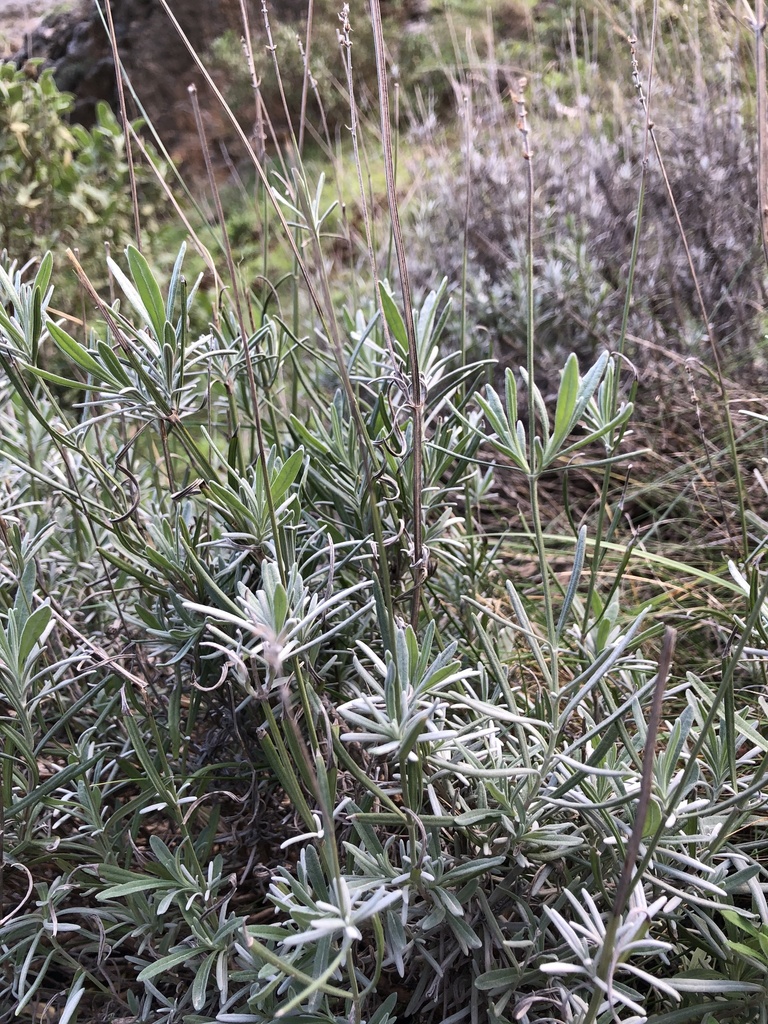
La lavande anglaise est un grand classique du jardin, connue pour ses épis floraux violets parfumés et son feuillage argenté. Elle prospère dans les endroits ensoleillés avec un sol bien drainé. Vous adorerez la touche méditerranéenne qu'elle apporte à votre espace extérieur.

En un coup d'œil
- Niveau d'entretien
- Moyenne
- Type de plante
- Arbuste vivace
- Lumière
- Plein soleil
- Lumière en intérieur
- Soleil direct
- Arrosage
- Tous les 7 à 14 jours
- Taille adulte
- 2 à 3 pieds
- Croissance
- Moyenne
- Rusticité
- USDA 5 à 9
- Floraison
- Début à mi-été
Entretien
Plantez dans un sol très bien drainé pour éviter la pourriture des racines. Surveillez le jaunissement des feuilles, qui signale souvent un excès d'humidité. La taille après la floraison évite que la plante ne devienne trop ligneuse.
- Arrosage
- Laissez le sol sécher complètement entre les arrosages.
- Engrais
- Appliquez un engrais léger et équilibré une fois au début du printemps.
- Taille
- Taillez d'un tiers après la fin de la principale floraison.
- Rempotage
- Rempotez seulement lorsque la plante est à l'étroit dans son conteneur.
- Sol
- Sol sableux ou graveleux, alcalin
- pH du sol
- 6.5 à 8.0
- Température
- -20 à 35°C
- Humidité
- 20 à 50%
- Résistance à la sécheresse
- Élevée
- Durée de vie
- Vivace, généralement de 5 à 10 ans
- Parfum
- Fort
- Résistance aux chevreuils et lapins
- Élevée
Signes qu'il faut rempoter
- Les racines sortent des trous de drainage
- L'eau stagne trop longtemps à la surface
- La croissance de la plante a considérablement ralenti
Sécurité
- Humains
- Elle est généralement considérée comme non toxique pour les humains lorsqu'elle est consommée en petites quantités culinaires.
- Animaux
- La lavande est toxique pour les chats et les chiens si ingérée en grandes quantités.
- Enfants
- La plante est sans danger à manipuler, mais l'ingestion de grandes quantités de feuillage brut doit être évitée par les jeunes enfants.
- Allergènes de contact
- Certaines personnes peuvent ressentir une irritation cutanée due aux huiles essentielles présentes dans le feuillage.
- Allergènes aéroportés
- Le pollen peut déclencher des réactions légères chez les personnes sensibles aux plantes de la famille des Lamiacées.
- Comestibilité
- Assurez-vous d'utiliser de la lavande de qualité culinaire, car les variétés ornementales peuvent être traitées avec des pesticides.
Comment l'identifier
- Feuilles étroites, vert grisâtre
- Épis floraux violets parfumés
- Tiges de base ligneuses
- Port compact, en monticule
- Hauteur
- 0,3 à 0,9m
- Envergure
- 0,3 à 0,9m
- Feuilles
- gris-vert, evergreen
- Fleurs
- violet, lavande, bleu, blanc, 1 à 8cm
Problèmes à surveiller
- CercopesCourant
- Pourriture des racinesCourant
- BotrytisPeu courant
- OïdiumPeu courant
- Cigales spumeuses — Petits insectes qui laissent des masses mousseuses sur les tiges mais causent rarement des dommages importants.
Vérifie la santé de ta plante en photo
Pocket Botanist analyse une photo de ta plante et te dit ce qui ne va pas et quoi essayer en premier.
La cultiver
- Multiplication
- bouturage, semis
- Quand planter
- printemps, début d'automne
- Hivernage
- Gardez le sol plus sec pendant l'hiver pour éviter la pourriture des racines. Dans les climats très froids, fournissez un léger paillis autour de la base mais éloignez-le des tiges.
- En pot
- Elle pousse très bien en conteneurs, à condition d'utiliser un pot avec des trous de drainage et un mélange de terre sableux et à drainage rapide.
Boutures de bois tendre
- Prenez une bouture de 10 cm sur une croissance non florale à la fin du printemps.
- Retirez les feuilles inférieures.
- Trempez l'extrémité dans de l'hormone d'enracinement.
- Placez dans un pot avec un sol sableux et bien drainant.
- Gardez humide et à la lumière vive et indirecte jusqu'à enracinement.
Regroupez les plantes ayant des besoins similaires en eau pour éviter un arrosage excessif accidentel de votre lavande.
Bonnes associations
Espèces similaires
- Lavandula x intermedia — Un hybride souvent plus grand et plus vigoureux que la vraie lavande.
- Lavandula stoechas — Présente des têtes florales distinctes avec des bractées voyantes.
Science
- Famille
- Lamiaceae
- Genre
- Lavandula
- Ordre
- Lamiales
- Classe
- Magnoliopsida
- Région d'origine
- Région méditerranéenne
- Préservation
- Cette espèce n'est pas préoccupante en matière de conservation et est largement cultivée.
Elle prospère dans les sols ensoleillés, rocheux et bien drainés, typiques des garrigues méditerranéennes.
- Intérêt pour la faune
- source de nectar, attire les insectes bénéfiques
- Pollinisateurs
- abeilles, papillons, papillons de nuit
- Utilisations
- herbe culinaire, bordure ornementale, arrangements floraux séchés, jardin pour pollinisateurs
Au fil des saisons
Repères écologiques
- Réaction du sol
- 7/9
- Lumière
- 8/9
- Salinité
- 3/9
- Température
- 6/9
- Humidité
- 2/9
- Nutriments
- 2/9
Taxonomie vérifiée avec le GBIF.
Ce qu'on demande souvent
- A-t-elle besoin d'être taillée ?
- Oui, taillez légèrement après la floraison pour maintenir une forme buissonnante.
- Puis-je la faire pousser en pot ?
- Elle prospère dans les conteneurs tant qu'ils ont un excellent drainage.
D'où vient le nom
Le nom du genre Lavandula est dérivé du mot latin pour laver, reflétant son utilisation historique dans les bains.
Bon à savoir
- La lavande est utilisée depuis des siècles dans des sachets pour parfumer le linge.
- Le nom vient du latin lavare, qui signifie laver.
- C'est un membre de la famille de la menthe.
- L'huile de lavande était historiquement utilisée pour désinfecter les surfaces des hôpitaux.
Aussi dans
Garde ta plante en pleine forme
Cette page est un guide général. Enregistre ta plante dans Pocket Botanist et tu reçois des rappels d'entretien adaptés à cette plante, ainsi qu'un historique d'entretien qui montre ce qui a marché.
Ce guide a été généré par IA et vérifié avec la taxonomie du GBIF. Il s'agit d'informations générales, et non de conseils horticoles ou vétérinaires. Découvre comment nous concevons ces guides.