 Pocket Botanist
Guía de plantas
Lavanda inglesa.
Lavandula angustifolia Mill.
Pronunciación lav-AN-dew-lah an-gus-ti-FO-lee-ah
También se conoce como Lavanda inglesa, Lavanda inglesa, Lavanda de jardín, Lavanda


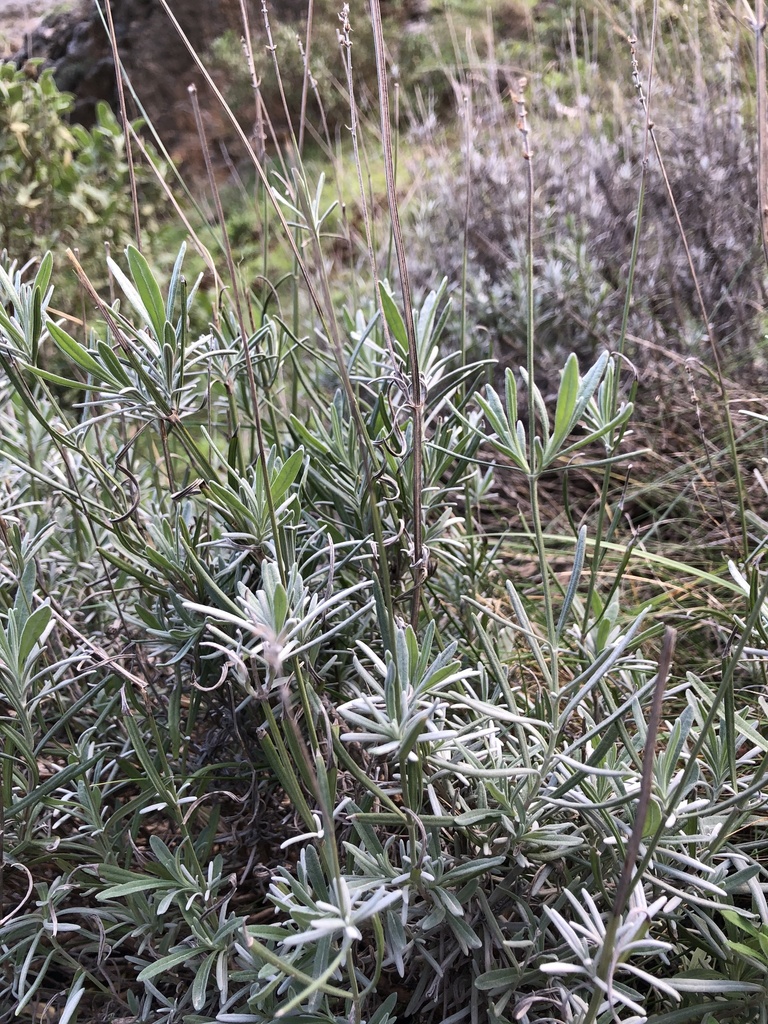
La lavanda inglesa es una planta clásica favorita en el jardín, conocida por sus espigas de flores púrpuras y fragantes y su follaje plateado. Prospera en lugares soleados con tierra bien drenada. Te encantará cómo aporta un toque mediterráneo a tu espacio exterior.

De un vistazo
- Nivel de cuidados
- Media
- Tipo de planta
- Arbusto perenne
- Luz
- Pleno sol
- Luz en interior
- Sol directo
- Riego
- Cada 7 a 14 días
- Tamaño adulto
- 2 a 3 pies
- Ritmo de crecimiento
- Medio
- Rusticidad
- USDA 5 a 9
- Floración
- Principios a mediados de verano
Cuidados
Planta en tierra muy bien drenada para evitar la pudrición de las raíces. Observa si las hojas amarillean, lo que a menudo indica demasiada humedad. Podar después de la floración evita que la planta se vuelva demasiado leñosa.
- Riego
- Deja que la tierra se seque completamente entre riegos.
- Abonado
- Aplica un fertilizante ligero y equilibrado una vez a principios de primavera.
- Poda
- Recorta un tercio después de que termine el principal pico de floración.
- Trasplante
- Trasplanta solo cuando la planta tenga las raíces apretadas en su contenedor.
- Suelo
- Tierra arenosa o de grava, alcalina
- pH del suelo
- 6.5 a 8.0
- Temperatura
- -20 a 35°C
- Humedad
- 20 a 50%
- Tolerancia a la sequía
- Alta
- Longevidad
- Perenne, típicamente de 5 a 10 años
- Fragancia
- Intensa
- Resistencia a ciervos y conejos
- Alta
Señales de que necesita trasplante
- Raíces que crecen fuera de los agujeros de drenaje
- El agua permanece en la superficie demasiado tiempo
- El crecimiento de la planta se ha ralentizado significativamente
Seguridad
- Personas
- Generalmente se considera no tóxica para los humanos cuando se consume en pequeñas cantidades culinarias.
- Mascotas
- La lavanda es tóxica para gatos y perros si se ingiere en grandes cantidades.
- Niños
- La planta es segura de manipular, pero la ingestión de grandes cantidades de follaje crudo debe ser evitada por niños pequeños.
- Alérgenos por contacto
- Algunas personas pueden experimentar irritación en la piel por los aceites esenciales que se encuentran en el follaje.
- Alérgenos en el aire
- El polen puede desencadenar reacciones leves en personas sensibles a las plantas de la familia Lamiaceae.
- Comestibilidad
- Asegúrate de estar usando lavanda de grado culinario, ya que las variedades ornamentales pueden haber sido tratadas con pesticidas.
Cómo identificarla
- Hojas estrechas de color verde grisáceo
- Espigas de flores púrpuras fragantes
- Tallos leñosos en la base
- Hábito de crecimiento compacto y redondeado
- Altura
- 0,3 a 0,9m
- Anchura
- 0,3 a 0,9m
- Hojas
- verde grisáceo, evergreen
- Flores
- púrpura, lavanda, azul, blanco, 1 a 8cm
Problemas a vigilar
- Cigarrillas espumadorasComún
- Podredumbre radicularComún
- BotritisPoco común
- OídioPoco común
- Pudrición de raíz — Ocurre cuando el suelo permanece demasiado húmedo o carece de un drenaje adecuado.
- Cercóspora de la hoja — Pequeños insectos que dejan masas espumosas en los tallos pero rara vez causan daños significativos.
Por síntoma
Revisa tu lavanda inglesa con una foto
Pocket Botanist mira una foto de tu planta y te dice qué le pasa y qué probar primero.
Cómo cultivarla
- Propagación
- esquejes, semilla
- Cuándo plantar
- primavera, principios de otoño
- Cuidados en invierno
- Mantén la tierra más seca durante el invierno para prevenir la pudrición de raíz. En climas muy fríos, proporciona una ligera capa de mantillo alrededor de la base pero mantenla alejada de los tallos.
- En maceta
- Crece muy bien en contenedores, siempre que utilices una maceta con agujeros de drenaje y una mezcla de tierra arenosa y de rápido drenaje.
Esquejes de madera blanda
- Toma un esqueje de 10 cm de crecimiento no floral a finales de primavera.
- Retira las hojas inferiores.
- Sumerge el extremo en hormona de enraizamiento.
- Coloca en una maceta con tierra arenosa y bien drenada.
- Mantén húmedo y con luz indirecta brillante hasta que enraíce.
Agrupa plantas con necesidades de agua bajas similares para evitar el riego excesivo accidental de tu lavanda.
Buenas compañeras
Especies parecidas
- Lavandula x intermedia — Un híbrido que suele ser más grande y vigoroso que la lavanda verdadera.
- Lavandula stoechas — Presenta cabezas de flores distintivas con brácteas llamativas.
Ciencia
- Familia
- Lamiaceae
- Género
- Lavandula
- Orden
- Lamiales
- Clase
- Magnoliopsida
- Distribución natural
- Región mediterránea
- Conservación
- Esta especie no es motivo de preocupación para la conservación y está ampliamente cultivada.
Prospera en suelos soleados, rocosos y bien drenados, típicos de matorrales mediterráneos.
- Valor para la fauna
- fuente de néctar, atrae insectos beneficiosos
- Polinizadores
- abejas, mariposas, polillas
- Usos
- hierba culinaria, borde ornamental, arreglos florales secos, jardín para polinizadores
A lo largo del año
Indicadores ecológicos
- Reacción del suelo
- 7/9
- Luz
- 8/9
- Salinidad
- 3/9
- Temperatura
- 6/9
- Humedad
- 2/9
- Nutrientes
- 2/9
Taxonomía cotejada con GBIF.
Lo que más preguntan
- ¿Necesita podarse?
- Sí, pódala ligeramente después de la floración para mantener una forma frondosa.
- ¿Puedo cultivarla en una maceta?
- Prospera en contenedores siempre que tengan un drenaje excelente.
De dónde viene el nombre
El nombre del género Lavandula deriva de la palabra latina para lavar, reflejando su uso histórico en baños.
Bueno saberlo
- La lavanda se ha utilizado durante siglos en bolsitas para perfumar la ropa de cama.
- El nombre proviene del latín lavare, que significa lavar.
- Es miembro de la familia de la menta.
- El aceite de lavanda se usaba históricamente para desinfectar superficies de hospitales.
También en
Que tu lavanda inglesa siga creciendo
Esta página es una guía general. Guarda tu planta en Pocket Botanist y tendrás recordatorios de cuidado pensados para esta planta, además de un historial de cuidados que muestra qué ha funcionado.
Esta guía se ha generado con IA y se ha cotejado con la taxonomía de GBIF. Es información general, no asesoramiento botánico ni veterinario. Descubre cómo elaboramos estas guías.