 Pocket Botanist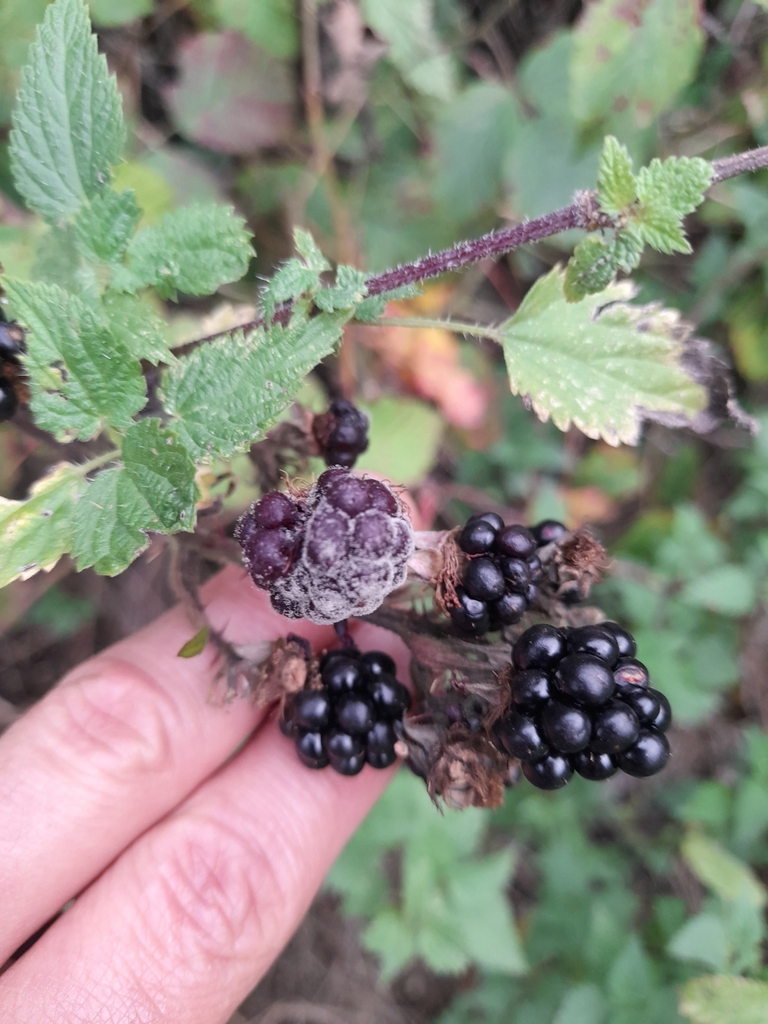
Symptoms by part
Leaves
Small, water-soaked spots that eventually turn brown and necrotic, often accompanied by a fuzzy gray fungal growth in high humidity.
Flowers
Petals develop tiny, pale spots or streaks, followed by rapid browning and decay, often causing the entire bloom to collapse and become covered in gray spores.
Fruit
Soft, mushy rot that spreads quickly across the surface, often showing a dusty, gray-brown fungal mat.
Causes
- High humidity levels consistently above 85 percent.
- Poor air circulation around the plant canopy.
- Cool temperatures combined with persistent moisture on plant surfaces.
- Overcrowding plants which traps stagnant air.
- Presence of decaying plant debris near healthy tissue.
Could be confused with
- Powdery Mildew · Powdery mildew looks like a dry, white dusting on the leaf surface, whereas Botrytis is a fuzzy, gray, moldy growth that causes rot.
- Bacterial Soft Rot · Bacterial rot usually produces a foul, fishy odor and a slimy texture, while Botrytis is characterized by its distinct gray, dusty spore masses.
Treatment
- Immediately prune away any infected flowers, leaves, or stems using clean, sharp shears to stop the spread.
- Dispose of all removed plant material in the trash, never in your compost pile, to prevent spores from lingering.
- Increase airflow around the plant by thinning out dense foliage or moving the container to a breezier location.
- Adjust your watering routine to apply water directly to the soil surface, keeping the foliage and blooms completely dry.
- Apply potassium bicarbonate to the affected areas to alter the pH and inhibit fungal growth, follow the label.
Without chemicals
- Prune out all dead or dying plant parts regularly.
- Space plants further apart to improve air movement.
- Use a fan to increase ventilation if plants are in a greenhouse or indoor space.
- Use a rain cover or move containers under an overhang during prolonged wet weather to keep foliage dry.
Chemical options
- Potassium bicarbonate, spray on leaves and flowers to inhibit fungal development, follow the label.
Preventing it
- Remove fallen leaves and spent blooms from the soil surface throughout the season.
- Water plants early in the morning so any accidental splashes have time to dry before evening.
- Avoid overhead irrigation that keeps leaves wet for extended periods.
- Ensure your garden beds or containers have excellent drainage to prevent excess moisture buildup.
Season
The disease is most active during the cool, damp periods of the warm growing season, especially during rainy spells or in early spring and late autumn.
Spread risk
High
Severity
Moderate
When to act
Act as soon as you spot the first fuzzy gray growth or water-soaked spots on your plants. If the infection has spread to the main stem or crown, it is best to remove and discard the entire plant to protect your remaining garden.
Think it's Botrytis Blight?
This guide covers the general picture. Pocket Botanist looks at your actual plant from a photo and tells you what's really going on, how serious it is, and what to try first. Identification and a health check are free.


Questions people ask
- Can I compost the infected plant parts?
- No, you should never compost infected material. The fungal spores are hardy and will likely survive the composting process, allowing them to reinfect your garden later.
- Why does my plant get Botrytis every year?
- It is likely that your garden environment consistently provides the cool, damp, and stagnant air conditions the fungus loves. Improving spacing and airflow is the best way to break this cycle.
Plants it affects
This guide was generated with AI and is general information, not horticultural advice. Read about how we build these guides.