 Pocket Botanist
Plant guide
Peony.
Paeonia
Pronounced pee-OH-nee-uh
Also known as Paeony, Peonies, peony


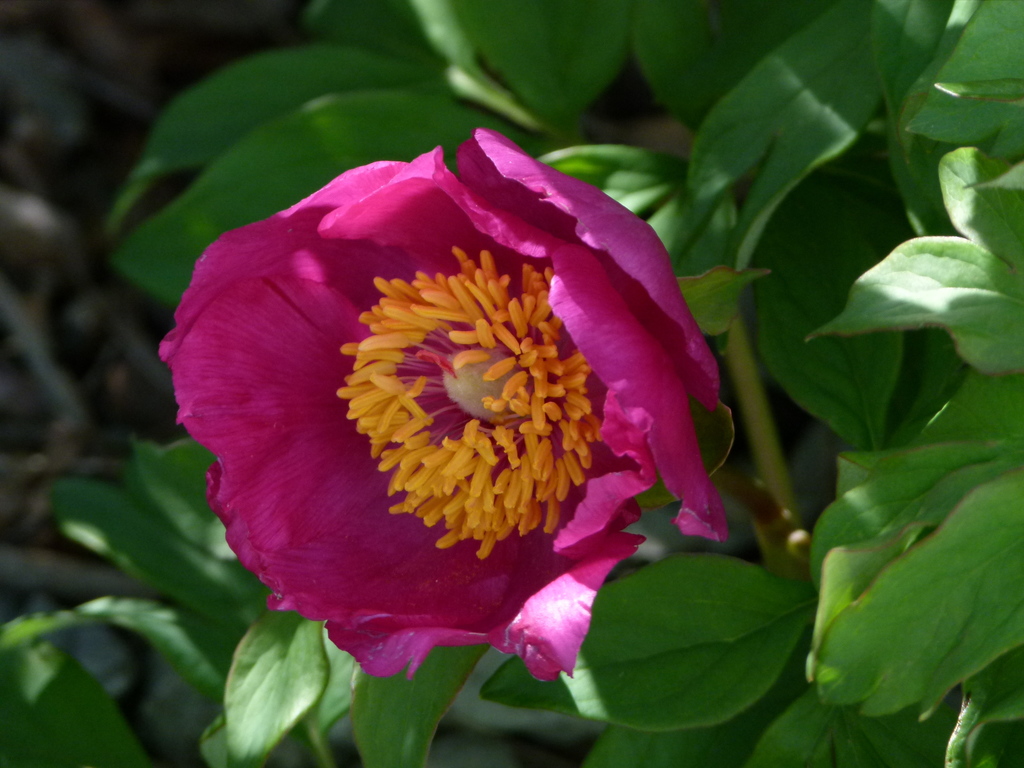
Peonies are classic garden favorites known for their lush, fragrant blooms that appear in late spring. These perennials are incredibly long lived and often stay in the same spot for decades. They thrive in temperate climates and bring a touch of elegance to any landscape.

At a glance
- Care level
- Moderate
- Plant type
- Perennial
- Light
- Full sun to light afternoon shade
- Indoor light
- Direct sun
- Water
- Every 7 to 14 days
- Mature size
- 2 to 4 feet tall and wide
- Growth rate
- Medium
- Hardiness
- USDA 3 to 8
- Bloom time
- Late spring to early summer
Care
Plant your peonies in a spot with well draining soil and plenty of sun to encourage the best blooms. Watch for signs of botrytis blight like brown spots on leaves or buds, and ensure good air circulation around the plant. Avoid planting them too deep, as this can prevent them from flowering properly.
- Watering
- Water deeply at the base of the plant to keep the soil consistently moist but not waterlogged.
- Feeding
- Apply a balanced fertilizer in early spring as new growth begins to emerge.
- Pruning
- Cut back herbaceous stems to the ground in late autumn after the first frost.
- Repotting
- Peonies dislike being moved, so only divide or transplant them every few years if they become overcrowded.
- Soil
- Rich, well draining, loamy soil
- Soil pH
- 6.5 to 7.5
- Temperature
- -30 to 30°C
- Humidity
- 40 to 60%
- Drought tolerance
- Moderate
- Lifespan
- Perennial, often living for 50+ years.
- Fragrance
- Light
- Deer and rabbits
- Moderate
Signs it needs repotting
- Reduced flowering or smaller blooms.
- Roots growing out of drainage holes.
- The plant appears crowded and is difficult to water.
- Slower growth than usual.
Safety
- People
- The plant contains paeonol, which can cause stomach upset if ingested in large quantities.
- Pets
- Peonies are considered mildly toxic to cats and dogs if ingested, potentially causing vomiting or diarrhea.
- Children
- The seeds and roots should be kept away from small children as they can be harmful if swallowed.
- Contact allergens
- The sap may cause mild skin irritation in sensitive individuals.
- Airborne allergens
- The pollen is generally not considered a major allergen.
- Edibility
- Peonies are not considered edible and can cause digestive distress if consumed.
How to identify it
- Large, showy, multi petaled flowers
- Deeply lobed, dark green foliage
- Sturdy, upright herbaceous stems
- Fleshy, tuberous root systems
- Height
- 0.6 to 1.2m
- Spread
- 0.6 to 1m
- Leaves
- dark green, deciduous
- Flowers
- pink, white, red, yellow, coral, 10 to 20cm
- Fruit
- black, red, Late summer
Problems to watch for
- Botrytis BlightCommon
- Leaf SpotUncommon
- Powdery MildewUncommon
- Scale InsectsUncommon
By symptom
Check your peony from a photo
Pocket Botanist looks at a photo of your plant and tells you what's wrong and what to try first.
Growing it
- Propagation
- division, seed
- When to plant
- fall, early spring
- Overwintering
- In colder climates, cut back the dead foliage after the first frost. Mulch the crown lightly to protect it from extreme cold. In milder climates, simply remove dead foliage.
- In containers
- Peonies can be grown in large containers, at least 15-20 gallons, but they prefer to be planted in the ground where they can establish a deep root system.
Division
- Carefully dig up the peony clump in the fall after the foliage has died back.
- Gently wash away excess soil to expose the root structure.
- Using a clean, sharp knife or spade, divide the root ball into sections, ensuring each section has at least 3-5 healthy buds and good root system.
- Replant the divisions immediately in well-prepared soil, ensuring the 'eyes' (buds) are no more than 1-2 inches below the soil surface.
- Water thoroughly after planting.
Seed (rarely done)
- Collect seeds from mature seed pods in late summer or fall.
- Stratify seeds by storing them in a moist medium (like peat moss or sand) in the refrigerator for several months.
- Sow seeds in pots or a prepared seedbed in the spring.
- Be patient, as seedlings may take several years to mature and bloom.
- Note: Seed-grown peonies may not come true to the parent variety.
Plant peonies with early spring bulbs to provide color before the peony foliage fully emerges.
Grows well with
Similar species
- Tree Peony — It has woody stems unlike the herbaceous types.
Science
- Family
- Paeoniaceae
- Genus
- Paeonia
- Order
- Saxifragales
- Class
- Magnoliopsida
- Native range
- Temperate regions of Asia, Europe, and Western North America.
- Conservation
- Most garden peonies are hybrids and not of conservation concern.
Peonies are adapted to open, sunny meadows and woodland edges where they benefit from seasonal dormancy.
- Value to wildlife
- nectar source
- Pollinators
- bees, butterflies, beetles
- Uses
- ornamental garden plant, cut flowers
Through the year
Ecological indicators
- Soil reaction
- 6/9
- Light
- 7/9
- Salinity
- 2/9
- Temperature
- 4/9
- Moisture
- 5/9
- Nutrients
- 6/9
Taxonomy resolved against GBIF.
Questions people ask
- Why won't my peony bloom?
- It is likely planted too deep or does not receive enough sunlight.
- Do I need to stake my peonies?
- Yes, the large blooms often become heavy and need support to stay upright.
Where the name comes from
The name honors Paeon, a physician to the gods in Greek mythology, who was turned into the flower. The genus name Paeonia reflects this ancient association.
Good to know
- Peonies were once used in traditional medicine for various ailments.
- Ants are often seen on peony buds because they feed on the sweet nectar produced by the plant.
- The flowers are a symbol of prosperity and honor in many cultures.
Also in
Keep your peony growing
This page is a general guide. Save your plant in Pocket Botanist and you get care reminders timed for this plant, plus a care history that shows what worked.
This guide was generated with AI and checked against GBIF taxonomy. It is general information, not horticultural or veterinary advice. Read about how we build these guides.