 Pocket Botanist
Guía de plantas
Peonía.
Paeonia
Pronunciación pee-OH-nee-uh
También se conoce como Peonía, Peonías, peonía


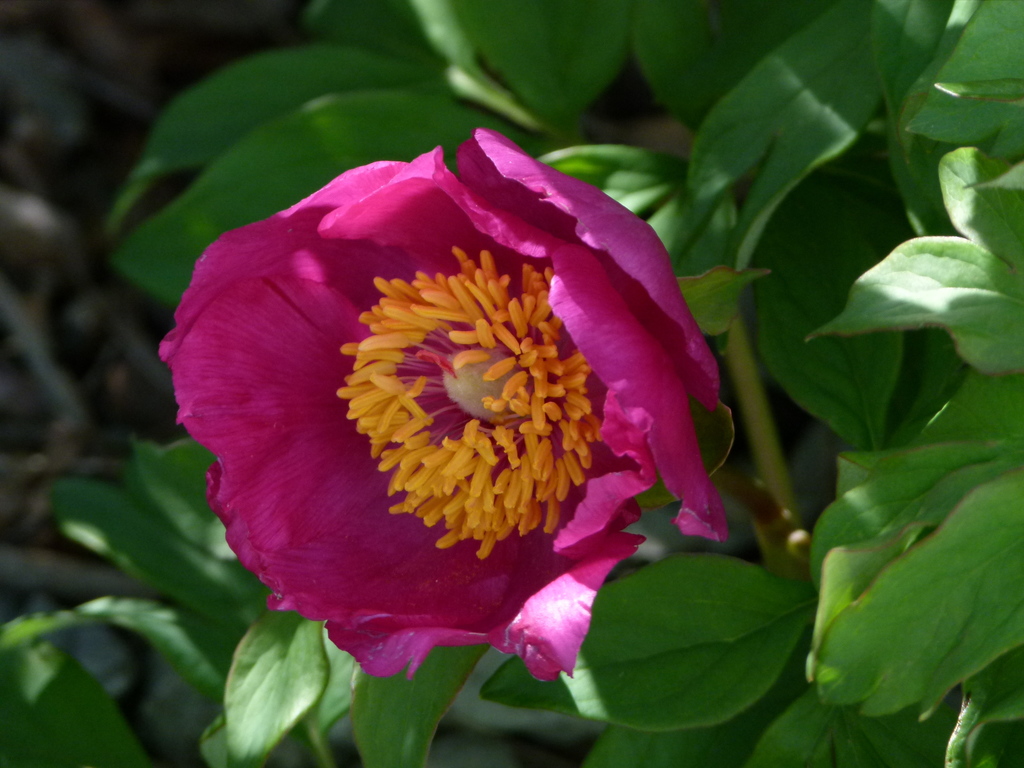
Las peonías son favoritas clásicas de los jardines, conocidas por sus exuberantes y fragantes floraciones que aparecen a finales de la primavera. Estas perennes son increíblemente longevas y a menudo permanecen en el mismo lugar durante décadas. Prosperan en climas templados y aportan un toque de elegancia a cualquier paisaje.

De un vistazo
- Nivel de cuidados
- Media
- Tipo de planta
- Perenne
- Luz
- Pleno sol a sombra ligera por la tarde
- Luz en interior
- Sol directo
- Riego
- Cada 7 a 14 días
- Tamaño adulto
- 2 a 4 pies de alto y de ancho
- Ritmo de crecimiento
- Medio
- Rusticidad
- USDA 3 a 8
- Floración
- Finales de primavera a principios de verano
Cuidados
Planta tus peonías en un lugar con suelo bien drenado y mucho sol para fomentar las mejores floraciones. Presta atención a signos de botritis como manchas marrones en las hojas o los capullos, y asegura una buena circulación de aire alrededor de la planta. Evita plantarlas demasiado profundas, ya que esto puede impedir que florezcan correctamente.
- Riego
- Riega profundamente en la base de la planta para mantener la tierra constantemente húmeda pero no encharcada.
- Abonado
- Aplica un fertilizante equilibrado a principios de primavera, cuando comience a brotar el nuevo crecimiento.
- Poda
- Recorta los tallos herbáceos hasta el suelo a finales de otoño, después de la primera helada.
- Trasplante
- Las peonías no aprecian que las muevan, así que divídelas o trasplántalas solo cada pocos años si se vuelven demasiado apretadas.
- Suelo
- Suelo rico, bien drenado y franco
- pH del suelo
- 6.5 a 7.5
- Temperatura
- -30 a 30°C
- Humedad
- 40 a 60%
- Tolerancia a la sequía
- Moderada
- Longevidad
- Perenne, a menudo viviendo más de 50 años.
- Fragancia
- Suave
- Resistencia a ciervos y conejos
- Moderada
Señales de que necesita trasplante
- Floración reducida o flores más pequeñas.
- Raíces que crecen por los agujeros de drenaje.
- La planta parece abarrotada y es difícil de regar.
- Crecimiento más lento de lo habitual.
Seguridad
- Personas
- La planta contiene paeonol, que puede causar malestar estomacal si se ingiere en grandes cantidades.
- Mascotas
- Las peonías se consideran ligeramente tóxicas para gatos y perros si se ingieren, pudiendo causar vómitos o diarrea.
- Niños
- Las semillas y las raíces deben mantenerse alejadas de los niños pequeños, ya que pueden ser perjudiciales si se tragan.
- Alérgenos por contacto
- La savia puede causar una leve irritación de la piel en personas sensibles.
- Alérgenos en el aire
- El polen generalmente no se considera un alérgeno importante.
- Comestibilidad
- Las peonías no se consideran comestibles y pueden causar malestar digestivo si se consumen.
Cómo identificarla
- Flores grandes, vistosas y multipétalas
- Follaje de color verde oscuro, profundamente lobulado
- Tallos herbáceos robustos y erguidos
- Sistemas radiculares tuberosos y carnosos
- Altura
- 0,6 a 1,2m
- Anchura
- 0,6 a 1m
- Hojas
- verde oscuro, caducifolio
- Flores
- rosa, blanco, rojo, amarillo, coral, 10 a 20cm
- Frutos
- negro, rojo, Finales de verano
Problemas a vigilar
- BotritisComún
- CochinillasPoco común
- Manchas foliaresPoco común
- OídioPoco común
- Mildiú de Botrytis — Una infección fúngica que causa manchas marrones en hojas y capullos.
- Cochinilla de la peonía — Pequeños insectos que se adhieren a los tallos y chupan la savia de la planta.
Por síntoma
Revisa tu peonía con una foto
Pocket Botanist mira una foto de tu planta y te dice qué le pasa y qué probar primero.
Cómo cultivarla
- Propagación
- división, semilla
- Cuándo plantar
- otoño, principios de primavera
- Cuidados en invierno
- En climas más fríos, recorta el follaje muerto después de la primera helada. Cubre la corona ligeramente para protegerla del frío extremo. En climas más templados, simplemente retira el follaje muerto.
- En maceta
- Las peonías se pueden cultivar en contenedores grandes, de al menos 15-20 galones, pero prefieren ser plantadas en el suelo donde puedan establecer un sistema de raíces profundo.
División
- Desentierra con cuidado el grupo de peonías en otoño, después de que el follaje se haya marchitado.
- Lava suavemente el exceso de tierra para exponer la estructura de la raíz.
- Usando un cuchillo o pala limpia y afilada, divide la mata de raíces en secciones, asegurándote de que cada sección tenga al menos 3-5 capullos sanos y un buen sistema de raíces.
- Vuelve a plantar las divisiones inmediatamente en tierra bien preparada, asegurándote de que los 'ojos' (capullos) estén a no más de 1-2 pulgadas por debajo de la superficie del suelo.
- Riega a fondo después de plantar.
Semilla (raramente se hace)
- Recolecta semillas de vainas maduras a finales de verano o principios de otoño.
- Estratifica las semillas almacenándolas en un medio húmedo (como turba o arena) en el refrigerador durante varios meses.
- Siembra las semillas en macetas o en un semillero preparado en primavera.
- Ten paciencia, ya que las plántulas pueden tardar varios años en madurar y florecer.
- Nota: Las peonías cultivadas a partir de semillas pueden no ser idénticas a la variedad original.
Planta peonías con bulbos de principios de primavera para proporcionar color antes de que el follaje de la peonía emerja por completo.
Buenas compañeras
- Nepeta — El hábito de crecimiento bajo del catmint y su larga floración pueden rellenar alrededor de la base de las peonías, proporcionando color continuo.
- Lirio barbudo — They share similar light and soil requirements.
Especies parecidas
- Paeonia suffruticosa — Las peonías arbóreas son arbustos leñosos que no mueren hasta el suelo en invierno, a diferencia de las peonías herbáceas.
Ciencia
- Familia
- Paeoniaceae
- Género
- Paeonia
- Orden
- Saxifragales
- Clase
- Magnoliopsida
- Distribución natural
- Regiones templadas de Asia, Europa y el oeste de América del Norte.
- Conservación
- La mayoría de las peonías de jardín son híbridos y no son motivo de preocupación para la conservación.
Las peonías están adaptadas a prados abiertos y soleados y a los bordes del bosque donde se benefician de la latencia estacional.
- Valor para la fauna
- fuente de néctar
- Polinizadores
- abejas, mariposas, escarabajos
- Usos
- planta ornamental de jardín, flores de corte
A lo largo del año
Indicadores ecológicos
- Reacción del suelo
- 6/9
- Luz
- 7/9
- Salinidad
- 2/9
- Temperatura
- 4/9
- Humedad
- 5/9
- Nutrientes
- 6/9
Taxonomía cotejada con GBIF.
Lo que más preguntan
- ¿Por qué no florece mi peonía?
- Probablemente esté plantada demasiado profunda o no reciba suficiente luz solar.
- ¿Necesito entutorar mis peonías?
- Sí, las flores grandes a menudo se vuelven pesadas y necesitan soporte para mantenerse erguidas.
De dónde viene el nombre
El nombre honra a Paeon, un médico de los dioses en la mitología griega, que fue transformado en la flor. El nombre del género Paeonia refleja esta antigua asociación.
Bueno saberlo
- Los peonías se usaban antiguamente en la medicina tradicional para diversas dolencias.
- A menudo se ven hormigas en los capullos de las peonías porque se alimentan del dulce néctar que produce la planta.
- Las flores son un símbolo de prosperidad y honor en muchas culturas.
También en
Que tu peonía siga creciendo
Esta página es una guía general. Guarda tu planta en Pocket Botanist y tendrás recordatorios de cuidado pensados para esta planta, además de un historial de cuidados que muestra qué ha funcionado.
Esta guía se ha generado con IA y se ha cotejado con la taxonomía de GBIF. Es información general, no asesoramiento botánico ni veterinario. Descubre cómo elaboramos estas guías.