 Pocket Botanist
Guide botanique
Pivoine.
Paeonia
Prononciation pee-OH-nee-uh
Aussi appelée Paeony, Pivoines, pivoine


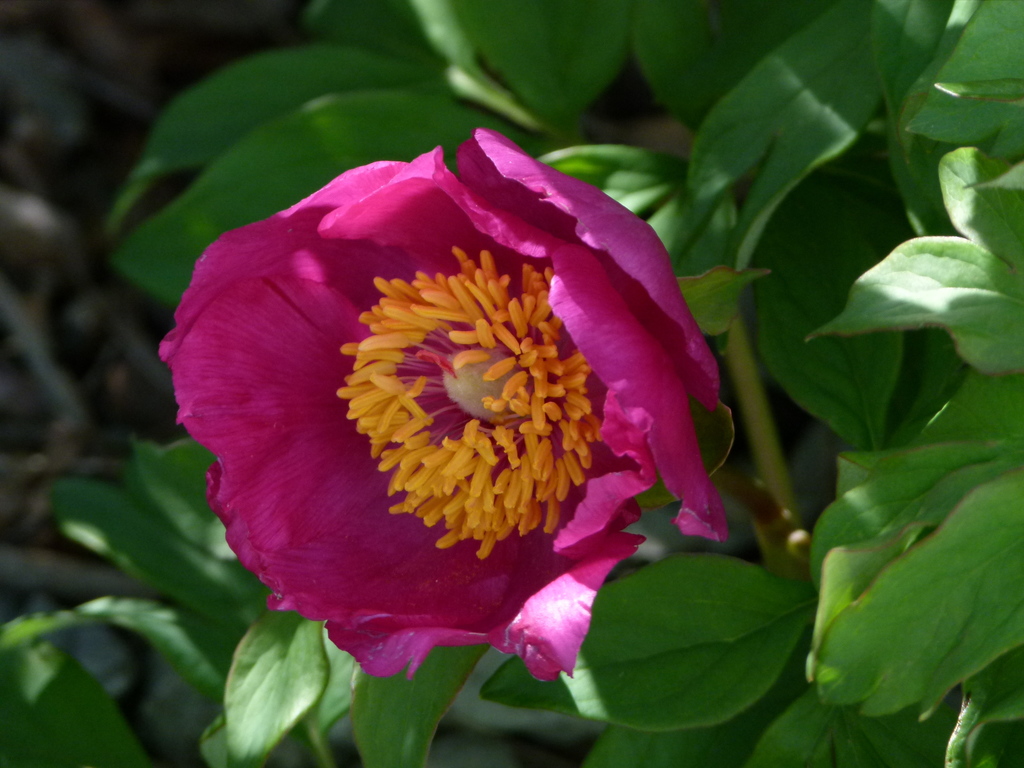
Les pivoines sont des favorites classiques du jardin, connues pour leurs fleurs luxuriantes et parfumées qui apparaissent à la fin du printemps. Ces vivaces sont incroyablement durables et restent souvent au même endroit pendant des décennies. Elles prospèrent dans les climats tempérés et apportent une touche d'élégance à tout paysage.

En un coup d'œil
- Niveau d'entretien
- Moyenne
- Type de plante
- Vivace
- Lumière
- Plein soleil à ombre légère l'après-midi
- Lumière en intérieur
- Soleil direct
- Arrosage
- Tous les 7 à 14 jours
- Taille adulte
- 2 à 4 pieds de haut et de large
- Croissance
- Moyenne
- Rusticité
- USDA 3 à 8
- Floraison
- Fin du printemps au début de l'été
Entretien
Plantez vos pivoines dans un endroit avec un sol bien drainé et beaucoup de soleil pour encourager les meilleures floraisons. Surveillez les signes de la pourriture grise comme des taches brunes sur les feuilles ou les bourgeons, et assurez une bonne circulation de l'air autour de la plante. Évitez de les planter trop profondément, car cela pourrait les empêcher de fleurir correctement.
- Arrosage
- Arrosez profondément à la base de la plante pour garder le sol constamment humide mais pas détrempé.
- Engrais
- Appliquez un engrais équilibré au début du printemps, dès que la nouvelle croissance commence à apparaître.
- Taille
- Coupez les tiges herbacées jusqu'au sol à la fin de l'automne après le premier gel.
- Rempotage
- Les pivoines n'aiment pas être déplacées, alors ne les divisez ou ne les transplantez que tous les quelques années si elles deviennent trop à l'étroit.
- Sol
- Sol riche, bien drainé et limoneux
- pH du sol
- 6,5 à 7,5
- Température
- -30 à 30°C
- Humidité
- 40 à 60%
- Résistance à la sécheresse
- Moyenne
- Durée de vie
- Vivace, vit souvent 50 ans et plus.
- Parfum
- Léger
- Résistance aux chevreuils et lapins
- Moyenne
Signes qu'il faut rempoter
- Floraison réduite ou fleurs plus petites.
- Les racines sortent des trous de drainage.
- La plante semble à l'étroit et est difficile à arroser.
- Croissance plus lente que d'habitude.
Sécurité
- Humains
- La plante contient du paeonol, qui peut provoquer des maux d'estomac si ingéré en grande quantité.
- Animaux
- Les pivoines sont considérées comme légèrement toxiques pour les chats et les chiens si elles sont ingérées, pouvant causer des vomissements ou de la diarrhée.
- Enfants
- Les graines et les racines doivent être tenues à l'écart des jeunes enfants car elles peuvent être nocives en cas d'ingestion.
- Allergènes de contact
- La sève peut provoquer une légère irritation cutanée chez les personnes sensibles.
- Allergènes aéroportés
- Le pollen n'est généralement pas considéré comme un allergène majeur.
- Comestibilité
- Les pivoines ne sont pas considérées comme comestibles et peuvent causer des troubles digestifs si elles sont consommées.
Comment l'identifier
- Grandes fleurs voyantes et multi-pétales
- Feuillage vert foncé profondément lobé
- Tiges herbacées robustes et dressées
- Systèmes racinaires charnus et tubéreux
- Hauteur
- 0,6 à 1,2m
- Envergure
- 0,6 à 1m
- Feuilles
- vert foncé, feuilles caduques
- Fleurs
- rose, blanc, rouge, jaune, corail, 10 à 20cm
- Fruits
- noir, rouge, Fin de l'été
Problèmes à surveiller
- BotrytisCourant
- CochenillesPeu courant
- OïdiumPeu courant
- Taches foliairesPeu courant
- Moisissure grise — Une infection fongique qui provoque des taches brunes sur les feuilles et les boutons.
- Cochenille de la pivoine — De petits insectes qui s'attachent aux tiges et sucent la sève de la plante.
Par symptôme
Vérifie la santé de ta plante en photo
Pocket Botanist analyse une photo de ta plante et te dit ce qui ne va pas et quoi essayer en premier.
La cultiver
- Multiplication
- division, semis
- Quand planter
- automne, début du printemps
- Hivernage
- Dans les climats froids, coupez le feuillage mort après le premier gel. Pailllez légèrement la couronne pour la protéger du froid extrême. Dans les climats plus doux, retirez simplement le feuillage mort.
- En pot
- Les pivoines peuvent être cultivées dans de grands conteneurs, d'au moins 75 à 100 litres, mais elles préfèrent être plantées en pleine terre où elles peuvent établir un système racinaire profond.
Division
- Dégagez soigneusement la touffe de pivoine à l'automne, une fois le feuillage fané.
- Lavez doucement l'excès de terre pour exposer la structure racinaire.
- À l'aide d'un couteau ou d'une bêche propre et tranchante, divisez la motte en sections, en veillant à ce que chaque section ait au moins 3 à 5 bourgeons sains et un bon système racinaire.
- Replacez immédiatement les divisions dans un sol bien préparé, en vous assurant que les « yeux » (bourgeons) ne soient pas à plus de 2 à 5 cm sous la surface du sol.
- Arrosez abondamment après la plantation.
Semis (rarement fait)
- Récoltez les graines des cosses matures à la fin de l'été ou à l'automne.
- Stratifiez les graines en les conservant dans un milieu humide (comme de la tourbe ou du sable) au réfrigérateur pendant plusieurs mois.
- Semez les graines en pots ou en place dans un lit de semence préparé au printemps.
- Soyez patient, car les plantules peuvent prendre plusieurs années pour mûrir et fleurir.
- Remarque : les pivoines issues de semis peuvent ne pas être identiques à la variété mère.
Plantez des pivoines avec des bulbes de début de printemps pour apporter de la couleur avant que le feuillage de la pivoine n'émerge complètement.
Bonnes associations
- Herbe aux chats — Elle offre un joli contraste textuel et fleurit à la même période.
- Iris barbu — Ils partagent des exigences de lumière et de sol similaires.
Espèces similaires
- Paeonia suffruticosa — Elle a des tiges ligneuses contrairement aux types herbacés.
Science
- Famille
- Paeoniaceae
- Genre
- Paeonia
- Ordre
- Saxifragales
- Classe
- Magnoliopsida
- Région d'origine
- Régions tempérées d'Asie, d'Europe et de l'Ouest de l'Amérique du Nord.
- Préservation
- La plupart des pivoines de jardin sont des hybrides et ne sont pas préoccupantes pour la conservation.
Les pivoines sont adaptées aux prairies ouvertes et ensoleillées et aux lisières de forêts où elles bénéficient d'une dormance saisonnière.
- Intérêt pour la faune
- source de nectar
- Pollinisateurs
- abeilles, papillons, coléoptères
- Utilisations
- plante ornementale de jardin, fleurs coupées
Au fil des saisons
Repères écologiques
- Réaction du sol
- 6/9
- Lumière
- 7/9
- Salinité
- 2/9
- Température
- 4/9
- Humidité
- 5/9
- Nutriments
- 6/9
Taxonomie vérifiée avec le GBIF.
Ce qu'on demande souvent
- Pourquoi ma pivoine ne fleurit-elle pas ?
- Elle est probablement plantée trop profondément ou ne reçoit pas assez de soleil.
- Dois-je tuteurer mes pivoines ?
- Oui, les grosses fleurs deviennent souvent lourdes et ont besoin d'un support pour rester droites.
D'où vient le nom
Le nom honore Paeon, un médecin des dieux dans la mythologie grecque, qui fut transformé en fleur. Le nom du genre Paeonia reflète cette ancienne association.
Bon à savoir
- Les pivoines étaient autrefois utilisées dans la médecine traditionnelle pour divers maux.
- On voit souvent des fourmis sur les boutons de pivoine car elles se nourrissent du nectar sucré produit par la plante.
- Les fleurs sont un symbole de prospérité et d'honneur dans de nombreuses cultures.
Aussi dans
Garde ta plante en pleine forme
Cette page est un guide général. Enregistre ta plante dans Pocket Botanist et tu reçois des rappels d'entretien adaptés à cette plante, ainsi qu'un historique d'entretien qui montre ce qui a marché.
Ce guide a été généré par IA et vérifié avec la taxonomie du GBIF. Il s'agit d'informations générales, et non de conseils horticoles ou vétérinaires. Découvre comment nous concevons ces guides.