 Pocket Botanist
Plant guide
Catmint.
Nepeta
Pronounced NEP-eh-tuh
Also known as Cat-mints, Catmint, Catnip, catmints


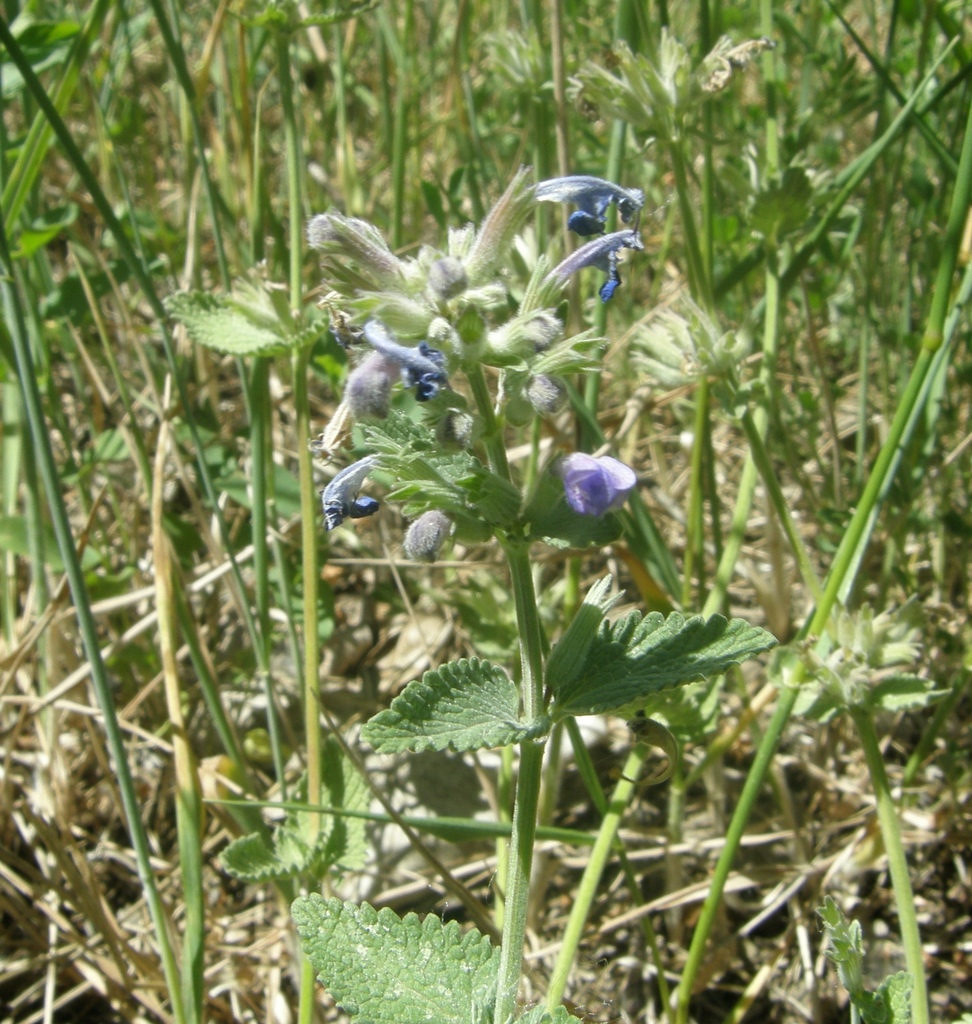
Catmint is a wonderful, hardy perennial that brings a soft, cottage garden feel to any sunny spot. It is famous for its aromatic foliage and spikes of lavender blue flowers that bees just adore. You will find it is a very reliable plant that keeps coming back year after year.

At a glance
- Care level
- Easy
- Plant type
- Perennial herb
- Light
- Full sun
- Indoor light
- Direct sun
- Water
- Every 7 to 14 days
- Mature size
- 1 to 3 feet
- Growth rate
- Fast
- Hardiness
- USDA 3 to 8
- Bloom time
- Late spring to early autumn
Care
Plant in well draining soil and provide plenty of sunshine to keep it from getting leggy. If the plant looks messy after its first bloom, shear it back to encourage a fresh flush of flowers. Watch for powdery mildew if the air circulation is poor.
- Watering
- Water deeply once established, but let the soil dry out between sessions.
- Feeding
- A light application of balanced fertilizer in early spring is usually plenty.
- Pruning
- Cut back by half after the first bloom to promote a second round of flowers.
- Repotting
- Divide the clumps every few years to keep the plant vigorous and healthy.
- Soil
- Well draining, sandy or loamy soil
- Soil pH
- 6.0 to 8.0
- Temperature
- -25 to 35°C
- Humidity
- 30 to 60%
- Drought tolerance
- High
- Lifespan
- Perennial, typically 5 to 10 years.
- Fragrance
- Strong
- Deer and rabbits
- High
Signs it needs repotting
- Roots growing out of the drainage holes.
- Water running straight through the pot without soaking in.
- Stunted growth during the active season.
Safety
- People
- The plant is generally considered non-toxic to humans, though excessive ingestion may cause mild stomach upset.
- Pets
- This plant is generally considered safe for cats and dogs, though some cats may become overly excited by the scent.
- Children
- The plant is safe for children, though the fuzzy texture might be irritating if rubbed against sensitive skin.
- Contact allergens
- Some individuals may experience mild skin irritation from the fuzzy foliage.
- Airborne allergens
- The pollen can trigger mild seasonal allergies in sensitive individuals.
- Edibility
- While catnip is often used in teas, ensure you have the correct species and avoid plants treated with chemicals.
How to identify it
- Aromatic, grey green foliage
- Spikes of tubular lavender flowers
- Square stems typical of mint family
- Toothed, heart shaped leaf margins
- Height
- 0.3 to 0.9m
- Spread
- 0.45 to 0.9m
- Leaves
- gray-green, deciduous
- Flowers
- lavender, blue, white, 1 to 2cm
Problems to watch for
- Powdery mildew — A white fungal growth on leaves caused by poor air circulation.
- Aphids — Small insects that cluster on new growth and suck plant juices.
By symptom
Check your catmint from a photo
Pocket Botanist looks at a photo of your plant and tells you what's wrong and what to try first.
Growing it
- Propagation
- division, cuttings, seed
- When to plant
- spring, autumn
- Overwintering
- Cut the foliage back to the ground in late autumn after the first frost. Mulch lightly if you live in a region with extremely cold, drying winter winds.
- In containers
- It grows well in containers, provided the pot has excellent drainage and is at least 30 cm wide.
Division
- 1. Dig up the clump in early spring.
- 2. Use a sharp spade to divide the root ball into smaller sections.
- 3. Replant the divisions immediately in well-drained soil.
Pair catmint with sun-loving perennials that have similar water needs to create a low-maintenance border.
Grows well with
Similar species
Science
- Family
- Lamiaceae
- Genus
- Nepeta
- Order
- Lamiales
- Class
- Magnoliopsida
- Native range
- Europe, Asia, and northern Africa.
- Conservation
- Not of conservation concern.
It thrives in sunny, well-drained sites and often colonizes disturbed ground.
- Value to wildlife
- nectar source, attracts beneficial insects
- Pollinators
- bees, butterflies
- Uses
- pollinator garden, herb garden, ground cover, container plant
Through the year
Ecological indicators
- Salinity
- 2/9
- Soil reaction
- 6/9
- Light
- 8/9
- Temperature
- 5/9
- Moisture
- 4/9
- Nutrients
- 4/9
Taxonomy resolved against GBIF.
Questions people ask
- Will catnip make my cat crazy?
- Yes, many cats exhibit playful or hyperactive behavior when exposed to the scent.
- How do I keep it from getting floppy?
- Plant it in full sun and avoid over-fertilizing to keep the stems sturdy.
Where the name comes from
The genus name Nepeta is derived from the Etruscan city of Nepete, where the plants were once common.
Good to know
- Nepeta is named after the ancient Italian city of Nepete.
- It belongs to the mint family, which explains its aromatic foliage.
- Cutting back the plant after the first flush of flowers often encourages a second bloom.
Also in
Keep your catmint growing
This page is a general guide. Save your plant in Pocket Botanist and you get care reminders timed for this plant, plus a care history that shows what worked.
This guide was generated with AI and checked against GBIF taxonomy. It is general information, not horticultural or veterinary advice. Read about how we build these guides.