 Pocket Botanist
Plant guide
Salvia.
Salvia
Pronounced SAL-vee-uh
Also known as Sages, claries, rosemary, sage


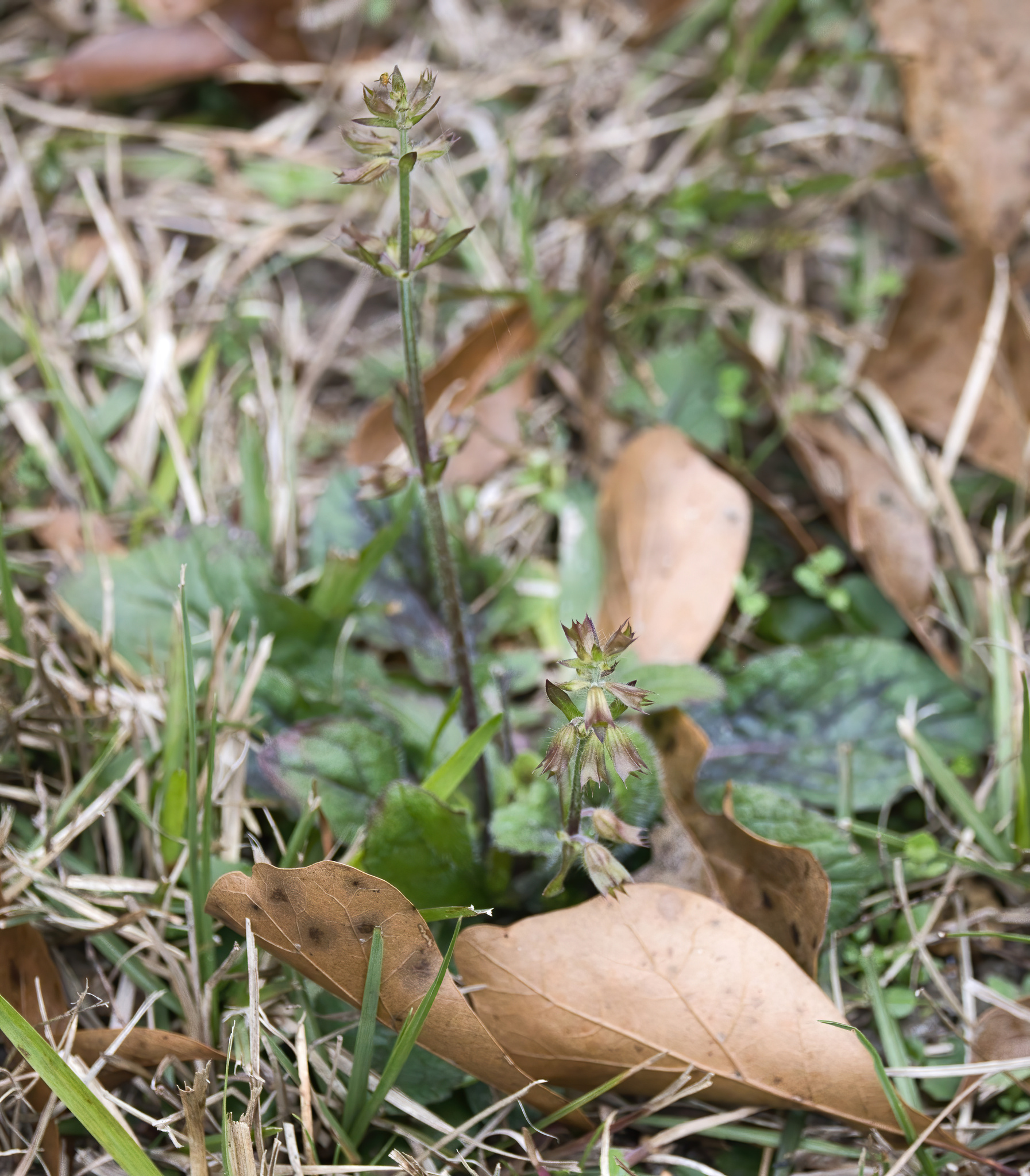
Salvias are a diverse group of plants known for their tubular flowers and aromatic foliage. They are wonderful additions to sunny gardens and attract plenty of pollinators. Most species thrive in well draining soil and appreciate a good amount of sun.
At a glance
- Care level
- Easy
- Plant type
- Herbaceous perennial or subshrub
- Light
- Full sun
- Indoor light
- direct
- Water
- Every 5 to 10 days
- Mature size
- 30 to 150 cm
- Growth rate
- medium
- Hardiness
- USDA 5 to 10
- Bloom time
- Late spring to early autumn
Care
Plant in a spot with excellent drainage to prevent root rot. Deadhead spent flower spikes to encourage a second flush of blooms. Watch for powdery mildew if the air circulation is poor.
- Watering
- Allow the top few centimeters of soil to dry out completely between waterings.
- Feeding
- Apply a balanced liquid fertilizer once every two months during the active growing season.
- Pruning
- Cut back hard in early spring to promote bushy growth and remove old wood.
- Repotting
- Repot when the plant becomes root bound or the soil structure breaks down.
- Soil
- Sandy, loamy, well draining
- Soil pH
- 6.0 to 7.5
- Temperature
- -10 to 35°C
- Humidity
- 30 to 50%
- Drought tolerance
- high
- Lifespan
- Perennial, typically 3 to 5 years.
- Fragrance
- light
- Deer and rabbits
- high
Signs it needs repotting
- Roots growing out of the drainage holes.
- Water running straight through the pot without soaking in.
- The plant stops growing despite good conditions.
Safety
- People
- Most salvias are non-toxic, but some species contain thujone, which can be harmful in large quantities.
- Pets
- Most species are non toxic to cats and dogs, though some varieties may cause mild stomach upset if ingested in large quantities.
- Children
- The plant is generally safe, but the small flowers could pose a minor choking hazard if ingested by very young children.
- Contact allergens
- The foliage of some species can cause mild skin irritation in sensitive individuals due to essential oils.
- Airborne allergens
- The pollen is generally not a significant allergen for most people.
- Edibility
- While some species like Salvia officinalis are culinary staples, many ornamental salvias are not intended for consumption and may cause digestive upset.
How to identify it
- Square stems characteristic of mint family
- Opposite leaves often with textured surfaces
- Tubular flowers arranged in spikes
- Aromatic foliage when crushed
- Two stamens inside each flower
- Height
- 0.3 to 1.5m
- Spread
- 0.3 to 0.9m
- Leaves
- green, gray-green, deciduous
- Flowers
- blue, purple, red, white, pink, 1 to 5cm
Common problems
- Powdery mildew — A white fungal growth appears on leaves when air circulation is poor.
- Aphids — Small insects that cluster on new growth and suck plant juices.
Growing it
- Propagation
- cuttings, seed, division
- When to plant
- spring, autumn
- Overwintering
- In colder regions, cut back the foliage after the first frost and apply a layer of mulch to protect the crown. Keep the soil on the drier side during winter to prevent root rot.
- In containers
- Salvias grow very well in containers, provided the pot has excellent drainage and is at least 12 inches wide.
Stem Cuttings
- Take a 4 inch cutting from non flowering growth.
- Remove the lower leaves.
- Dip the end in rooting hormone.
- Place in a moist, well draining potting mix.
- Keep in bright, indirect light until roots form.
Group salvias with other drought tolerant, sun loving perennials to create a low maintenance garden bed.
Grows well with
- Lavender — They share similar requirements for sun and well draining soil.
- Coneflower — These plants provide a beautiful color contrast and attract similar pollinators.
- Yarrow — Yarrow thrives in the same dry, sunny conditions as many salvias.
Similar species
- Catmint — It has a similar growth habit and spike like flower clusters.
- Russian Sage — It offers a similar airy texture and blue flower display.
Science
- Family
- Lamiaceae
- Genus
- Salvia
- Order
- Lamiales
- Class
- Magnoliopsida
- Native range
- Found across temperate and tropical regions worldwide, with high diversity in the Americas and Mediterranean.
- Conservation
- Most common garden salvias are not of conservation concern, though some rare wild species are protected in their native habitats.
These plants have evolved to attract specific pollinators through their tubular flower shapes and vibrant colors.
- Value to wildlife
- nectar source, pollinator magnet
- Pollinators
- bees, butterflies, moths, hummingbirds
- Uses
- ornamental garden plant, culinary herb, pollinator garden, dried flower arrangements
Through the year
Ecological indicators
- Salinity
- 3/9
- Soil reaction
- 6/9
- Light
- 7/9
- Temperature
- 6/9
- Moisture
- 4/9
- Nutrients
- 4/9
Taxonomy resolved against GBIF.
Questions people ask
- Do salvias need full sun?
- Most species thrive in full sun, though some prefer light afternoon shade in hot climates.
- How often should I prune them?
- Pruning after the first flush of flowers encourages a second bloom and keeps the plant tidy.
Where the name comes from
The name Salvia is derived from the Latin word for to save, referencing the plant's historical use as a medicinal herb. The common name sage comes from the same root.
Good to know
- There are over 900 species of Salvia in the mint family.
- The flowers have a unique lever mechanism that dusts visiting bees with pollen.
- Salvia plants are generally deer and rabbit resistant due to their aromatic foliage.
Is your salvia looking unwell?
This page is a general guide. Pocket Botanist diagnoses problems from a photo of your actual plant, works out watering for your light and conditions, and reminds you when care is due.
This guide was generated with AI and checked against GBIF taxonomy. It is general information, not horticultural or veterinary advice. Read about how we build these guides.