 Pocket Botanist
Plant guide
Marigold.
Tagetes
Pronounced ta-JEE-teez
Also known as Marigolds, Mexican Marigolds, marigold



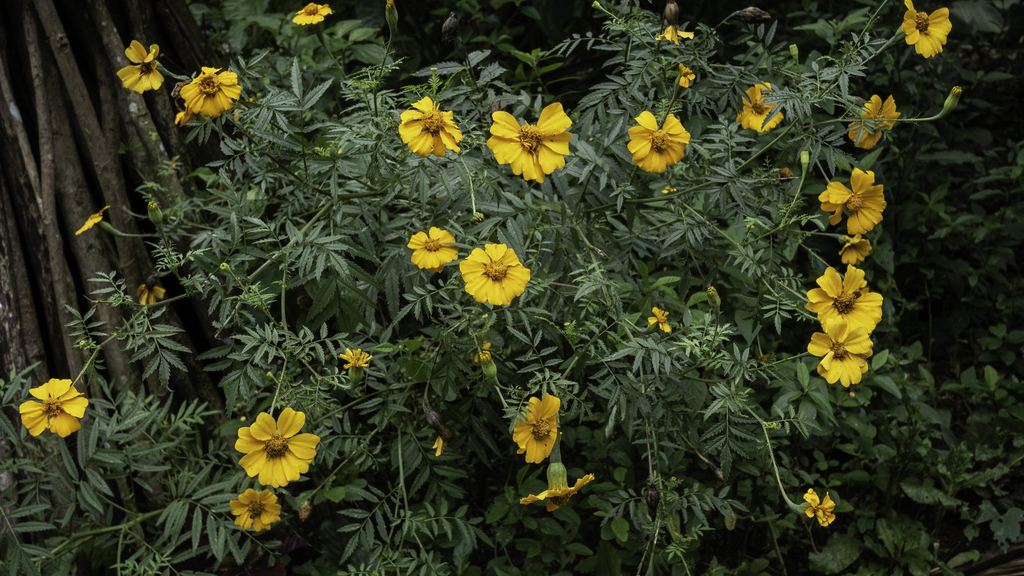
Marigolds are cheerful, sun loving annuals that bring vibrant color to any garden. They are famous for their long blooming season and ability to deter garden pests. You will find them in shades of yellow, orange, and deep red.
At a glance
- Care level
- Easy
- Plant type
- Annual
- Light
- Full sun
- Indoor light
- Direct sun
- Water
- Every 3 to 7 days
- Mature size
- 1 to 3 feet
- Growth rate
- Fast
- Hardiness
- USDA 2 to 11
- Bloom time
- Late spring to first frost
Care
Plant these in a spot that gets plenty of sunshine and keep the soil consistently moist but not soggy. Deadhead spent blooms regularly to encourage the plant to keep producing new flowers all season long. Watch for powdery mildew if the air circulation is poor.
- Watering
- Water when the top inch of soil feels dry to the touch.
- Feeding
- Apply a balanced liquid fertilizer once a month during the growing season.
- Pruning
- Pinch off faded flowers to promote continuous blooming.
- Repotting
- Since these are typically grown as annuals, you usually do not need to repot them.
- Soil
- Well draining, fertile soil
- Soil pH
- 6.0 to 7.5
- Temperature
- 10 to 35°C
- Humidity
- 40 to 70%
- Drought tolerance
- Moderate
- Lifespan
- Annual, typically one growing season
- Fragrance
- Strong
- Deer and rabbits
- High
Signs it needs repotting
- Roots growing out of the drainage holes
- Water running straight through the pot without soaking in
Safety
- People
- The plant is generally non-toxic, but contact with the foliage can cause skin irritation in sensitive individuals.
- Pets
- Marigolds can cause mild skin irritation or digestive upset if ingested by cats or dogs.
- Children
- The plant is not considered dangerous, but the foliage can be irritating if handled excessively by small children.
- Contact allergens
- The sap and foliage can cause dermatitis in people with sensitive skin.
- Airborne allergens
- The pollen is generally not considered a significant airborne allergen.
- Edibility
- While some species are used in culinary contexts, ensure you have correctly identified the specific variety as non-toxic before consumption.
How to identify it
- Pinnately divided, serrated green leaves
- Daisy like or carnation like flower heads
- Strong, pungent scent when leaves are crushed
- Sturdy, upright branching stems
- Height
- 0.15 to 1.2m
- Spread
- 0.15 to 0.6m
- Leaves
- medium green, dark green, deciduous
- Flowers
- yellow, orange, red, mahogany, bicolor, 2 to 10cm
Problems to watch for
- AphidsCommon
- Botrytis BlightCommon
- Spider MitesCommon
- Aster YellowsUncommon
- Powdery MildewUncommon
- Root RotUncommon
Check your marigold from a photo
Pocket Botanist looks at a photo of your plant and tells you what's wrong and what to try first.
Growing it
- Propagation
- seed
- When to plant
- spring, early summer
- Overwintering
- These are annuals and will die with the first hard frost, so no special winter care is needed.
- In containers
- They are excellent for containers and perform best in pots at least 20 centimeters wide.
Seed Sowing
- 1. Sow seeds in a seed tray with moist potting mix.
- 2. Cover lightly with soil.
- 3. Keep in a warm, bright spot until germination.
- 4. Transplant seedlings outdoors after the last frost.
Plant marigolds around the perimeter of your vegetable patch to create a natural barrier against certain garden pests.
Grows well with
Similar species
- French Marigold — A smaller, bushier species often used for borders.
- African Marigold — A taller species with large, showy blooms.
Science
- Family
- Asteraceae
- Genus
- Tagetes
- Order
- Asterales
- Class
- Magnoliopsida
- Native range
- North and South America
- Conservation
- This plant is not of conservation concern and is widely cultivated.
These plants are opportunistic colonizers that thrive in disturbed soils with high light exposure.
- Value to wildlife
- nectar source, attracts beneficial predatory insects
- Pollinators
- bees, butterflies, beetles
- Uses
- ornamental bedding, container gardens, vegetable garden companion, cut flowers
Through the year
Ecological indicators
- Salinity
- 2/9
- Soil reaction
- 6/9
- Light
- 8/9
- Moisture
- 4/9
- Temperature
- 6/9
- Nutrients
- 5/9
Taxonomy resolved against GBIF.
Questions people ask
- Do marigolds need deadheading?
- Yes, removing spent blooms encourages the plant to produce more flowers throughout the season.
- Can I grow marigolds in pots?
- They thrive in containers as long as they have good drainage and plenty of sunlight.
Where the name comes from
The name Tagetes is derived from Tages, an Etruscan deity known for his wisdom. The common name marigold refers to Mary's gold.
Good to know
- Marigolds were once used to dye fabrics.
- They are named after the Virgin Mary.
- The scent is often described as pungent or spicy.
- They are a staple in many traditional festivals.
Also in
Keep your marigold growing
This page is a general guide. Save your plant in Pocket Botanist and you get care reminders timed for this plant, plus a care history that shows what worked.
This guide was generated with AI and checked against GBIF taxonomy. It is general information, not horticultural or veterinary advice. Read about how we build these guides.