 Pocket Botanist
Guía de plantas
Caléndula.
Tagetes
Pronunciación TAH-geh-teez EH-rek-tuh
También se conoce como Marigolds, Mexican Marigolds, marigold



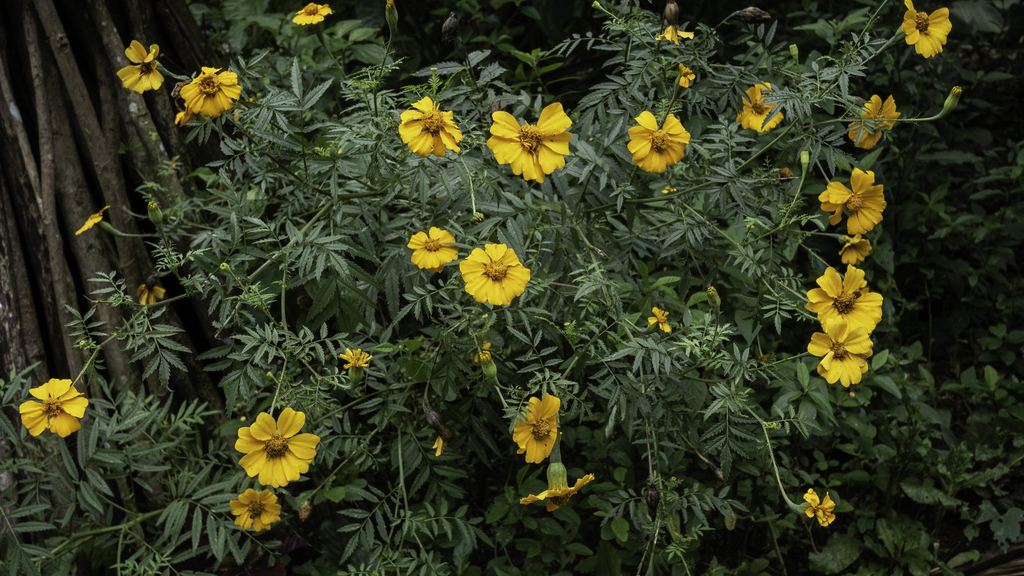
Las caléndulas son anuales alegres y resistentes, conocidas por sus flores brillantes y soleadas y su aroma distintivo. Son increíblemente fáciles de cultivar y ofrecen una larga temporada de color en jardines y macetas.
De un vistazo
- Nivel de cuidados
- Fácil
- Tipo de planta
- Planta floral anual
- Luz
- Pleno sol
- Luz en interior
- Sol directo
- Riego
- Cada 3 a 7 días
- Tamaño adulto
- Hasta 3 pies de alto y 2 pies de ancho
- Ritmo de crecimiento
- Rápido
- Rusticidad
- USDA 2 a 11
- Floración
- Finales de primavera hasta otoño
Cuidados
Planta en tierra que drene bien y proporciona pleno sol para obtener los mejores resultados. Retira las flores marchitas regularmente para fomentar una floración continua. Son relativamente tolerantes a la sequía una vez establecidas, pero rinden mejor con humedad constante.
- Riego
- Riega cuando la pulgada superior de la tierra se sienta seca. Evita el exceso de riego, ya que puede provocar pudrición de raíces.
- Abonado
- Fertiliza cada 3 a 4 semanas con un fertilizante líquido equilibrado, o usa un fertilizante de liberación lenta al momento de plantar.
- Poda
- Pinza las plantas jóvenes para fomentar un crecimiento más frondoso. Quita las flores marchitas regularmente para promover más flores.
- Trasplante
- Anuales, típicamente cultivadas a partir de semillas o trasplantadas como plantas jóvenes; el trasplante generalmente no es necesario.
- Suelo
- Tierra de jardín promedio, bien drenada
- pH del suelo
- Ligeramente ácido a neutro (6.0-7.0)
- Temperatura
- 10 a 35°C
- Humedad
- 40 a 70%
- Tolerancia a la sequía
- Moderada
- Longevidad
- Annual, typically one growing season
- Fragancia
- Intensa
- Resistencia a ciervos y conejos
- Alta
Señales de que necesita trasplante
- Roots growing out of the drainage holes
- Water running straight through the pot without soaking in
Seguridad
- Personas
- The plant is generally non-toxic, but contact with the foliage can cause skin irritation in sensitive individuals.
- Mascotas
- No tóxico para mascotas.
- Niños
- The plant is not considered dangerous, but the foliage can be irritating if handled excessively by small children.
- Alérgenos por contacto
- The sap and foliage can cause dermatitis in people with sensitive skin.
- Alérgenos en el aire
- The pollen is generally not considered a significant airborne allergen.
- Comestibilidad
- While some species are used in culinary contexts, ensure you have correctly identified the specific variety as non-toxic before consumption.
Cómo identificarla
- Flores de colores brillantes, parecidas a margaritas
- Pétalos rizados o volantes
- Follaje finamente dividido y aromático
- Formas de floración variadas (simples, dobles)
- Fragancia distintiva y penetrante
- Altura
- 0,15 a 1,2m
- Anchura
- 0,15 a 0,6m
- Hojas
- verde, verde oscuro, siempreverde
- Flores
- amarillo, naranja, rojo, dorado, 2 a 10cm
Problemas a vigilar
- Araña rojaComún
- BotritisComún
- PulgonesComún
- Amarillez del ásterPoco común
- OídioPoco común
- Podredumbre radicularPoco común
Por síntoma
Revisa tu caléndula con una foto
Pocket Botanist mira una foto de tu planta y te dice qué le pasa y qué probar primero.
Cómo cultivarla
- Propagación
- Semilla
- Cuándo plantar
- Primavera, Verano
- Cuidados en invierno
- These are annuals and will die with the first hard frost, so no special winter care is needed.
- En maceta
- They are excellent for containers and perform best in pots at least 20 centimeters wide.
Seed Sowing
- 1. Sow seeds in a seed tray with moist potting mix.
- 2. Cover lightly with soil.
- 3. Keep in a warm, bright spot until germination.
- 4. Transplant seedlings outdoors after the last frost.
Plant marigolds around the perimeter of your vegetable patch to create a natural barrier against certain garden pests.
Buenas compañeras
Especies parecidas
- Tagetes patula — A smaller, bushier species often used for borders.
- African Marigold — A taller species with large, showy blooms.
Ciencia
- Familia
- Asteraceae
- Género
- Tagetes
- Orden
- Asterales
- Clase
- Magnoliopsida
- Distribución natural
- North and South America
- Conservación
- This plant is not of conservation concern and is widely cultivated.
These plants are opportunistic colonizers that thrive in disturbed soils with high light exposure.
- Valor para la fauna
- fuente de néctar
- Polinizadores
- abejas, mariposas, escarabajos
- Usos
- ornamental bedding, container gardens, vegetable garden companion, cut flowers
A lo largo del año
Indicadores ecológicos
- Salinidad
- 2/9
- Reacción del suelo
- 6/9
- Luz
- 8/9
- Humedad
- 4/9
- Temperatura
- 6/9
- Nutrientes
- 5/9
Taxonomía cotejada con GBIF.
Lo que más preguntan
- Do marigolds need deadheading?
- Yes, removing spent blooms encourages the plant to produce more flowers throughout the season.
- Can I grow marigolds in pots?
- They thrive in containers as long as they have good drainage and plenty of sunlight.
De dónde viene el nombre
The name Tagetes is derived from Tages, an Etruscan deity known for his wisdom. The common name marigold refers to Mary's gold.
Bueno saberlo
- Marigolds were once used to dye fabrics.
- They are named after the Virgin Mary.
- The scent is often described as pungent or spicy.
- They are a staple in many traditional festivals.
También en
Que tu caléndula siga creciendo
Esta página es una guía general. Guarda tu planta en Pocket Botanist y tendrás recordatorios de cuidado pensados para esta planta, además de un historial de cuidados que muestra qué ha funcionado.
Esta guía se ha generado con IA y se ha cotejado con la taxonomía de GBIF. Es información general, no asesoramiento botánico ni veterinario. Descubre cómo elaboramos estas guías.