 Pocket Botanist
Plant guide
Florist's cyclamen.
Cyclamen persicum
Pronounced SY-kla-men PER-si-kum
Also known as Common Cyclamen, Cyclamen, Florist's Cyclamen, Persian Cyclamen, Sowbread



Scan with your phone's camera to get the app
Or go to pocketbotanist.app/get on your phone
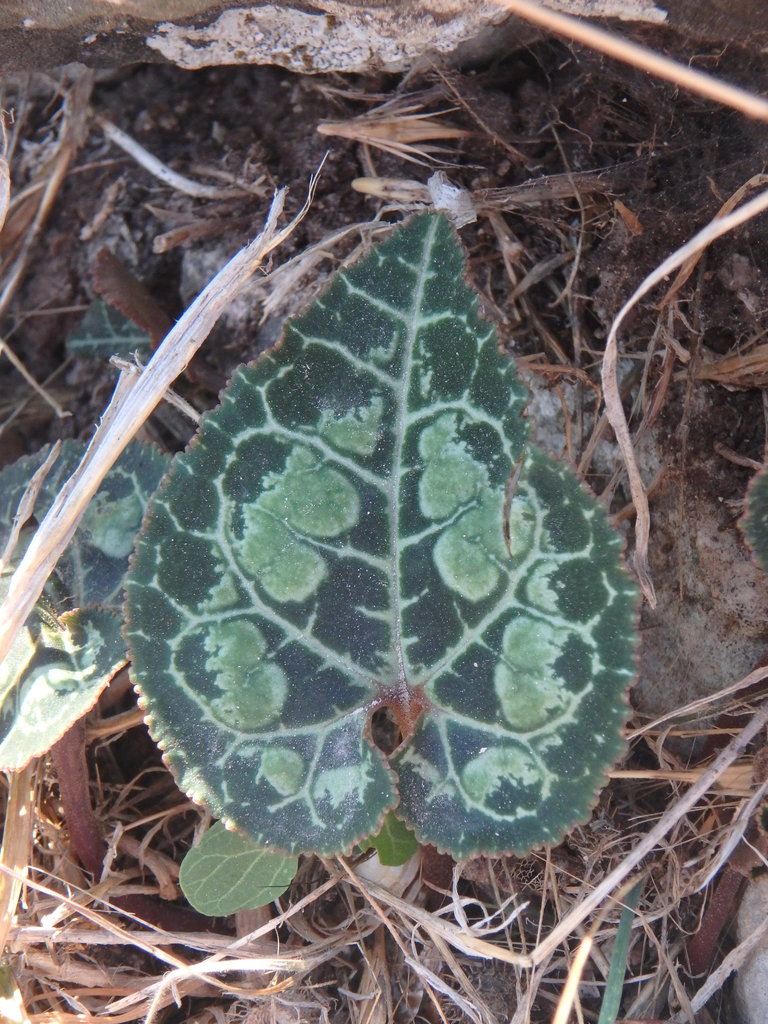
Cyclamen persicum is a charming tuberous perennial that brings a splash of color to cooler indoor spaces. It produces delicate, swept back petals that look like little butterflies resting on the foliage. These plants love a cool environment and will reward you with blooms throughout the winter months.
At a glance
- Care level
- Moderate
- Plant type
- Tuberous perennial
- Light
- Bright indirect light
- Indoor light
- Bright indirect
- Water
- Every 5 to 10 days
- Mature size
- 1 foot
- Growth rate
- Medium
- Hardiness
- USDA 9 to 11
- Bloom time
- Late autumn to early spring
Care
Keep your plant in a cool spot away from heat sources to prolong its flowering period. Water from the bottom to avoid getting the crown wet, which can lead to rot. If you notice yellowing leaves, it is often a sign that the plant is too warm or getting too much water.
- Watering
- Always water from the base to keep the tuber dry.
- Feeding
- Use a balanced liquid fertilizer while the plant is actively blooming.
- Pruning
- Remove spent flowers and yellowing leaves by pulling the stem cleanly from the base.
- Repotting
- Repot only when the tuber has outgrown its current container, ensuring the top of the tuber stays above the soil line.
- Soil
- Well draining peat based mix
- Soil pH
- 6.0 to 7.0
- Temperature
- 10 to 20°C
- Humidity
- 40 to 60%
- Drought tolerance
- Low
- Lifespan
- Perennial, typically 3 to 5 years
- Fragrance
- Light
- Deer and rabbits
- High
Signs it needs repotting
- Roots growing out of the drainage holes.
- Water running straight through the pot without soaking in.
- Stunted growth despite proper care.
Safety
- People
- The plant contains cyclamin, a saponin that is poisonous to humans and pets if ingested.
- Pets
- This plant is toxic to cats and dogs if ingested, potentially causing vomiting or heart rhythm issues.
- Children
- Keep this plant out of reach of children as ingestion of the tubers or leaves can lead to vomiting and diarrhea.
- Contact allergens
- The sap can cause skin irritation or dermatitis in sensitive individuals.
- Airborne allergens
- There is no significant evidence of respiratory allergies associated with this plant.
- Edibility
- All parts of this plant are toxic if consumed and can cause severe gastrointestinal distress.
How to identify it
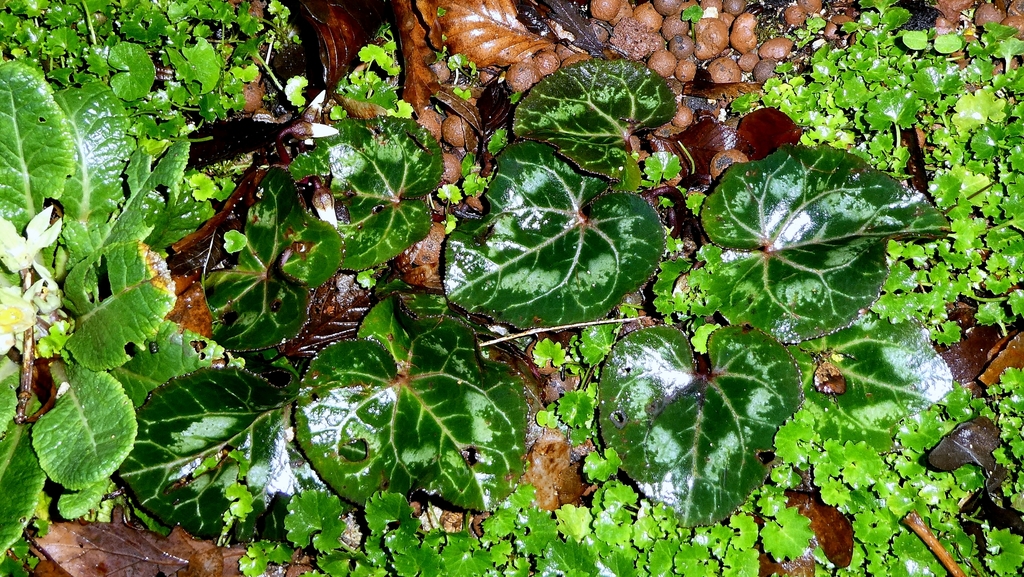
- Heart shaped leaves with silver marbling
- Reflexed petals resembling butterfly wings
- Flowers held on long slender stalks
- Grows from a rounded underground tuber
- Height
- 0.15 to 0.3m
- Spread
- 0.15 to 0.3m
- Leaves
- dark green, silver, deciduous
- Flowers
- pink, white, red, purple, 2 to 5cm
Problems to watch for
- Botrytis BlightCommon
- Cyclamen MiteCommon
- Gray MoldCommon
- AphidsUncommon
- Root RotUncommon
- Tuber RotUncommon
Check your florist's cyclamen from a photo
Pocket Botanist looks at a photo of your plant and tells you what's wrong and what to try first.
Scan with your phone's camera to get the app
Or go to pocketbotanist.app/get on your phone
Growing it
- Propagation
- seed
- When to plant
- autumn
- Overwintering
- Keep the plant in a cool, bright spot indoors away from direct heat sources. Reduce watering as the plant enters dormancy.
- In containers
- It thrives in containers, provided the pot has excellent drainage and is not too large for the root system.
Seed
- 1. Sow seeds in a well draining mix.
- 2. Cover lightly with soil.
- 3. Keep in a dark, cool place until germination.
- 4. Move to bright, indirect light.
Group these plants in cool, shaded areas with well draining soil to keep them happy.
Grows well with
- English Ivy · They share similar requirements for shade and cool temperatures.
- Ferns · Ferns provide a lush, green backdrop that highlights the delicate cyclamen flowers.
Similar species
- Hardy Cyclamen · It is a more cold tolerant relative that can survive outdoors in many climates.
Science
- Family
- Primulaceae
- Genus
- Cyclamen
- Order
- Ericales
- Class
- Magnoliopsida
- Native range
- Eastern Mediterranean region
- Conservation
- It is not currently listed as endangered, but wild populations are protected in some regions from overcollection.
It grows in rocky, shaded crevices where it can escape the intense summer sun.
- Value to wildlife
- early season nectar source
- Pollinators
- bees
- Uses
- indoor houseplant, winter bedding, container gardening
Through the year
Ecological indicators
- Salinity
- 2/9
- Soil reaction
- 6/9
- Light
- 5/9
- Temperature
- 5/9
- Moisture
- 4/9
- Nutrients
- 4/9
Taxonomy resolved against GBIF.
Questions people ask
- Why are my leaves turning yellow?
- This is often a sign that the plant is entering its natural summer dormancy period.
- How do I water it?
- Water from the bottom by placing the pot in a tray to avoid getting the crown wet, which can cause rot.
Where the name comes from
The name comes from the Greek word kyklos, meaning circle, referring to the coiled flower stalks. The species name persicum refers to its historical association with Persia.
Good to know
- The flowers are often reflexed, meaning the petals bend backward.
- It is a popular gift plant during the winter holidays.
- The plant goes dormant in the summer heat.
Also in
Keep your florist's cyclamen growing
This page is a general guide. Save your plant in Pocket Botanist and you get care reminders timed for this plant, plus a care history that shows what worked.
Scan with your phone's camera to get the app
Or go to pocketbotanist.app/get on your phone
This guide was generated with AI on and checked against GBIF taxonomy. It is general information, not horticultural or veterinary advice. Read about how we build these guides.