 Pocket Botanist
Plant guide
English Ivy.
Hedera helix
Pronounced HED-er-uh HEE-liks
Also known as Common Ivy, English Ivy, English Ivy, Common Ivy, European Ivy, Ivy, Needlepoint Ivy, Ripple Ivy, Ivy


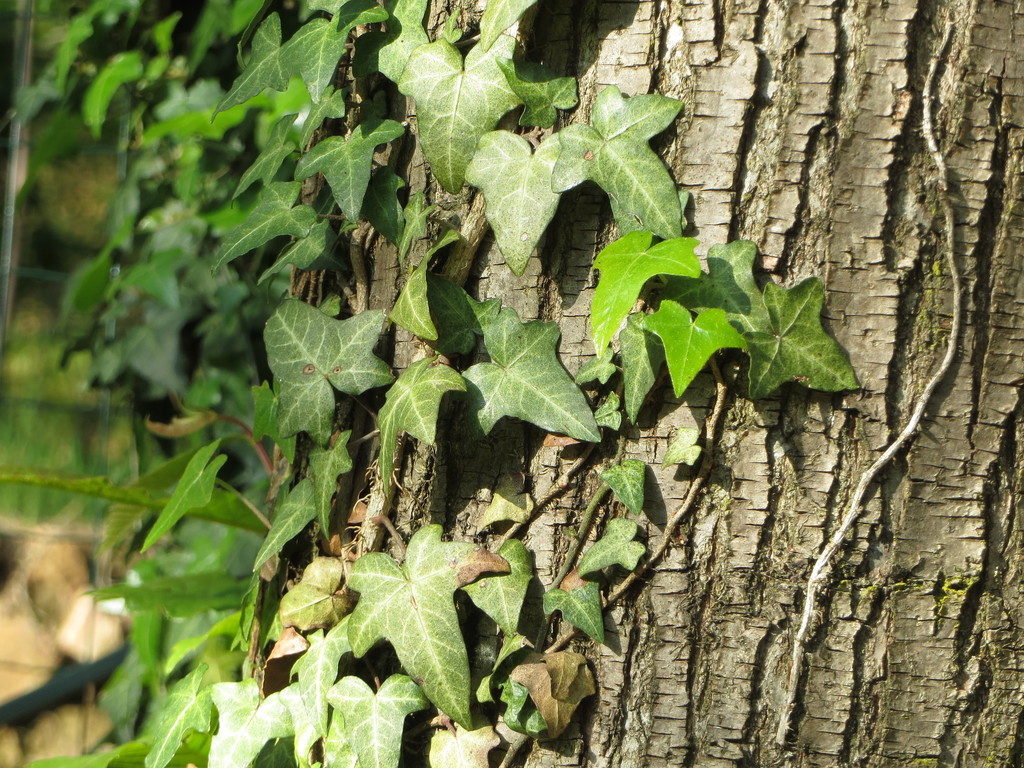
English Ivy is a classic, trailing evergreen vine that looks lovely spilling from hanging baskets or climbing up a trellis. It is a hardy plant that has been a favorite in homes for generations. You will love how quickly it adds a lush, green touch to any room.
At a glance
- Care level
- Easy
- Plant type
- Evergreen vine
- Light
- Partial shade to bright indirect light.
- Indoor light
- Bright indirect
- Water
- Every 5 to 10 days
- Mature size
- Up to 50 feet outdoors, 3 to 6 feet indoors.
- Growth rate
- Fast
- Hardiness
- USDA 4 to 9
- Bloom time
- Late summer to mid autumn
Care
Keep the soil consistently moist but never soggy to prevent root issues. Watch for spider mites, which love the dry air often found in homes. If the leaves start looking crispy or brown at the edges, it is likely time to increase the humidity.
- Watering
- Water when the top inch of soil feels dry to the touch.
- Feeding
- Feed with a balanced liquid fertilizer during the active growing season.
- Pruning
- Trim back long stems to encourage a bushier, fuller appearance.
- Repotting
- Move to a slightly larger pot once the roots become crowded.
- Soil
- Well draining, fertile potting mix.
- Soil pH
- 6.0 to 7.5
- Temperature
- -20 to 35°C
- Humidity
- 40 to 70%
Safety
- People
- All parts of the plant contain falcarinol, which can cause severe skin irritation or allergic reactions.
- Pets
- This plant is toxic to cats and dogs if ingested, causing vomiting and drooling.
- Children
- Keep away from children as the berries are poisonous if swallowed.
- Contact allergens
- Contact with the sap often causes contact dermatitis in sensitive individuals.
- Airborne allergens
- The pollen is not considered a major respiratory allergen.
- Edibility
- The berries are toxic to humans and pets if ingested.
How to identify it
- Dark green, lobed leaves
- Trailing or climbing vine habit
- Waxy leaf texture
- Small, inconspicuous greenish flowers
- Height
- 0.1 to 30m
- Spread
- 0.5 to 5m
- Leaves
- dark green, variegated, evergreen
- Flowers
- yellowish green, 0.5 to 1cm
- Fruit
- black, Late winter
Common problems
- Spider mites — Tiny pests that cause stippling on leaves in dry conditions.
- Bacterial leaf spot — Dark spots on foliage caused by excessive moisture.
Growing it
- Propagation
- cuttings, layering
- When to plant
- spring, autumn
Plant in areas where you can easily control its spread to prevent it from escaping into natural landscapes.
Grows well with
- Hosta — They share similar shade requirements and provide contrasting textures.
- Ferns — They thrive in the same woodland conditions as ivy.
Similar species
- Boston Ivy — It is a deciduous climber often confused with English ivy.
Science
- Family
- Araliaceae
- Genus
- Hedera
- Order
- Apiales
- Class
- Magnoliopsida
- Native range
- Europe, Western Asia, and Northern Africa.
- Conservation
- It is considered an invasive species in many parts of North America and should be managed carefully.
It thrives in forest understories, using its climbing habit to reach light in dense canopy environments.
- Value to wildlife
- late season nectar source, winter shelter for birds, nesting habitat
- Pollinators
- bees, butterflies, beetles
- Uses
- ground cover, climbing vine, topiary, container plant
Through the year
Ecological indicators
- Salinity
- 2/9
- Soil reaction
- 6/9
- Light
- 3/9
- Temperature
- 5/9
- Moisture
- 5/9
- Nutrients
- 5/9
Taxonomy resolved against GBIF.
Questions people ask
- Does it harm trees?
- Yes, it can outcompete trees for light and nutrients, eventually weighing them down.
- Can I grow it indoors?
- Yes, it makes a popular houseplant if given bright, indirect light.
Where the name comes from
The name Hedera is the ancient Latin term for ivy, while helix comes from the Greek word for twist, referring to the stems.
Good to know
- It can climb up to 30 meters high.
- Ivy was once a symbol of fidelity in ancient cultures.
- The plant has two distinct growth phases, juvenile and adult.
Also in
Is your english ivy looking unwell?
This page is a general guide. Pocket Botanist diagnoses problems from a photo of your actual plant, works out watering for your light and conditions, and reminds you when care is due.
This guide was generated with AI and checked against GBIF taxonomy. It is general information, not horticultural or veterinary advice. Read about how we build these guides.