 Pocket Botanist
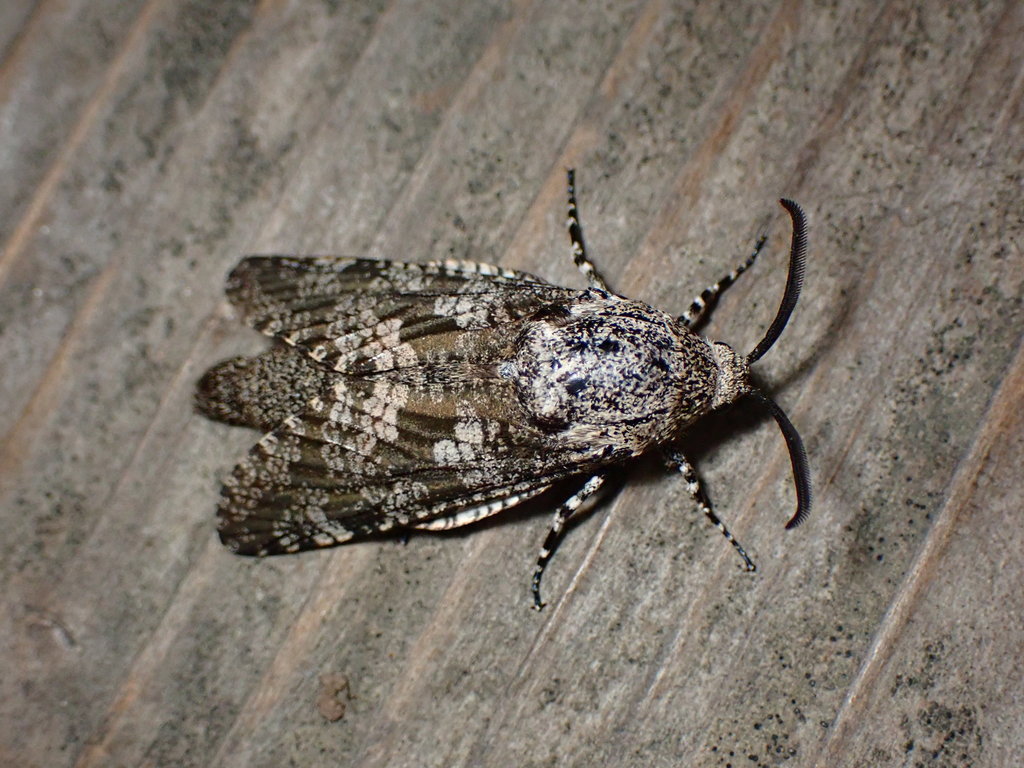
Symptoms by part
Stems
Look for small, round exit holes in the bark, piles of sawdust like frass near the base of the plant, and localized wilting or yellowing of foliage on specific branches.
Causes
- Wounds or cracks in the bark that allow the adult moth to lay eggs.
- Stressed or weakened plants that are less able to defend against larval boring.
- Presence of adult moths in the garden during the warm growing season.
Could be confused with
- Mechanical damage · Mechanical damage from lawn equipment or heavy winds creates jagged, irregular wounds rather than the clean, round holes left by borers.
- Stem canker · Cankers appear as sunken, discolored areas of bark rather than holes with sawdust, and they often ooze sap.
Find out what's really wrong with your plant
Problems that look alike are easy to mix up. Pocket Botanist looks at a photo of your actual plant and tells you what's going on, how serious it is, and what to try first. Identification and a health check are free.



Scan with your phone's camera to get the app
Or go to pocketbotanist.app/get on your phone
Treatment
- Prune away and destroy any branches showing signs of borer activity to remove the larvae from the plant.
- Use a thin, flexible wire to probe the entry holes and physically crush the larvae inside the stems.
- Trim any large pruning wounds or natural cracks back to a clean cut so they heal quickly and offer fewer sites for egg laying.
Without chemicals
- Keep the plant healthy and vigorous through proper watering and feeding to help it resist infestations.
- Remove and burn or dispose of infested wood immediately to prevent the larvae from completing their life cycle.
- Avoid wounding the main stems with garden tools or lawn mowers.
Preventing it
- Keep the area around the base of the wisteria clear of debris to reduce hiding spots for adult moths.
- Inspect the stems regularly for early signs of entry holes.
- Maintain plant vigor to ensure the wisteria can heal minor wounds quickly.
Season
The warm growing season.
Spread risk
Low
Severity
High
When to act
Act as soon as you notice sawdust or exit holes to save the affected branches. If the main trunk is heavily infested and the plant is failing to leaf out, it is best to remove and replace the plant.
Keep your plants healthy from here
Save your plants in Pocket Botanist and you get care reminders timed for each one, plus a care history that shows what worked. Identification and a health check are free.
Questions people ask
- Can I save a wisteria that has borers in the main trunk?
- If the infestation is limited to a few branches, you can prune them out. If the main trunk is hollowed out, the plant is likely too far gone to recover.
- Do these borers move to other plants?
- While they prefer wisteria, they can occasionally target other woody vines or shrubs in the same family if they are nearby and stressed.
Answers plant by plant
This guide was generated with AI on and is general information, not horticultural advice. Read about how we build these guides.