 Pocket Botanist
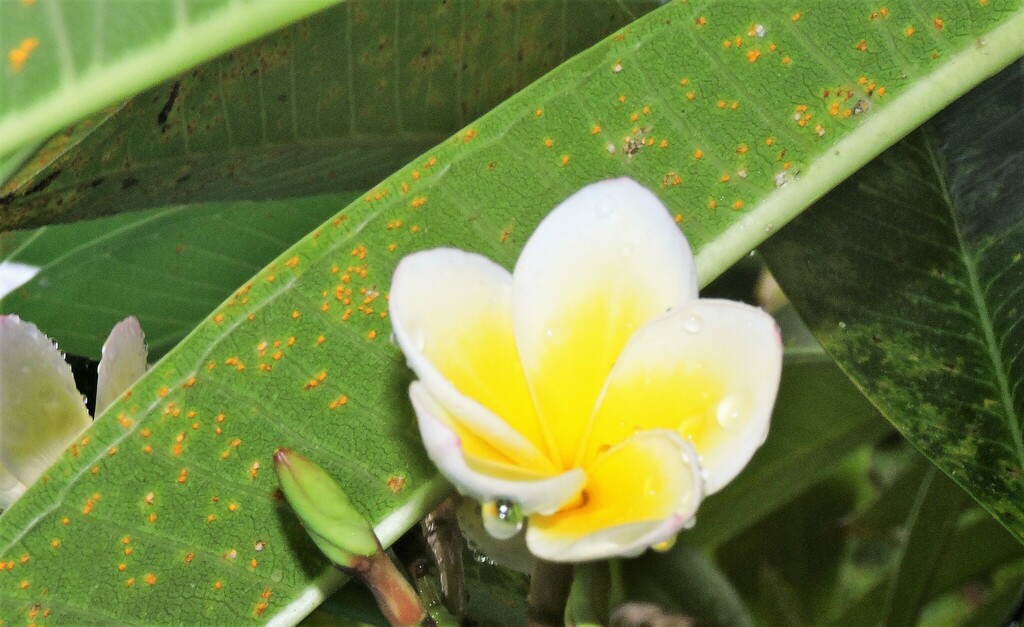
Symptoms by part
Leaves
Small yellow or orange powdery pustules appear on the undersides of the leaves, while the upper surfaces develop corresponding yellow or brown spots.
Causes
- High humidity levels
- Poor air circulation around the foliage
- Extended periods of leaf wetness
- Warm temperatures that favor fungal spore development
Could be confused with
- Spider mite damage · Spider mites cause fine stippling or webbing on the leaves rather than distinct, powdery orange pustules.
- Leaf spot diseases · Other fungal leaf spots typically appear as dark, necrotic lesions without the characteristic bright orange, powdery spores found in rust.
Find out what's really wrong with your plant
Problems that look alike are easy to mix up. Pocket Botanist looks at a photo of your actual plant and tells you what's going on, how serious it is, and what to try first. Identification and a health check are free.



Scan with your phone's camera to get the app
Or go to pocketbotanist.app/get on your phone
Treatment
- Prune off and dispose of all heavily infected leaves to reduce the amount of fungal spores in the area.
- Improve airflow around the plant by thinning out crowded branches or moving the plant to a more open location.
- Apply potassium bicarbonate to the foliage to alter the pH on the leaf surface, follow the label.
Without chemicals
- Remove and destroy fallen leaves from the soil surface to prevent reinfection.
- Water the base of the plant only to keep the foliage dry.
- Use a rain cover or move container plants under a roof during prolonged wet weather.
Chemical options
- Sulfur, apply as a dust or spray to the foliage to inhibit fungal growth, follow the label.
- Potassium bicarbonate, spray on the leaves to disrupt the fungal environment, follow the label.
Preventing it
- Space plants far enough apart to ensure good air movement.
- Water early in the day so any moisture on the leaves evaporates quickly.
- Keep the area beneath the plant clear of debris and fallen leaves.
- Avoid overhead watering that wets the leaves.
Season
The warm growing season, especially during times of high humidity or frequent rain.
Spread risk
High
Severity
Moderate
When to act
Act as soon as you spot the first orange pustules on the undersides of the leaves. If the plant loses most of its foliage, it will usually recover in the next growing season, so there is rarely a need to remove the plant entirely.
Keep your plants healthy from here
Save your plants in Pocket Botanist and you get care reminders timed for each one, plus a care history that shows what worked. Identification and a health check are free.
Questions people ask
- Will Plumeria Rust kill my plant?
- It is rarely fatal, but it can significantly weaken the plant and cause it to drop its leaves early, which affects its overall vigor.
- Can I compost the infected leaves?
- No, it is best to bag and dispose of infected leaves in the trash to prevent the fungal spores from spreading back to your plants.
- Does this disease affect the flowers?
- Plumeria Rust is almost exclusively a leaf disease, so your flowers should remain unaffected.
Plants it affects
Answers plant by plant
This guide was generated with AI on and is general information, not horticultural advice. Read about how we build these guides.