 Pocket Botanist
Symptoms by part
Leaves
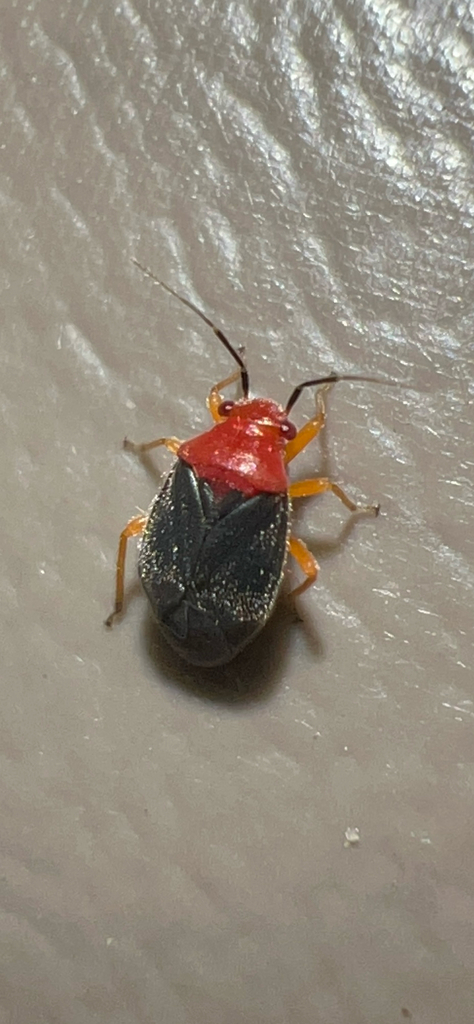
You will notice small, pale yellow or white stippling spots on the surface where the bugs have fed. Over time, these spots merge into large, bleached, or necrotic patches that turn brown and papery, often accompanied by small black dots of insect excrement.
Causes
- The presence of eggs that overwinter inserted in yucca leaf tissue.
- Warm, dry conditions that favor rapid reproduction and multiple generations throughout the season.
- Close proximity to infested yucca plants, allowing the winged adults to easily fly to new hosts.
Could be confused with
- Spider mites · Spider mites create very fine, delicate webbing between leaves, whereas yucca plant bugs do not produce any silk.
- Thrips · Thrips damage often appears as silvery streaks rather than the distinct, rounded stippling spots caused by yucca plant bugs.
Find out what's really wrong with your plant
Problems that look alike are easy to mix up. Pocket Botanist looks at a photo of your actual plant and tells you what's going on, how serious it is, and what to try first. Identification and a health check are free.



Scan with your phone's camera to get the app
Or go to pocketbotanist.app/get on your phone
Treatment
- 1. Use a strong stream of water from a garden hose to physically dislodge the bugs from the leaves during the early morning.
- 2. Prune away and dispose of heavily damaged or yellowed leaves to reduce the population of eggs and nymphs.
- 3. Apply fatty acids directly to the bugs on the leaf surfaces to disrupt their cell membranes, follow the label.
Without chemicals
- Cut out and destroy heavily damaged leaves in late autumn or early spring to remove the eggs overwintering in the leaf tissue.
- Encourage natural predators like lady beetles and lacewings in your garden to help keep populations in check.
Chemical options
- Fatty acids, spray directly on the insects when they are visible, follow the label.
- Pyrethrins, apply as a contact spray to the foliage during the warm growing season, follow the label.
Preventing it
- Keep the area around your yucca plants clean by removing dead foliage and debris.
- Inspect new plants thoroughly for signs of stippling before introducing them to your garden.
- Maintain plant vigor with appropriate light and drainage to help the plant withstand minor feeding damage.
Season
The warm growing season.
Spread risk
Moderate
Severity
Moderate
When to act
Act as soon as you notice the first signs of stippling on the leaves to prevent the population from exploding. If the plant is entirely brown and brittle, it is likely beyond recovery and should be removed.
Keep your plants healthy from here
Save your plants in Pocket Botanist and you get care reminders timed for each one, plus a care history that shows what worked. Identification and a health check are free.
Questions people ask
- Will my yucca plant die from these bugs?
- Usually, the damage is cosmetic, but a heavy infestation can weaken the plant significantly over several seasons, making it more susceptible to other stresses.
- Do I need to treat the soil?
- No, these bugs spend their time on the foliage, so soil treatments are unnecessary and ineffective.
- Can I just cut the whole plant back?
- Yes, yucca plants are resilient and will often regrow from the base if you cut them back after a severe infestation, provided the roots are healthy.
Plants it affects
Answers plant by plant
This guide was generated with AI on and is general information, not horticultural advice. Read about how we build these guides.