 Pocket Botanist
Plant guide
Yucca.
Yucca
Pronounced YUK-uh
Also known as Adam's Needles, Beargrasses, Needle Palms, Spanish Bayonets, Spanish Daggers, Spanish-bayonet, Yucca, Yuccas


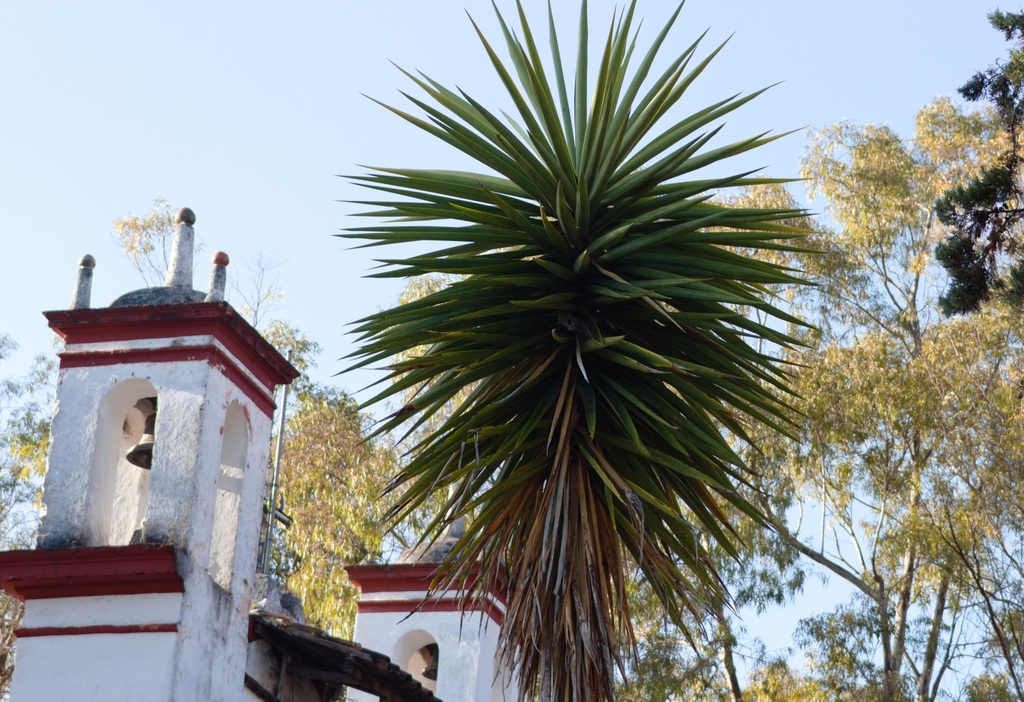
Yucca plants are striking, architectural succulents that bring a desert feel to any space. They are incredibly tough and handle neglect well, making them perfect for busy plant parents. These plants thrive in bright light and prefer their soil to dry out completely between waterings.

At a glance
- Care level
- Easy
- Plant type
- Succulent shrub
- Light
- Full sun
- Indoor light
- Direct sun
- Water
- Every 14 to 30 days
- Mature size
- 1 to 3 meters
- Growth rate
- Slow
- Hardiness
- USDA 4 to 10
- Bloom time
- Late spring to mid summer
Care
Place your yucca in the brightest spot you have, as they love direct sun. Allow the soil to dry out entirely before watering again to avoid root rot. Watch for yellowing leaves, which often signal that the plant is getting too much water.
- Watering
- Water deeply but infrequently, ensuring the soil is bone dry before the next soak.
- Feeding
- Apply a balanced liquid fertilizer diluted to half strength during the active growing season.
- Pruning
- Remove dead or damaged lower leaves in spring to maintain a clean appearance.
- Repotting
- Repot only when the plant becomes top heavy or clearly root bound.
- Soil
- Well draining, sandy, or cactus mix
- Soil pH
- 6.0 to 7.5
- Temperature
- -20 to 40°C
- Humidity
- 10 to 50%
- Drought tolerance
- High
- Lifespan
- Perennial, often living for many decades.
- Fragrance
- Strong
- Deer and rabbits
- High
Signs it needs repotting
- Roots growing out of the drainage holes.
- Plant becomes top heavy and tips over.
- Water runs straight through without soaking in.
Safety
- People
- The plant contains calcium oxalate crystals that can irritate the skin and mouth.
- Pets
- Yucca is toxic to cats and dogs if ingested, as it contains saponins that can cause irritation.
- Children
- Keep children away from the sharp, sword-like leaf tips which can easily pierce skin.
- Contact allergens
- The sharp, pointed leaf tips can cause puncture wounds and the sap may cause skin irritation.
- Airborne allergens
- The pollen can cause mild allergic reactions in sensitive individuals during the bloom season.
- Edibility
- The roots and leaves contain saponins that can cause severe stomach upset if ingested.
How to identify it
- Sword shaped, rigid leaves
- Sharp, pointed leaf tips
- Rosette growth pattern
- Tall, central flower spikes
- Fibrous leaf margins
- Height
- 0.6 to 2.5m
- Spread
- 0.6 to 1.5m
- Leaves
- blue-green, grey-green, evergreen
- Flowers
- white, cream, 3 to 8cm
- Fruit
- black, brown, Autumn
Problems to watch for
- Root RotCommon
- Yucca Plant BugCommon
- Brown Leaf EdgesUncommon
- Leaf SpotUncommon
By symptom
Check your yucca from a photo
Pocket Botanist looks at a photo of your plant and tells you what's wrong and what to try first.
Growing it
- Propagation
- division, seed, cuttings
- When to plant
- Spring, Autumn
- Overwintering
- Ensure the soil is very dry before winter sets in. If in a pot, move to a sheltered, frost free area if you live in a very cold climate.
- In containers
- They grow well in large, heavy pots with excellent drainage, at least 40 cm wide.
Division
- 1. Dig up the parent plant in spring.
- 2. Separate the offsets or pups from the base.
- 3. Allow the cut ends to callous for two days.
- 4. Plant in well draining soil.
Pair with other drought tolerant plants that do not require frequent irrigation to avoid root rot.
Grows well with
Similar species
- Agave — Similar architectural form but usually less cold hardy.
- Aloe — Shares a succulent habit but requires different care.
Science
- Family
- Asparagaceae
- Genus
- Yucca
- Order
- Asparagales
- Class
- Liliopsida
- Native range
- North and Central America
- Conservation
- Most common garden varieties are not threatened, but some rare wild species are protected.
Yucca plants thrive in arid, sunny environments by storing water in their thick, fleshy leaves.
- Value to wildlife
- specialized yucca moth pollination, winter shelter for insects
- Pollinators
- moths
- Uses
- xeriscaping, architectural accent, pollinator garden
Through the year
Ecological indicators
- Salinity
- 4/9
- Soil reaction
- 6/9
- Light
- 8/9
- Temperature
- 7/9
- Moisture
- 2/9
- Nutrients
- 2/9
Taxonomy resolved against GBIF.
Questions people ask
- Do I need to water my yucca often?
- No, they prefer to dry out completely between waterings.
- Why are the leaf tips turning brown?
- This is often due to overwatering or poor soil drainage.
Where the name comes from
The name comes from the Caribbean word yuca, which was mistakenly applied to this genus by early explorers.
Good to know
- Yucca leaves were historically used by indigenous peoples to make rope and baskets.
- The flowers are edible when cooked properly.
- Some species are known as soapweed because the roots produce a lather.
- They are incredibly resilient to heat and drought.
Also in
Keep your yucca growing
This page is a general guide. Save your plant in Pocket Botanist and you get care reminders timed for this plant, plus a care history that shows what worked.
This guide was generated with AI and checked against GBIF taxonomy. It is general information, not horticultural or veterinary advice. Read about how we build these guides.