 Pocket Botanist
Guía de plantas
Yuca.
Yucca
Pronunciación YUK-uh
También se conoce como Agujas de Adán, Hierba del oso, Palmas de aguja, Bayonetas españolas, Dagas españolas, Espada de España, Yuca, Yucas


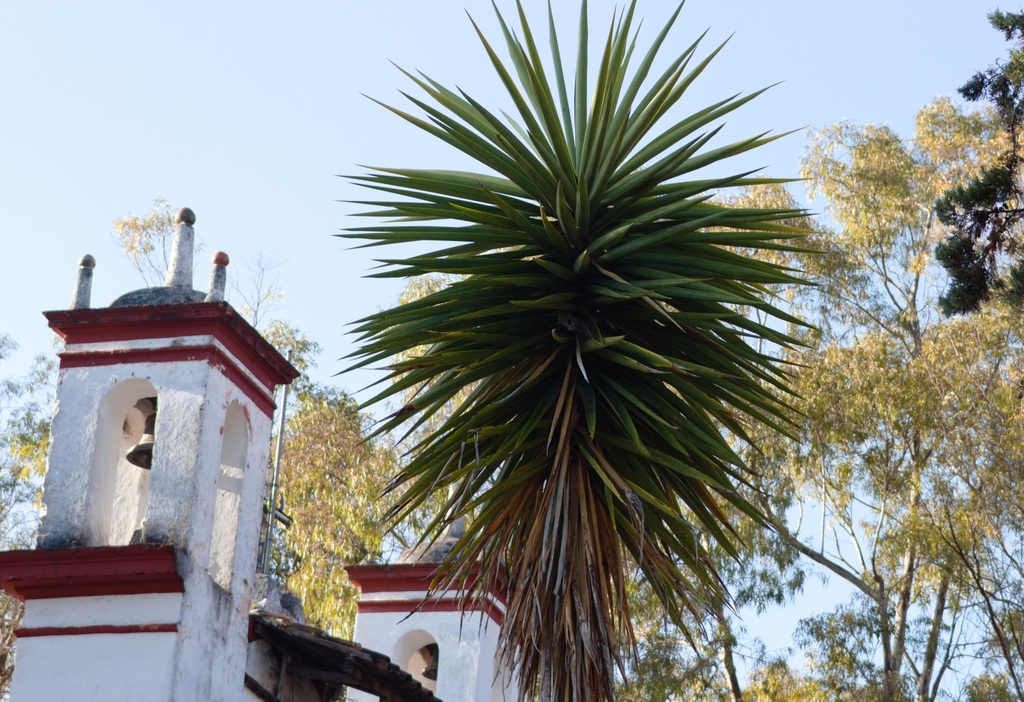
Las yucas son suculentas llamativas y arquitectónicas que aportan un toque desértico a cualquier espacio. Son increíblemente resistentes y aguantan bien el abandono, lo que las hace perfectas para padres de plantas ocupados. Estas plantas prosperan a plena luz y prefieren que la tierra se seque por completo entre riegos.

De un vistazo
- Nivel de cuidados
- Fácil
- Tipo de planta
- Arbusto suculento
- Luz
- Pleno sol
- Luz en interior
- Sol directo
- Riego
- Cada 14 a 30 días
- Tamaño adulto
- 1 a 3 metros
- Ritmo de crecimiento
- Lento
- Rusticidad
- USDA 4 a 10
- Floración
- Finales de primavera a verano
Cuidados
Coloca tu yuca en el lugar más luminoso que tengas, ya que les encanta el sol directo. Deja que la tierra se seque por completo antes de volver a regar para evitar la pudrición de las raíces. Estate atento a las hojas amarillentas, que a menudo indican que la planta está recibiendo demasiada agua.
- Riego
- Riega a fondo pero con poca frecuencia, asegurándote de que la tierra esté completamente seca antes del próximo remojo.
- Abonado
- Aplica un fertilizante líquido equilibrado diluido a la mitad de su fuerza durante la temporada de crecimiento activo.
- Poda
- Retira las hojas inferiores muertas o dañadas en primavera para mantener una apariencia limpia.
- Trasplante
- Trasplanta solo cuando la planta se vuelva pesada en la parte superior o esté claramente con las raíces apretadas.
- Suelo
- Mezcla bien drenada, arenosa o para cactus
- pH del suelo
- 6.0 a 7.5
- Temperatura
- -20 a 40°C
- Humedad
- 10 a 50%
- Tolerancia a la sequía
- Alta
- Longevidad
- Perenne, a menudo vive durante muchas décadas.
- Fragancia
- Intensa
- Resistencia a ciervos y conejos
- Alta
Señales de que necesita trasplante
- Raíces que crecen fuera de los agujeros de drenaje.
- La planta se vuelve demasiado pesada y se vuelca fácilmente.
- El agua permanece sobre la superficie del suelo durante mucho tiempo.
Seguridad
- Personas
- Las hojas contienen saponinas que pueden irritar la piel y las membranas mucosas si se manipulan o ingieren.
- Mascotas
- La yuca es tóxica para gatos y perros si se ingiere, ya que contiene saponinas que pueden causar irritación.
- Niños
- Las puntas de las hojas, extremadamente afiladas y como agujas, representan un peligro de punción significativo para los niños pequeños y deben mantenerse alejadas de las áreas de juego.
- Alérgenos por contacto
- Las puntas afiladas y puntiagudas de las hojas pueden causar lesiones mecánicas, y la savia puede causar irritación en la piel en personas sensibles.
- Alérgenos en el aire
- El polen puede ser un alérgeno moderado para algunas personas durante la temporada de floración.
- Comestibilidad
- Si bien algunas flores y frutos de yuca son comestibles cuando se preparan correctamente, muchas especies contienen saponinas que pueden causar graves problemas digestivos si se consumen crudas.
Cómo identificarla
- Hojas rígidas en forma de espada
- Puntas de hoja afiladas y puntiagudas
- Patrón de crecimiento en roseta
- Espigas florales altas y centrales
- Márgenes de hoja fibrosos
- Altura
- 0,6 a 2,5m
- Anchura
- 0,6 a 1,5m
- Hojas
- verde, verde azulado, perenne
- Flores
- blanco, crema, 3 a 8cm
- Frutos
- negro, marrón, Otoño
Problemas a vigilar
- Chinche de la yucaComún
- Podredumbre radicularComún
- Bordes marrones en las hojasPoco común
- Manchas foliaresPoco común
- Pudrición de raíz — Esto ocurre cuando el suelo permanece demasiado húmedo durante demasiado tiempo, lo que provoca que las raíces se pudran.
- Mancha foliar — Las infecciones fúngicas pueden causar manchas oscuras y antiestéticas en el follaje durante los períodos de alta humedad.
Revisa tu yuca con una foto
Pocket Botanist mira una foto de tu planta y te dice qué le pasa y qué probar primero.
Cómo cultivarla
- Propagación
- división, esquejes, semilla
- Cuándo plantar
- primavera, otoño
- Cuidados en invierno
- Mantenga la planta seca durante los meses de invierno para prevenir la pudrición. Si vive en un área muy fría, mueva la maceta a un espacio resguardado y sin calefacción.
- En maceta
- Crecen bien en macetas siempre que utilice una mezcla para macetas de drenaje muy rápido y una maceta con agujeros de drenaje grandes.
Hijuelos o retoños
- Excave cuidadosamente alrededor de la base de la planta madre para encontrar los pequeños hijuelos.
- Use un cuchillo limpio y afilado para separar el hijuelo del sistema radicular principal.
- Permita que el extremo cortado se seque al aire durante unos días en un lugar seco.
- Plante el hijuelo en una maceta pequeña con tierra bien drenada.
- Mantenga la tierra apenas húmeda hasta que se establezcan nuevas raíces.
Agrupe plantas con necesidades de agua bajas similares para asegurarse de que ninguna reciba demasiada agua en el mismo macizo.
Buenas compañeras
Especies parecidas
- Agave — Similar architectural form but usually less cold hardy.
- Aloe — Comparten una forma arquitectónica similar, pero generalmente requieren más protección contra las temperaturas bajo cero.
Ciencia
- Familia
- Asparagaceae
- Género
- Yucca
- Orden
- Asparagales
- Clase
- Liliopsida
- Distribución natural
- Regiones áridas y semiáridas de las Américas.
- Conservación
- Algunas especies raras están protegidas en la naturaleza, así que siempre asegúrese de comprar plantas cultivadas en vivero en lugar de recolectarlas en sus hábitats nativos.
Sobreviven en climas duros y secos almacenando agua en sus gruesas y carnosas hojas.
- Valor para la fauna
- polinizador especializado de polillas, hábitat de anidación
- Polinizadores
- polillas
- Usos
- ornamental arquitectónico, xerojardinería, acento de jardín desértico
A lo largo del año
Indicadores ecológicos
- Salinidad
- 4/9
- Reacción del suelo
- 6/9
- Luz
- 8/9
- Temperatura
- 7/9
- Humedad
- 2/9
- Nutrientes
- 2/9
Taxonomía cotejada con GBIF.
Lo que más preguntan
- ¿Necesito regar mi yuca a menudo?
- No, prefieren secarse completamente entre riegos.
- ¿Por qué las puntas de las hojas se vuelven marrones?
- Esto a menudo es un signo de riego excesivo o de baja humedad.
De dónde viene el nombre
El nombre Yucca fue aplicado erróneamente por Carl Linneo, quien lo confundió con la planta de la yuca, no relacionada, que se conoce como yuca en el Caribe.
Bueno saberlo
- Las yucas no son cactus, aunque a menudo crecen en los mismos ambientes secos.
- Las tribus nativas americanas históricamente usaron las hojas fibrosas para tejer cestas y sandalias.
- Las raíces se usaron una vez como jabón natural debido a su alto contenido de saponinas.
- Algunas especies pueden crecer bastante alto, creando un punto focal dramático en el paisaje.
También en
Que tu yuca siga creciendo
Esta página es una guía general. Guarda tu planta en Pocket Botanist y tendrás recordatorios de cuidado pensados para esta planta, además de un historial de cuidados que muestra qué ha funcionado.
Esta guía se ha generado con IA y se ha cotejado con la taxonomía de GBIF. Es información general, no asesoramiento botánico ni veterinario. Descubre cómo elaboramos estas guías.