 Pocket Botanist
Guía de plantas
Sedum.
Sedum
Pronunciación SEE-dum
También se conoce como Sedum, Sedums


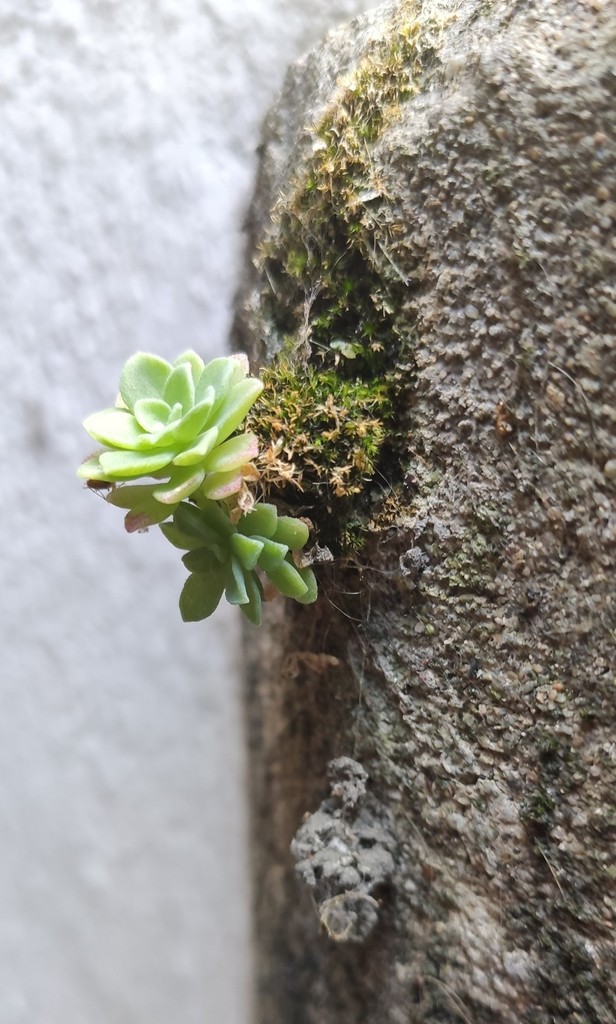
Los Sedums son suculentas increíblemente resistentes que prosperan en lugares soleados con tierra que drene bien. Vienen en muchas formas, desde cubiertas de suelo de bajo crecimiento hasta variedades erguidas. Estas plantas son perfectas para principiantes porque toleran bastante bien el abandono.
De un vistazo
- Care level
- Easy
- Plant type
- Planta perenne suculenta
- Light
- Pleno sol
- Indoor light
- direct
- Water
- Every 14 to 30 days
- Mature size
- 60 cm
- Growth rate
- medium
- Hardiness
- USDA 3 to 9
- Bloom time
- Mediados de verano hasta principios de otoño
Cuidados
Planta estos en un lugar con mucho sol y tierra arenosa y de drenaje rápido. Riega solo cuando la tierra esté completamente seca para prevenir la pudrición de la raíz. Vigila los tallos blandos, que generalmente significan que la planta está recibiendo demasiada agua.
- Watering
- Deja que la tierra se seque por completo entre riegos.
- Feeding
- Aplica un fertilizante equilibrado y diluido una vez durante la primavera.
- Pruning
- Recorta los tallos muertos a principios de la primavera para fomentar un nuevo crecimiento.
- Repotting
- Trasplanta solo cuando la planta esté demasiado apretada en su maceta.
- Soil
- Arenosa o rocosa, con buen drenaje
- Soil pH
- 6.0 a 7.5
- Temperature
- -20 to 35°C
- Humidity
- 10 to 50%
- Drought tolerance
- high
- Lifespan
- Perennial, typically 5 to 10 years.
- Deer and rabbits
- high
Señales de que necesita trasplante
- Roots growing out of the drainage holes.
- The plant has stopped growing during the active season.
- Water runs straight through the pot without soaking in.
Seguridad
- People
- Most sedum species are considered mildly toxic if ingested in large quantities.
- Pets
- Algunas especies pueden causar malestar estomacal leve si las mascotas las ingieren.
- Children
- Keep these plants away from small children as ingestion can lead to nausea or vomiting.
- Contact allergens
- The sap of certain sedum species can cause mild skin irritation in sensitive individuals.
- Airborne allergens
- There are no significant reports of respiratory allergies associated with this plant.
- Edibility
- While some species are edible, many sedums contain alkaloids that can cause stomach upset and should be avoided.
Cómo identificarla
- Hojas carnosas que almacenan agua
- Flores en forma de estrella en racimos
- Hábito de crecimiento bajo o erguido
- Follaje a menudo tolerante a la sequía
- Height
- 0.05 to 0.6m
- Spread
- 0.15 to 0.6m
- Leaves
- verde, verde azulado, púrpura, variegado, caducifolio
- Flowers
- rosa, amarillo, blanco, rojo, 0.5 to 1.5cm
Problemas frecuentes
- Root rot — This occurs when the soil stays too wet for too long, causing the roots to decay.
- Mealybugs — These small, white, fuzzy insects suck sap from the leaves and stems.
Cómo cultivarla
- Propagation
- esquejes, división, semilla
- When to plant
- primavera, otoño
- Overwintering
- Most sedums are hardy and just need to be kept dry during the winter months. If you live in a very cold climate, ensure the soil is well drained to prevent freezing rot.
- In containers
- Sedums are excellent in containers, provided you use a gritty, fast draining potting mix and a pot with drainage holes.
Stem Cuttings
- Snip a healthy stem piece about 3 inches long.
- Let the cut end callous over for a few days in a dry spot.
- Insert the calloused end into a pot of dry, sandy soil.
- Wait a week before lightly watering to encourage root growth.
Pair sedums with other drought tolerant plants that do not require frequent fertilization or heavy mulch.
Buenas compañeras
- Lavender — Both plants share a love for full sun and well draining soil.
- Thyme — Thyme makes a great low growing partner that thrives in the same dry conditions.
- Coneflower — They provide a nice contrast in height and texture while attracting similar pollinators.
Especies parecidas
- Sempervivum — These are also succulent rosettes that thrive in similar rocky conditions.
- Echeveria — They share a similar fleshy leaf structure but are generally less cold hardy.
Ciencia
- Family
- Crassulaceae
- Genus
- Sedum
- Order
- Saxifragales
- Class
- Magnoliopsida
- Native range
- Widely distributed across the Northern Hemisphere in temperate and mountainous regions.
- Conservation
- Most common garden sedums are not of conservation concern, though some rare native species are protected in specific regions.
Sedums survive in harsh environments by storing water in their fleshy leaves to endure long dry spells.
- Value to wildlife
- nectar source, late season food
- Pollinators
- bees, butterflies, moths, beetles
- Uses
- rock gardens, ground cover, container gardening, pollinator borders
A lo largo del año
Indicadores ecológicos
- Salinity
- 3/9
- Soil reaction
- 6/9
- Light
- 8/9
- Temperature
- 5/9
- Moisture
- 2/9
- Nutrients
- 2/9
Taxonomía cotejada con GBIF.
Lo que más preguntan
- Do sedums need a lot of water?
- No, they are succulents and prefer to dry out completely between waterings.
- Can I grow sedum in a pot?
- Yes, they thrive in containers as long as the pot has excellent drainage.
De dónde viene el nombre
The name Sedum comes from the Latin word sedere, which means to sit, referring to how the plants sit on rocks. The common name stonecrop reflects their ability to thrive in rocky, inhospitable ground.
Bueno saberlo
- Sedums are often called stonecrops because they seem to grow on rocks.
- They are incredibly resilient and can survive in very thin, poor soil.
- Many varieties change color in response to cold temperatures or sun exposure.
También en
¿Tu sedum tiene mal aspecto?
Esta página es una guía general. Pocket Botanist diagnostica problemas a partir de una foto de tu propia planta, calcula el riego según tu luz y tus condiciones, y te avisa cuando toca cuidarla.
Esta guía se ha generado con IA y se ha cotejado con la taxonomía de GBIF. Es información general, no asesoramiento botánico ni veterinario. Descubre cómo elaboramos estas guías.