 Pocket Botanist
Guide botanique
Sedum.
Sedum
Prononciation SEE-dum
Aussi appelée Stonecrop, Stonecrops


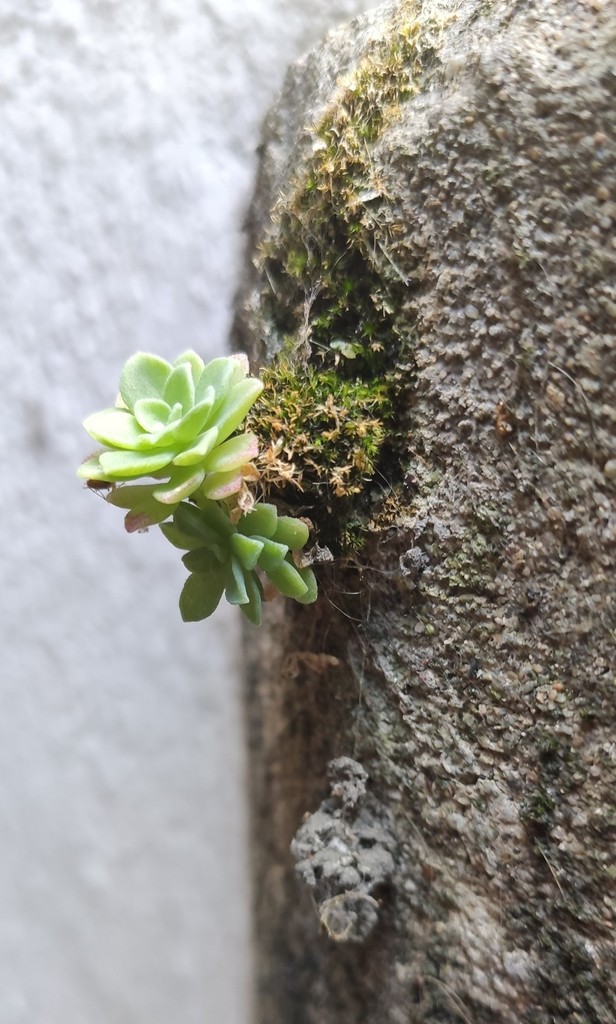
Stonecrops are incredibly resilient succulents that thrive in sunny spots with well draining soil. They come in many forms, ranging from low growing ground covers to upright varieties. These plants are perfect for beginners because they handle neglect quite well.
En un coup d'œil
- Care level
- Easy
- Plant type
- Succulent perennial
- Light
- Full sun
- Indoor light
- direct
- Water
- Every 14 to 30 days
- Mature size
- 60 cm
- Growth rate
- medium
- Hardiness
- USDA 3 to 9
- Bloom time
- Mid summer to early autumn
Entretien
Plant these in a spot with plenty of sun and gritty, fast draining soil. Only water when the soil is completely dry to prevent root rot. Watch for mushy stems, which usually mean the plant is getting too much water.
- Watering
- Allow the soil to dry out completely between waterings.
- Feeding
- Apply a balanced, diluted fertilizer once during the spring.
- Pruning
- Trim back dead stems in early spring to encourage fresh growth.
- Repotting
- Repot only when the plant becomes root bound.
- Soil
- Sandy or rocky, well draining
- Soil pH
- 6.0 to 7.5
- Temperature
- -20 to 35°C
- Humidity
- 10 to 50%
- Drought tolerance
- high
- Lifespan
- Perennial, typically 5 to 10 years.
- Deer and rabbits
- high
Signes qu'il faut rempoter
- Roots growing out of the drainage holes.
- The plant has stopped growing during the active season.
- Water runs straight through the pot without soaking in.
Sécurité
- People
- Most sedum species are considered mildly toxic if ingested in large quantities.
- Pets
- Some species can cause mild stomach upset if ingested by pets.
- Children
- Keep these plants away from small children as ingestion can lead to nausea or vomiting.
- Contact allergens
- The sap of certain sedum species can cause mild skin irritation in sensitive individuals.
- Airborne allergens
- There are no significant reports of respiratory allergies associated with this plant.
- Edibility
- While some species are edible, many sedums contain alkaloids that can cause stomach upset and should be avoided.
Comment l'identifier
- Fleshy, water storing leaves
- Star shaped flowers in clusters
- Low growing or upright habit
- Often drought tolerant foliage
- Height
- 0.05 to 0.6m
- Spread
- 0.15 to 0.6m
- Leaves
- green, blue-green, purple, variegated, deciduous
- Flowers
- pink, yellow, white, red, 0.5 to 1.5cm
Problèmes courants
- Root rot — This occurs when the soil stays too wet for too long, causing the roots to decay.
- Mealybugs — These small, white, fuzzy insects suck sap from the leaves and stems.
La cultiver
- Propagation
- cuttings, division, seed
- When to plant
- spring, autumn
- Overwintering
- Most sedums are hardy and just need to be kept dry during the winter months. If you live in a very cold climate, ensure the soil is well drained to prevent freezing rot.
- In containers
- Sedums are excellent in containers, provided you use a gritty, fast draining potting mix and a pot with drainage holes.
Stem Cuttings
- Snip a healthy stem piece about 3 inches long.
- Let the cut end callous over for a few days in a dry spot.
- Insert the calloused end into a pot of dry, sandy soil.
- Wait a week before lightly watering to encourage root growth.
Pair sedums with other drought tolerant plants that do not require frequent fertilization or heavy mulch.
Bonnes associations
- Lavender — Both plants share a love for full sun and well draining soil.
- Thyme — Thyme makes a great low growing partner that thrives in the same dry conditions.
- Coneflower — They provide a nice contrast in height and texture while attracting similar pollinators.
Espèces similaires
- Sempervivum — These are also succulent rosettes that thrive in similar rocky conditions.
- Echeveria — They share a similar fleshy leaf structure but are generally less cold hardy.
Science
- Family
- Crassulaceae
- Genus
- Sedum
- Order
- Saxifragales
- Class
- Magnoliopsida
- Native range
- Widely distributed across the Northern Hemisphere in temperate and mountainous regions.
- Conservation
- Most common garden sedums are not of conservation concern, though some rare native species are protected in specific regions.
Sedums survive in harsh environments by storing water in their fleshy leaves to endure long dry spells.
- Value to wildlife
- nectar source, late season food
- Pollinators
- bees, butterflies, moths, beetles
- Uses
- rock gardens, ground cover, container gardening, pollinator borders
Au fil des saisons
Repères écologiques
- Salinity
- 3/9
- Soil reaction
- 6/9
- Light
- 8/9
- Temperature
- 5/9
- Moisture
- 2/9
- Nutrients
- 2/9
Taxonomie vérifiée avec le GBIF.
Ce qu'on demande souvent
- Do sedums need a lot of water?
- No, they are succulents and prefer to dry out completely between waterings.
- Can I grow sedum in a pot?
- Yes, they thrive in containers as long as the pot has excellent drainage.
D'où vient le nom
The name Sedum comes from the Latin word sedere, which means to sit, referring to how the plants sit on rocks. The common name stonecrop reflects their ability to thrive in rocky, inhospitable ground.
Bon à savoir
- Sedums are often called stonecrops because they seem to grow on rocks.
- They are incredibly resilient and can survive in very thin, poor soil.
- Many varieties change color in response to cold temperatures or sun exposure.
Aussi dans
Ton sedum a mauvaise mine ?
Cette page est un guide général. Pocket Botanist diagnostique les problèmes directement à partir d'une photo de ta plante, adapte l'arrosage à sa luminosité et te prévient quand il faut t'en occuper.
Ce guide a été généré par IA et vérifié avec la taxonomie du GBIF. Il s'agit d'informations générales, et non de conseils horticoles ou vétérinaires. Découvre comment nous concevons ces guides.