 Pocket Botanist
Plant guide
Sedum.
Sedum
Pronounced SEE-dum
Also known as Stonecrop, Stonecrops



Scan with your phone's camera to get the app
Or go to pocketbotanist.app/get on your phone
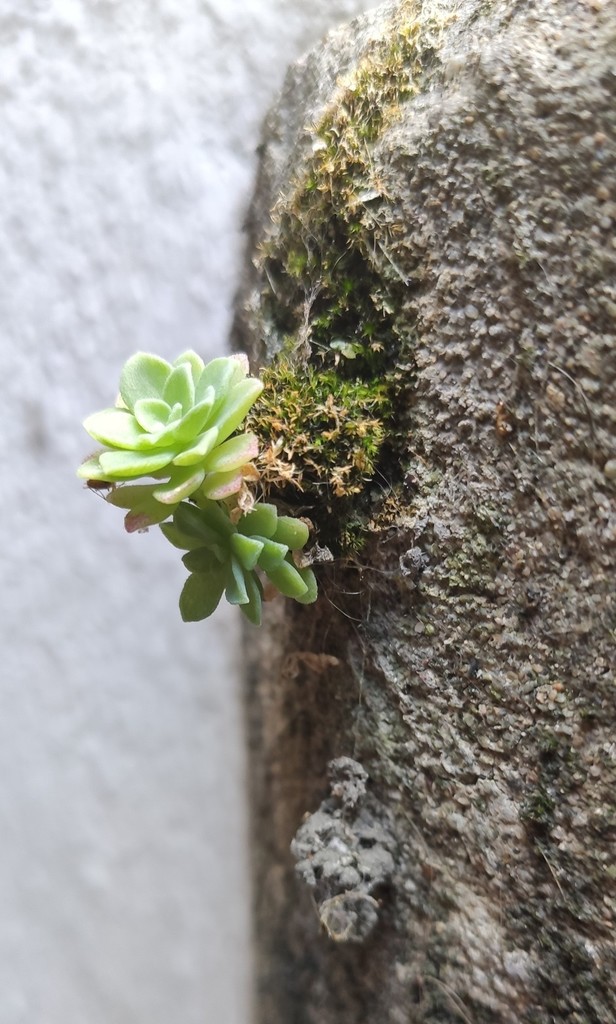
Stonecrops are incredibly resilient succulents that thrive in sunny spots with well draining soil. They come in many forms, ranging from low growing ground covers to upright varieties. These plants are perfect for beginners because they handle neglect quite well.

At a glance
- Care level
- Easy
- Plant type
- Succulent perennial
- Light
- Full sun
- Indoor light
- Direct sun
- Water
- Every 14 to 30 days
- Mature size
- 60 cm
- Growth rate
- Medium
- Hardiness
- USDA 3 to 9
- Bloom time
- Late summer to mid autumn
Care
Plant these in a spot with plenty of sun and gritty, fast draining soil. Only water when the soil is completely dry to prevent root rot. Watch for mushy stems, which usually mean the plant is getting too much water.
- Watering
- Allow the soil to dry out completely between waterings.
- Feeding
- Apply a balanced, diluted fertilizer once during the spring.
- Pruning
- Trim back dead stems in early spring to encourage fresh growth.
- Repotting
- Repot only when the plant becomes root bound.
- Soil
- Sandy or rocky, well draining
- Soil pH
- 6.0 to 7.5
- Temperature
- -40 to 35°C
- Humidity
- 10 to 50%
- Drought tolerance
- High
- Lifespan
- Perennial, typically 5 to 10 years.
- Deer and rabbits
- High
Signs it needs repotting
- Roots growing out of the drainage holes.
- The plant has stopped growing during the active season.
- Water runs straight through the pot without soaking in.
Safety
- People
- Ingestion can cause stomach upset or nausea in humans.
- Pets
- Some species can cause mild stomach upset if ingested by pets.
- Children
- Keep away from young children as the succulent leaves can be a choking hazard if ingested.
- Contact allergens
- Some people may experience mild skin irritation from the sap.
- Airborne allergens
- There is no significant risk of airborne allergies.
- Edibility
- Many species are considered mildly toxic and should not be consumed.
How to identify it
- Fleshy, water storing leaves
- Star shaped flowers in clusters
- Low growing or upright habit
- Often drought tolerant foliage
- Height
- 0.05 to 0.6m
- Spread
- 0.15 to 0.6m
- Leaves
- green, blue-green, purple, variegated, succulent
- Flowers
- pink, red, white, yellow, 0.5 to 1.5cm
Problems to watch for
Check your sedum from a photo
Pocket Botanist looks at a photo of your plant and tells you what's wrong and what to try first.
Scan with your phone's camera to get the app
Or go to pocketbotanist.app/get on your phone
Growing it
- Propagation
- division, cuttings, seed
- When to plant
- spring, early autumn
- Overwintering
- Most sedums are hardy and just need to be kept dry during the winter months. If you live in a very cold climate, ensure the soil is well drained to prevent freezing rot.
- In containers
- Sedums are excellent in containers, provided you use a gritty, fast draining potting mix and a pot with drainage holes.
Stem Cuttings
- Snip a healthy stem piece about 3 inches long.
- Let the cut end callous over for a few days in a dry spot.
- Insert the calloused end into a pot of dry, sandy soil.
- Wait a week before lightly watering to encourage root growth.
Pair sedums with other drought tolerant plants to ensure they do not get overwatered.
Grows well with
- Lavender · They share similar requirements for sun and well draining soil.
- Thyme · Both are low growing and drought tolerant.
Similar species
- Sempervivum · They share a similar succulent habit and love for rocky soil.
Science
- Family
- Crassulaceae
- Genus
- Sedum
- Order
- Saxifragales
- Class
- Magnoliopsida
- Native range
- Northern Hemisphere temperate regions
- Conservation
- Most common garden varieties are not of conservation concern.
They thrive in nutrient poor, rocky soils where other plants struggle to survive.
- Value to wildlife
- nectar source, late season food
- Pollinators
- bees, butterflies, moths
- Uses
- rock gardens, ground cover, container plants, pollinator gardens
Through the year
Ecological indicators
- Salinity
- 3/9
- Soil reaction
- 6/9
- Light
- 8/9
- Temperature
- 5/9
- Moisture
- 2/9
- Nutrients
- 2/9
Taxonomy resolved against GBIF.
Questions people ask
- How often should I water my sedum?
- Only water when the soil has dried out completely.
- Do they need full sun?
- Yes, most varieties perform best with at least six hours of direct sunlight.
Where the name comes from
The name comes from the Latin word sedere, meaning to sit, referring to how the plants sit on rocks.
Good to know
- Sedum is often called stonecrop because it grows in rocky places.
- They use a special type of photosynthesis called CAM to save water.
- These plants are incredibly easy to propagate from a single leaf.
- They provide vital late season nectar when other flowers have faded.
Also in
Keep your sedum growing
This page is a general guide. Save your plant in Pocket Botanist and you get care reminders timed for this plant, plus a care history that shows what worked.
Scan with your phone's camera to get the app
Or go to pocketbotanist.app/get on your phone
This guide was generated with AI on and checked against GBIF taxonomy. It is general information, not horticultural or veterinary advice. Read about how we build these guides.