 Pocket Botanist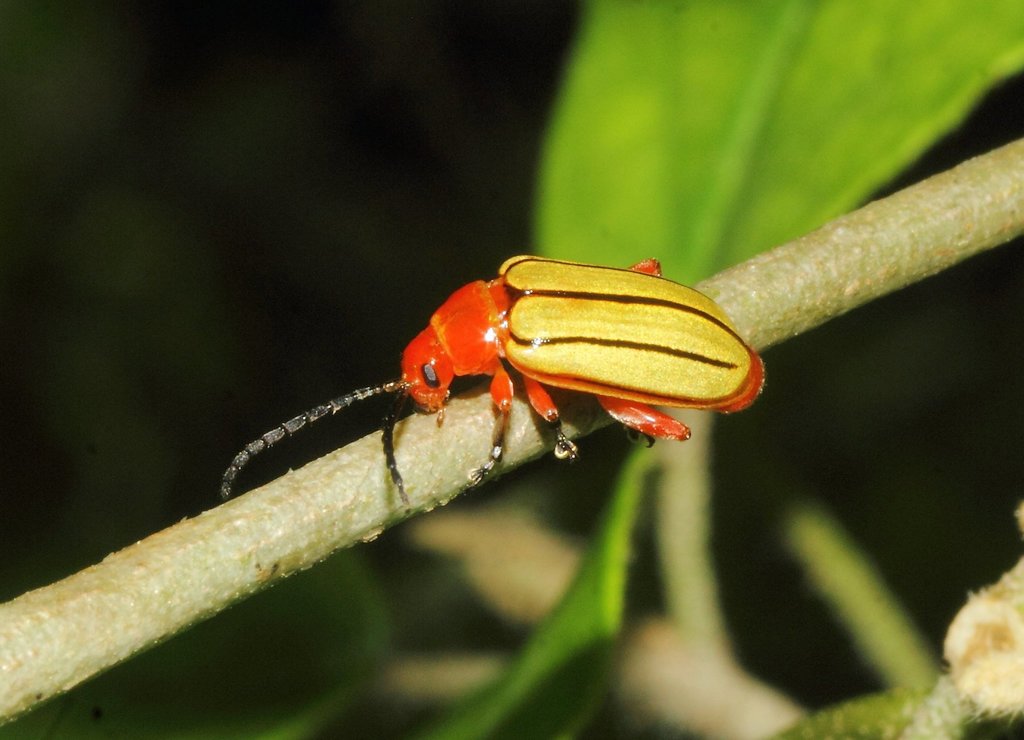
Symptoms by part
Leaves
Small, circular holes that look like someone used a tiny hole puncher, often referred to as shothole damage.
Causes
- Warm, dry weather conditions.
- Presence of crop debris or weeds from the previous season where adults overwintered.
- Young, tender seedlings that lack the tough foliage of mature plants.
Could be confused with
- Slugs and Snails · Slugs leave behind slimy trails and typically eat large, irregular chunks from the edges of leaves rather than small, uniform holes.
- Fungal Leaf Spot · Leaf spots usually have a distinct border or halo and are caused by pathogens, whereas flea beetle damage is strictly mechanical with no discoloration around the hole.
Treatment
- Cover young seedlings immediately with lightweight horticultural fleece or fine mesh row covers to physically block the beetles.
- Place yellow sticky traps near the base of the plants to capture jumping adults.
- Apply spinosad to the foliage in the early evening when the beetles are most active, follow the label.
Without chemicals
- Use floating row covers to exclude the pests from the start.
- Plant trap crops like radishes nearby to lure the beetles away from your main crop.
- Keep the soil moist, as flea beetles prefer dry conditions.
- Remove weeds and garden debris in the fall to eliminate overwintering sites.
Chemical options
- Spinosad, spray directly on the leaves during the evening, follow the label.
Preventing it
- Rotate crops each year to prevent the buildup of beetle populations in one spot.
- Delay planting until the soil warms up and plants can grow quickly past the vulnerable seedling stage.
- Use mulch to keep the soil surface cool and moist.
- Clear away all plant debris at the end of the season.
Season
The warm growing season, particularly during the spring when seedlings are just emerging.
Spread risk
Moderate
Severity
Moderate
When to act
Take action as soon as you notice the first small holes on your seedlings. If the entire plant is defoliated and growth has stopped, it is best to remove the plant and start over with fresh seeds or transplants.
Think it's Flea Beetles?
This guide covers the general picture. Pocket Botanist looks at your actual plant from a photo and tells you what's really going on, how serious it is, and what to try first. Identification and a health check are free.


Questions people ask
- Will my plants recover from flea beetle damage?
- Yes, if the plants are established and the damage is minor, they will likely grow out of it as the leaves toughen up.
- Do flea beetles bite humans?
- No, they are strictly plant eaters and do not bite or harm people or pets.
- Why are they called flea beetles?
- They are named for their enlarged hind legs, which allow them to jump away quickly like a flea when disturbed.
Plants it affects
This guide was generated with AI and is general information, not horticultural advice. Read about how we build these guides.